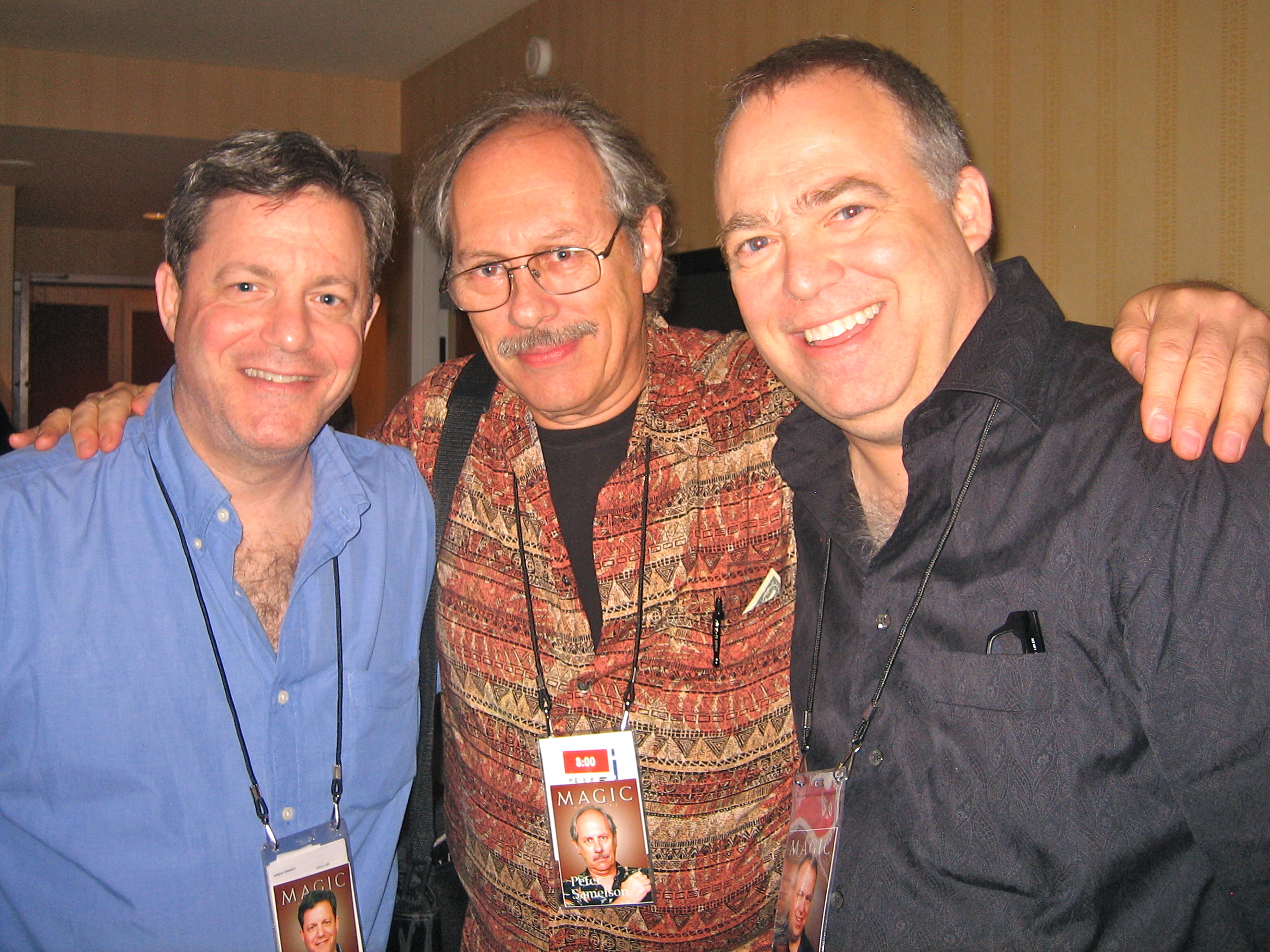
The always innovative Peter Samelson.

•May 30, 2013 • Leave a Comment

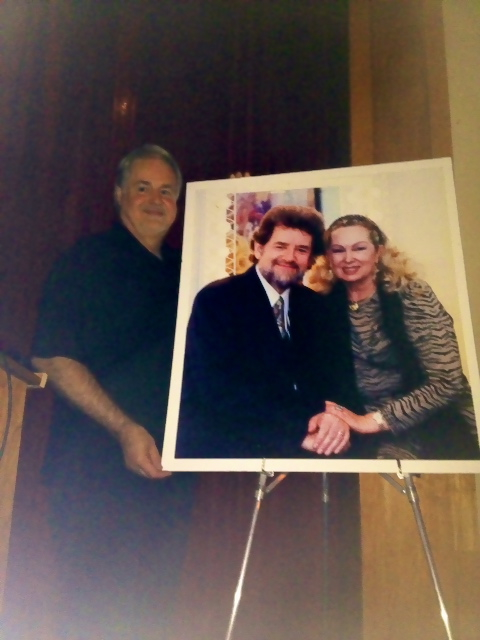
Peter SamelsonThe first time I worked with Peter was probably thirty five years ago when he was the host of a television show filmed at the Magic Cellar in San Francisco. The show aired on PBS and was called ‘Magic, Magic, Magic.’ I really don’t remember much about the material Peter performed during that taping. I do remember that he performed all the magic wearing a pair of white gloves that gave him a most distinctive appearance. I also remember being very impressed with the unusual and thoughtful presentation of the various effects he used.

Thirty odd years later I was once again highly appreciative of his carefully planned and presented magic when we worked together on the East Coast.. The theatrical spirit that Samelson infuses into his work is individual and highly effective. Peter performed some very strong magic that he made all his own by adding this secret ingredient. All the effects featured in Peter’s show were treated like minor theatrical presentations. Each one was a self-contained three-act play that had an emotional arc and a specific mood. Best of all there wasn’t any evidence of that kind of thinking worn on his sleeve to be admired by the audience. It was rather subtle and all the more powerful for being so.

I suspect that the Snowstorm In China is the single most overexposed trick in magic at this time and has been turned into a sentimental exercise by many magicians.IMG_7906 These performers should all sit down and watch the way Peter achieves the reaction that they are working for. He doesn’t do it by using enough extra paper to constitute an ecological disaster or enough saccharin to raise your blood sugar level. He does it with something you don’t see enough of in the magic world; a little bit of good acting! Bravo.

If space permitted I would like to tell you about his handling of the Mutilated Parasol and the Gypsy Thread, as they were superb. However Peter can be seen frequently in “Monday Night Magic” which is New York’s longest running Off-Broadway magic show. If you are visiting the Big Apple why not do yourself a favor and catch him live. The ticket information for Monday Night Magic is available through their website www.mondaynightmagic.com

For me the weekly magic show they provide is one of the best to be found.

Nelson Riddle and the Kid.

•May 29, 2013 • Leave a Comment

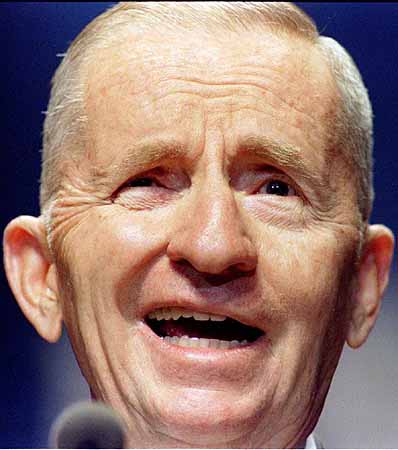
Ross PerotDuring all my years performing magic only once did I think about giving it up and doing something different. It happened back in the  ‘70’s in California when I got to work with a musical hero of mine. A call from the Magic Castle put me in touch with a producer from Pacific Palisades. Getting a referral call from the Castle was like Forrest Gump’s box of chocolates, you never knew what you were getting!  The only thing you did know was that Jean had quoted a fee. Jean Cantor was the dynamo at the center of the Castle who kept things hopping. She always quoted a two hundred dollar fee. It didn’t matter whether it was for performing a full illusion show for a thousand people in a ballroom or doing card tricks in a restaurant! The fee was always the same two hundred dollars.

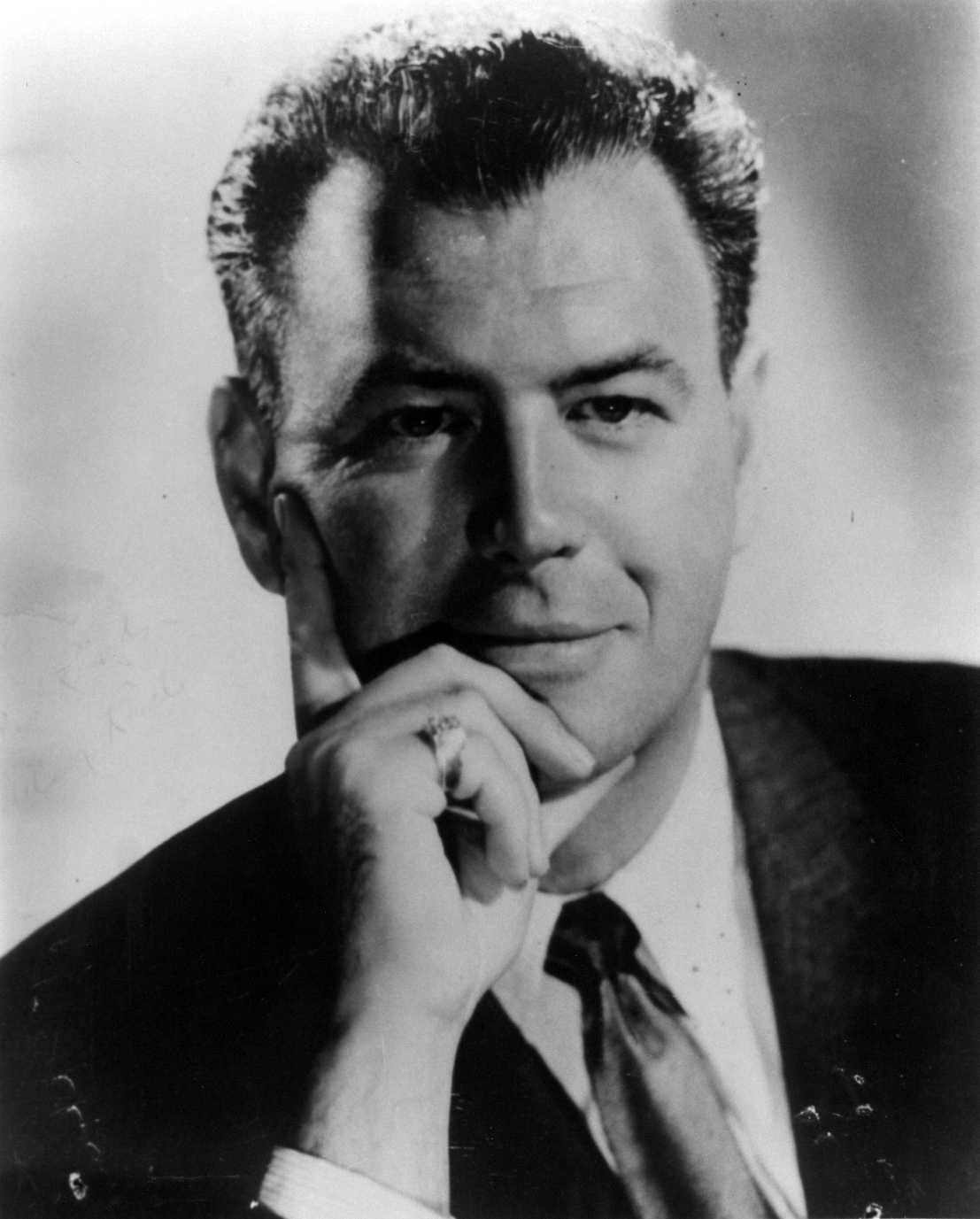
Billionaire Ross Perot was throwing a huge banquet for returned prisoners of war from the war in Vietnam. Hosted by Ronald Reagan, the evening featured an after-dinner show starring Carol Burnett, Edgar Bergen, Sammy Davis Jr. and Tony Bennet. The musical director was Nelson Riddle with his forty-two-piece orchestra. Someone had decided an unknown English magician would be the perfect item to complete this extravaganza. Maybe it was the $200 fee! The most intimidating part for me was doing a band rehearsal with the great Nelson Riddle. I was a huge fan of Mr. Riddle’s awesome orchestral arrangements. For me, Irish singer Van Morrison expressed it best when he sang,  “When Frank Sinatra sings, against Nelson riddle strings take a vacation.” There is just something in the Morrison sings it that says it all.

On the afternoon of the show when the time came for my band call I walked onstage trying to look like this was an everyday occurrence. Mr. Riddle was seated on a

Nelsonpiano stool in front of what seemed like an endless orchestra. In my hand were my band parts.  I had always been very proud of the jazzy arrangement of “Rule Britannia” that had been written for my by the bandleader from a cruise ship.  There were band parts for twelve instruments some of which I had never even heard. Looking at the gigantic orchestra they suddenly seemed very inadequate.

“Mr. Riddle….” I began.

“Call me Nelson.” He replied.  I appreciated his gesture but in honesty it had taken all my nerve just to call him Mr. Riddle.  Nelson looked at my meager stack of music, smiled and said:  “Nick, unless it is very important to you, if it’s just intro and bows music maybe you can leave it to me.” He said with a friendly grin. “I am sure I can come up with something for the band.”  I agreed gladly and that was the end of my band call.

That night prior to showtime while standing in the wings I wondered for the first time about what my intro music. This was the summer of “Star Wars” in Los Angeles the movie was everywhere; the characters, actors, images and particularly that wonderful soundtrack by John Williams.  That is what I heard following my introduction. Nelson Riddle and his entire ensemble broke into the fanfare from Star Wars. “DA DA DADA DA  DAAAAH DA….”  Every single one of those forty-two musicians playing their hearts out, strings were soaring, timpani booming, horns blaring and best of all there was ‘Nelson’ on the keyboard keeping it all together. For a moment it ran through my mind that I should just not bother walking out onstage, quit right there on top of the mountain.  Then I took a deep breath and walked out on to the stage.

Saturday Morning Specials.

•May 27, 2013 • 6 Comments

davenportsThe more I write about magic the clearer it becomes to me that in many ways it‘s the role of the Magic Store that fascinates me the most. Judging from the responses to my articles it seems that many of my readers also have many of their favorite memories carefully polished and centered on this same topic.  I want to explore this area a little more fully because in the age of Internet shopping it seems to me we are at a crossroads and the honest to God magic shop is in danger of vanishing and if this happens we will have lost something very special

The very first magic shop I spent my pocket money in was a tiny, crowded magic oasis on the Tottenham Court Road in the very heart of London’s West End. It was here I made the mistakes we all make in our early purchases!  Gradually the gentleman behind the counter started to educate my fledgling taste.  The name of my first Saturday morning tutor was Jon Tremaine and he began the lifelong process of finding a trick you can truly make your own.

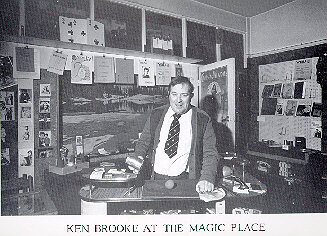
To my delight I discovered that another magic shop called Davenport’s existed about five minutes walk from the Tottenham Court Road.  This was like trading up from a Honda Civic to a Jaguar; much more space and way better equipped! It was here that Pat Page showed me that it wasn’t just the trick that mattered but what you did with it. To spend a morning watching Pat entertain his Saturday morning regulars was an education all its own. Next I discovered Ken Brooke and his Magic Place. I have written quite extensively about Ken and all I learned from him. Suffice to say it was here I learned the skills that really helped launch me into my career in magic.

Upon arriving in Los Angeles there were two major choices when buying magic: ‘Hollywood Magic’ and Joe Berg’s store and of the two I infinitely preferred to visit Joe’s store, Here there was the additional benefit that if you hung around until Jules Lenier’s break you could accompany him to the coffee shop around the corner on Vine Street and talk magic with him drinking endless cups of black coffee, while Jules ate English muffins smothered in butter and sprinkled with salt.

Needless to say there were many other magic stores that I’ve enjoyed visiting over the years. When I was working in Chicago it was worth an extra day on my Ken Brookeschedule to fit in a visit with Jay Marshall. Jay had a way of quietly passing on information that was as wonderful, quirky and unique as the man himself. I never once left Magic Inc. without at least one cool trick to add to my repertoire.  How I wish I had had a chance to spend my teenage years with Jay as a teacher: would I have traded it for the wisdom and help I received from Billy McComb and Ken Brooke in those same years?  No, but Jay is the only magician I have ever met who could take a trick McComb performed and improve it. ‘Nuff said.

Much of the best fun I have had in the magic world has occurred lounging around magic stores on a Saturday morning with the locals gathered to trade stories and tricks and the proprietor tried to balance making a living and making a magician. There is a very special fellowship about these shops that can never be replaced by ordering on the Internet. Convenient as virtual shopping on the Web is, there must always be room for the real thing. Support your local magic shop or it may disappear into some cosmic Toppit. In the words of Joni Mitchell “You never know what you’ve got till it’s gone.”

Reveen Remembered.

•May 24, 2013 • 4 Comments

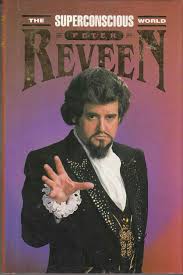
ReveenIt is quite an amazing phenomena the impact that Peter Reveen created in people’s lives. He touched a great many people in a great many ways. The Celebration of Life—Memorial Service that was held for Peter on May 18th brought together a large group of people whose lives had been changed and improved by their contact with this master showman. Reveen had the capacity, and heart, to make everyone feel special–it was always personal with Peter.

The celebration was lovingly organized by Bill Smith and took place at the Desert Willow Golf Course/Sun City in Henderson, Nevada. Bill began his long friendship and association with Peter, when he traveled to Sacramento with fellow Long Beach Mystics Les Arnold and Stan Allen in 1974 to watch him perform. Bill went on to build many of Peter’s classic illusions, including creating a giant hockey puck for Reveen to levitate during a Canadian tour. It must have brought the house down!

Tyrone Reveen acted as MC for the event and introduced the stream of people who were there to pay tribute and homage to his father. The Reveen heritage has landed in safe hands, after memorizing the nearly three hour hypnosis show that his dad made a legend around the world, Tyrone and his beautiful daughter Morea are now bringing it to a whole new generation. How proud it must make Coral to know that the ‘Superconscious Experience’ is still continuing in the hands of the Reveen family.

The ceremony began with a short prayer by Pastor Terry, then after a video overview of Reveen through the ages were a series of Bill Smith: Reveenheartfelt speeches. The speakers paying tribute to Peter included Bill Smith, Tommy Lang, Dante Larsen, Ralph Craig, Anthony Cools, Bob Brown, Charlie Frye, Amazing Johnathan, Diana Zimmerman, Bob Curtola and Jeff McBride. Each had a story to tell about the friendship and inspiration that Peter had extended to them. Several were very open in expressing their belief that Peter had quite literally saved their lives. The tribute began with Geary Rindels reading a message from television legend Chris Bearde and also included video messages from Jeff Hobson and Fielding West.
There were two songs rendered to great reaction by cantor Phil Goldstein, ‘Wind Beneath My Wings’ and ‘Lord Raise Me Up.’ Cantor Goldstein assured us that his real name was Max Maven! The occasion was also used for John McClenahan from the IBM Fantasma Ring 257 to perform a simple and moving Broken Wand ceremony. Always supportive of magic, Peter was a member of the IBM, SAM, Magic Circle and Magic Castle. Also, he was an avid Mason, Shriner and member of Variety Club.

The Las Vegas magic scene was represented by some of the finest talent in the industry including; Lance Burton, Siegfried Fischbacher, Stan and Rhonda Allen, Norm and Lupe Nielsen, Johnny and Pam Thompson, Mr. Tihany, Bob Rossi, Luna Shimada, Mike Douglas, Mac King, Sonny Fontana, James Dimmere, Jason Byrne, Juliana Chen, Ariann Black, Jason Andrews, Winston O’Rourke, Paul Stone, Gabrielle Lyster, Tyler and Mistie Knight and a host of others. Bob Brown and Jay Alexander flew in from Sacramento and San Francisco respectively for the celebration.

ReveenThe long and warm relationship between Reveen and the Magic Castle was very apparent with Irene, Erika, Dante, Lily Larsen and Joan Lawton all present for the occasion. There were many entertaining stories about the tight bond between Peter and Castle founder William Larsen Jr. Many of us first met Peter through the Magic Castle.

Approximately 300 people attended the celebration and were seated at tables of ten. Wine, beer and a delicious buffet were served to all present and the event closed with a series of long streamers being fired over the audience. The streamers were a nice touch that would have delighted the master showman himself.  Attending the event, were Peter’s wife and partner of 54 years Coral and their four sons Wayne, Tyrone, Calvin and Peter Jr. and daughter in laws Lisa Marie and Cathy. Reveen’s six grandchildren; Alexander, Morea, Carson, Candace, Cody and Taj were in attendance. Morea and Taj each gave heartfelt speeches expressing their love and devotion to their grandfather.

Peter James Reveen, October 8th 1935, to April 8th 2013.

A master magician, hypnotist, showman, family man, humanitarian and friend to all, whose life was one of the most fascinating stories in show business history. Reveen will be sorely missed by his friends all around the world, from Lance Burton whose career he so skillfully managed, to the magic hobbyist he befriended into at a magic convention. Goodbye old friend!

The Art and Science of Travel and Packing.

•May 21, 2013 • Leave a Comment

McComb @ DeskI remember vividly the time that I saw Billy McComb at his most animated and excited; he had just been to the supermarket and bought a box full of clear plastic, zip lock, baggies. He was practically shaking with delight as he showed them to me. It seemed, even for Billy, rather eccentric to get this excited over little clear sandwich containers, but as usual when I got the actual drift of his thinking I started to share his enthusiasm. He wasn’t planning on taking along a ham and cheese sandwich to his next gig but had a loftier vision.

Before long Billy had all the items from his vast working repertoire contained in different sized, heavy weight baggies. Each trick was carefully packed inside its own baggie, with every item needed for the performance contained within it. On the outside of each bag was written in felt-tip pen the name of the trick inside the bag.

The main advantage of this method was of course that you didn’t arrive at your gig and find that a reel, pen, thumb tip or handkerchief that was vital to the effect was missing. In fact better still you could survey the contents of each bag without even opening it and double check that all the replaceable items, for example; thread, flashpaper, envelopes etc. had in fact been replaced.

It was such a simple and effective idea that only a genius like McComb could have developed it. Of course, being Billy, he did get a little carried away and he NL PsyRoyal cover-1extended the idea to coffee shop items. He almost always had a baggie full of miniature containers of sugar, creamer, tea bags etc. in his pocket somewhere.

On one of my very first meetings with Billy at a very youthful age, he showed me the old trick where you appear to stick a coin on your forehead and when you remove it and hand it to the spectator to duplicate your action, there is a blood red nail sticking out the back. It wasn’t the trick that Billy seemed to enjoy so much as the fact that he had fashioned a cork with a hole in it that fitted the gimmicked half crown and made it a considerably easier and safer prop to carry around in your pocket. He gave me the faked coin in its cork as a present. I didn’t realize it at the time but this was to be one of my first lessons in the art and science of packing and handling props.

I remember being highly impressed when I observed how legendary magician Piet Paulo managed to keep his working shoes ‘unscuffed’ and polished on the road by keeping them inside old socks. Simple and easy and something I do every time I pack my suitcase. The shoes packed out with black socks and delicate props from the show.

I have taken these two ideas and combined them into my current system, which involves keeping all my props inside Crown Royal bags. Of course everything looks like everything else and it isn’t half as practical as the baggie system—-however I just love those purple bags!

Needless to say I have many other wrinkles and tips I have learned over the years, if you have an interest I am happy to share them. In fact I have an entry in my blog somewhere entitled ‘Travel Tips’ that lists some of them– including my ultimate TSA deterrent. Not for the faint of heart!

‘Psychometry Royale’ is my handling and work on Fogel’s ‘Second Spot.’ It is a killer light hearted mentalism tinged effect and is available in the online store at my website. www.nicklewin.com

A little about time and timing.

•May 19, 2013 • 4 Comments

Here is a classic column from the backfiles…..

Nick & FinneyI am still working away here in Arizona, just over half way through an extended series of shows and I wanted to write briefly about something we don’t seem to talk often enough about in our magic books, the art and length of the show itself.

I am currently performing 75-minute shows once or twice each day. One has to pace oneself very differently for various kinds of show lengths. By most standards 75 minutes is a pretty long show. Last night I watched Michael Finney perform a killer 13-minute set at a local Casino and it got me thinking about what the difference is that a performer has to think about when faced with different lengths of performances.

I remember when I used to perform at the Magic Castle 15-20 minutes was the performance time needed, and looking back it was a very satisfactory length of time to pace a show. In the Casino last night Michael had to win over that crowd instantly and then keep them with a show that never let down the impact. Without ever appearing rushed or tight on time he achieved his goal effortlessly. It was a joy to watch.

With a 75-minute set you have to win over the crowd just as quickly but then find a way to vary the pace so that you don’t exhaust yourself or burn out the audience. I have been achieving this by doing a non-stop 30 minutes up front in my show, then slowing down the pace a little before putting the heat on for the last 15 minutes.

I have never done an 8-minute manipulative or dove act but obviously an entirely different kind of dynamic is at work. My friend Jason Andrews performs an 8½ Jason Andrewsminute show that suspends time in mid-air somewhere along with the audience disbelief. I can honestly say that the toughest shows for me to perform were when I played briefly in ‘V: the Ultimate Variety Show,’ in Las Vegas. My allotted time was ten minutes and I found it very hard to achieve the momentum needed to achieve maximum impact. I was just getting into the zone and the show was done! After a couple of shows it became easier to pace things.

There is a very different set of tactics necessary for all these different time goals. The secret is that just as you should never appear to be rushing through a ‘short’ set you must never seem to be ‘dragging out’ a longer show. This may be the secret, however achieving it is another story. You need to subconsciously plan an arc and make a mental graph of how your performance is going to be timed and delivered.

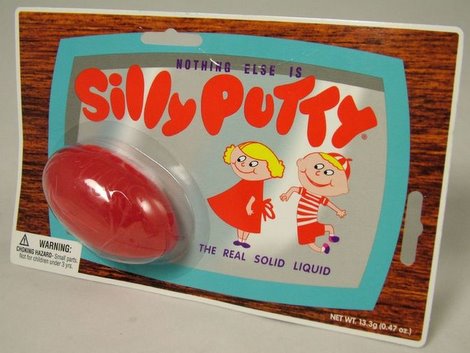
There is little or no chance of achieving success in a shorter show while ad-libbing or being too spontaneous. Just as in a longer show, any appearance of trying to ‘get time’ out of a bit, is likely to slow down your momentum and audience reaction. All to often, I listen to performers talk about how long they can ‘milk a trick.’ This is a very incorrect way to go about the business of entertaining an audience. Rather than ‘milking’ a piece, maybe you need to put in a couple of extra shorter segments. Unless you live on a farm don’t ever think of milking anything and unless you have an elastic band or Silly Putty in your hands don’t dwell on stretching anything either.

silly-putty1An extension of this concept is the even more dangerous approach of allowing the size or cost of a trick to influence the way it inhabits the ‘real estate’ of your show. Audiences don’t feel that way about it that way at all. Although it is a highly subjective area, what is needed is the ability to look on each segment of each show as an energy exchange with your audience. Nothing can be taken for granted in this department and that is why it is generally easier to fill a relatively easy space of time such as 20-25 minutes and you don’t have to tackle this kind of problem until you have a better idea of the strengths and weakness of your performance ingredients.

Each performers differences are totally his own to explore and develop but the glue that keeps them together is composed of a very subtle blend of texture, shading, dynamics and variety. The ability to jump nimbly from one length of show to another is a key one for most comedic performers to ensure that they keep their datebooks filled and the checks coming in.

While it is certainly a good guideline to fully develop and realize your personality or ‘character’ as a performer, it is sometimes easy to let the matter rest there, before you understand that this character needs to be fine tuned not just to the needs of the material you are performing but also to the audiences; size, attention span and general characteristics. I have heard many a performer talk blatant rubbish about what is or isn’t correct for his ‘character’ (which should of course be an idealized version of his own personality) as if this is the key factor in determining his audience impact.

Texture, shading, dynamics and variety will take you much further.

Agents and managers and heroes and villains.

•May 17, 2013 • Leave a Comment

In a recent blog I wrote some general thoughts on the various people you will work with as your career develops. I got some great responses from readers about my very simplified primer on this subject matter. This week I thought I would look at the general topic again from a less objective and more existential viewpoint.

Nick The very first manager I worked with was a genial and smart man who was known as ‘JP’ to all his clients and friends. He received my press kit in the mail and was impressed that I had performed for members of the British Royal family. He saw this as a great selling point and it became an even bigger feature in my next press kit. From 4-7 pm from Monday to Friday, ‘JP’ and his current group of confidants assembled in the bar of the French restaurant ‘Maison Gerard’ nestled in the shadow of Universal Studios. A lot of really great people were part of this floating ‘happy hour’ party and a lot of good business took place during these nightly sessions. I was pleased to discover that my new manager was improving my bookings substantially during this period. Yay.

Eventually the work slowed down, and my final gift from JP was in 1977 when he sold a murder mystery book I had co-edited called ‘Sleight of Crime.’  It turned out to be the start of a new career for ‘JP,’ he moved to Chicago and became a very serious literary agent. He was a natural in the literary world and went on to sell many books and screenplays.

Many years later, I happened to meet up with one of my fellow acts from ‘JP’s’ old client list, and they passed on his current phone number. When I phoned up ‘JP’ to say hi, he casually mentioned that during my years with him as a client his business had been a front for the CIA, who were utilizing him to spearhead an investigation into organized crime. Hmmm, who knew!

My next management experience was a big time deal, I was the ‘pocket client’ to a manager in one of Hollywood’s top companies. Other clients included Linda Nick LewinEvans, William Shatner and Joan Collins. The Management contract netted me a great deal of money and introduced me to a strong publicist who did a great deal to promote my career. This was when my television career really took of. The entire thing went to hell when my manager took my best friends live-in girlfriend out for breakfast and then by evening she had moved in with him. I ended up loosing both a best friend and a great manager. Grrrr.

At a later time I experimented with hiring a publicist and an entertainment attorney to handle my career. This worked quite nicely but ultimately I needed an agency to bring in more leads. At this point I had a pretty high profile from my television dates and I signed with ICM, which was one of the two giant entertainment agencies. It should have worked great, however I quickly wished my friends girlfriend had moved in with my agent instead of my manager.

I can’t really say that ICM did anything much for me during our two-year contract, in fact I later discovered they had refused to consider or negotiate dates for me that I would have said yes to in a heartbeat. One thing that my responsible agent did do was to hook me up with my next manager. The new manager was the man who had represented Harry Blackstone Jr. and the idea was that we would continue along the agent/manager path that they had used to sell Harry. Hmmm, it didn’t turn out that way.

Outlaw I later discovered that the manager they had paired me with was worth less than zero to my career. He was charming, chatty and British—-wait a minute, that’s what I brought to the deal! Years later I discovered that I had been thrown to this particular manager because he had set up a deal for cheap roofing for three of the agents at ICM. Bastards.

I have also tried working with small boutique agencies, which in my case seemed to work out the very best. I think I can honestly say, I tried almost every variation that a resourceful performer could imagine. Sometimes it worked well, sometimes it didn’t—the one thing I am convinced of is that it is the performer who needs to keep the ultimate overview needed for his career to flourish.

If the performer has a vision for the future, he needs to hire the people who can make it happen. Never forget that it is the performer who does the hiring; agents and managers like to make it appear that the reverse is true—it is not. The buck stops with the performer……

To get the first information on my upcoming magic releases, check out my website www.nicklewin.com and the pages on my blog www.remarkablemagic.com

Jules Lenier. The Master of Keeping it Real,

•May 14, 2013 • 4 Comments

One of my very favorite magicians from the Magic Castle is Jules Lenier. To call Jules a magician though is to sell him short. Jules was a very dear friend of mine and I really miss him. This is an article that I wrote about him before he passed on.

Jules Lenier Jules started out in New York as a comedy writer. One of my favorite stories about Jules is how in his early starving artist days he used to go out for breakfast with his equally hungry and cash free friend comedian Jackie Mason. Pretending not to know each other, they would walk into a deli separately and sit next to each other at the counter. One would eat a hearty breakfast and the other would eat rye toast and coffee. The checks would somehow get confused and the hearty eater would depart paying the coffee and toast check. The person left behind would quite rightly argue that he hadn’t eaten the gigantic breakfast listed on his bill and insist on an accurate check. This whole routine would then be repeated at another deli! I loved that story every time I heard it and usually believed it.

The Jules I want to tell you about is the mentalist and close-up magician. Jules could use the fewest props imaginable and create an effect that stayed with you forever. With just one sheet of writing paper and a pen Jules created the ultimate one ahead mind reading effect. Direct, simple and the closest thing to actual mindreading you have ever seen, a masterpiece of magic. If you don’t believe me then look it up and then try it out. I am sure Joe Stevens has a box with a camera in it that would achieve the same effect but it will cost thousands of dollars and look like a box that probably has a camera in it!  Jules Lenier with a sheet of paper would have  made a believer out of you.

The high respect I hold for Jules’ mentalism is equaled by my regard for his close up magic. A deck of cards and a few silver dollars creates more magic than an jules lenieraudience can handle! His four coins across is a lesson in magic that should be studied closely as it achieves more in minutes than an hours worth of fiddling around. Some close up magicians fool themselves more than the audience So many brilliant coin workers leave the audience aware when something happened but not always what happened. What matters is what the audience see and believe happens.

Last time I saw Jules he was reading Tarot cards for a living. It was the same old story; he was so darn convincing and effortless that the whole thing just had to be real. In the case of Jules it just might be. I hosted a Houdini séance at the Castle in the late seventies for some high executives from Citibank. They were enjoying an evening at the Castle with their spouses and work mates. After the meal the curtain opened and there was Jules our medium for the evening. Now I could be wrong but I do believe our medium had imbibed a touch of the more earthly spirits.

Jules gave a psychic demonstration that was amazing. He read minds, he made predictions; he did things that made Max Maven look like a ventriloquist! Unfortunately amongst his predictions he talked about romances and affairs. I didn’t hear about it until the next day from my client but Jules was a little to close to home and a fist fight broke out amongst the executives in the parking lot! Now that’s mind reading…………

IMG_1631

One of the greatest characters I’ve ever been lucky enough to know; you are my hero Jules. You could do it all.


The Great Tommy Cooper

•May 12, 2013 • 2 Comments

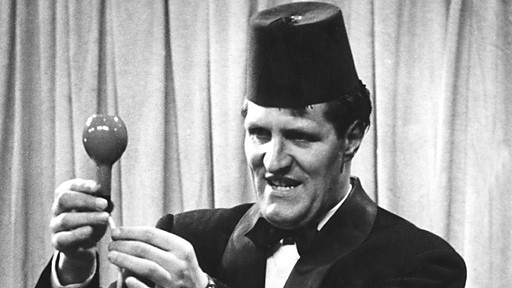
tommy cooperWhen I was growing up in England there were only three magicians that I remember watching on television on a regular basis. They were David Nixon, Robert Harbin and Tommy Cooper. There must have been more but it was these three I remember the most vividly. My personal favorite was Tommy. In fact in England he was practically everyone’s favorite funnyman.

It is sometimes difficult to explain to non-Brits about what a beloved figure Tommy was to the British public. Only Frankie Howard, Tony Hancock and Morecombe & Wise were in the same league. Tommy was one of a handful of performers who could reduce an audience to a fit of laughter without saying a word. He was certainly a huge influence on my career. I only met Tommy once but it is a meeting that has a very special place in my heart. In my early years I spent as much time as I could in ‘Ken Brooke’s Magic Place’ and was lucky enough to get personal tuition from Ken. He charged a guinea (21 shillings) for each half hour lesson. This was a great deal of money to me and I took my lessons very seriously.

Arriving one day in Ken’s studio ready to work on one phase of his Multiplying Martini routine, Ken surprised me by saying that he was working with someone else Tommyon the routine. He asked if it was OK to run our lessons together. I happily agreed and then went about my regular task of fetching tea from the café across the street.When I returned with my tray of milky teas I was shocked and delighted to discover Tommy Cooper standing in the studio talking with Ken. All thoughts of a lesson faded from my mind as I was introduced to Tommy.  After chatting for a few minutes Ken said in his normal brisk manner, “Enough talking, let’s set up the tables and get going.”

Finally the penny dropped and I realized that I was to share a lesson with a legend. For half an hour Ken barked out instructions to us in his normal manner. We followed his instructions as best we could and after thirty minutes Ken told us we were done. Tommy said goodbye and left the studio. I strongly suspect that Ken had deliberately arranged the event to give me a special treat. If this was the case then he certainly succeeded and to this day it remains one of the most special half hours of my life.

I have a great clip of Tommy Cooper on my website if you want to follow this link http://lewinenterprises.weebly.com/fun-videos.html

People you will do business with if your magic career does well…….

•May 10, 2013 • Leave a Comment

Here is a brief primer on some of the useful, not so useful, necessary and not so necessary people you will meet up with as your career moves along in the entertainment world. It is often easy to forget exactly who does what and who does not. Sound a little nebulous so far? Good—it usually is! Everything in this little article is liable to vary dramatically from performer to performer in the various situations in which they find themselves. Therefore a few definitions are in order:

Agent Agent.

Noun.

1 a person who acts on behalf of another, in particular:

• a person who manages business, financial, or contractual matters for an actor, performer, or writer.

• a person or company that provides a particular service, typically one that involves organizing transactions between two other parties.

ORIGIN late Middle English (in the sense ‘someone or something that produces an effect’)

An agent is the person who should have the contacts that will bring in work for you. He is also the person who should handle the contacts and work offers that come into you directly. He should keep an overview of your career and keep your datebook filled, he should also handle the contracting.

The normal fee for an agent is 10%-15%. There may be occasions when he splits a fee with another agent, what he should NOT do is take a slice of the top and then receive a commission as well. This is known as ‘double dipping’ and happens all the time.


A Manager.

Noun.

• a person who controls the activities, business dealings, and other aspects of the career of an entertainer, athlete, group of musicians, It is not a manager’s job to supply you with work. His job is to oversee your career and have contacts i.e. agents who will make job offers. He gives personal and professional advice that will assist you in advancing both personally and professionally in your career. For this service he generally receives 15%-20%.

A danger inherent with both agents and managers is that they will take contacts that you present them and then disperse them to the other acts they represent. Of course, if you are receiving benefits from their other clients that outweigh your contribution then this is no real danger. It does remain something that needs to be carefully evaluated throughout your working relationship.

I particularly like this definition, which states ‘it is left to a manager to deal with the cancelled concerts.’ When you reach a certain performance level elegantly and painlessly canceling dates can be well worth the percentage you are paying!


A Producer.producer wanted

Noun.

1 a person, company, or country that makes, grows, or supplies goods or commodities for sale: an oil producer.

• a person or thing that makes or causes something.

A producer is the person responsible for the gig you will be working at. He may be a show producer, a corporate producer or the representative of the production company that is hiring you. It is the job of your agent and manager to bring in some producers to hire you. The performer never pay money to a producer, he gets his money from the production fee, and not the performer. If the producer wants, or expects money other than this it is called a ‘kickback.’ Giving ‘kickbacks’ is a long slippery slope that is very difficult to stop once you have started. I strongly suggest you avoid doing so ever.


Publicist.

Noun.

publicist1 a person responsible for publicizing a product, person, or company.

This is a fairly easy concept. It is the publicist’s job to present you to the world in a good light and make it easier for you to get booked. He does this primarily through the means of print, multimedia and television exposure. A publicist will usually expect a monthly salary but not a percentage. He will often be able to book you onto television interviews etc. due to his rapport from booking previous clients. Usually these bookings will be unpaid.

Promoter.

Noun.

a person or thing that promotes something, in particular:

• a person or company that finances or organizes a sporting event or theatrical production: a boxing promoter.

If you land yourself a one man magic show in Las Vegas (about a 75% chance, the way things are going currently!) then you may well need the services of a promoter. If you have a good producer then he will probably act as promoter—or hire one. The promoter’s job is as difficult as it is simple—getting people to sit in those chairs front of house. A promoter is usually paid a monthly salary, although it is not uncommon to organize a deal that could involve a percentage of the ‘house.’ Most Las Vegas shows are fighting for the same audiences, a good promoter could well be the key to success. Of course, an effective publicist may be able to do much the same thing—but don’t bank on it. It is one thing to write about how good a show is and quite another to have ‘bums in the seats’ to prove it.

In a future blog I will give some personal stories and thoughts on how to juggle these elements into a cohesive whole.

I have some great products and videos online. Check them out on my web site.  www.nicklewin.com