Phases and Stages (My magical journey) Part Two.

•November 29, 2013 • 5 Comments

AcornWorkflow-2012.03.23 14.17.49In the mid 1960s I marketed myself assiduously as a kid’s party magician and saved every penny I made to buy tricks and tuition from Ken Brooke. Almost every week, gigs permitting, I would take the train to London and continue my magical education from Ken. His tuition fee was an astronomical guinea (one pound and one shilling) for each half hour. The best money I ever spent.

The routines I studied one-on-one with Ken included, The Linking Rings, The Multiplying Bottles, The Nemo Rising Cards, Sponge Balls, Coins Through Table and best of all his Electric Chair/Paper Balls Over Head routine. I also got to meet many wonderful magicians during these years including, Tony Slydini, Fred Kaps, Tommy Cooper, Billy McComb, Pat Page, Maurice Fogel and a host of others. It was quite simply the perfect way to become a magician and I look back on it with great happiness. Ken became a dear friend and mentor right up until the sad moment of his death.

By now I was performing in cabarets and clubs in Southern England and I used my salary to work my way through a little advanced education at London’s ‘Guildhall School of Music & Drama.’ I’m not to sure what I really learned studying classical theatre but I’m absolutely sure that I learned a great deal more working in London nightclubs such as ‘The Blue Angel’ and the ‘Celebrity Club.’ I would often perform 4 or 5 shows a night and it was one of the greatest learning experiences in my entire life.

Another proving ground for me as a young performer where the numerous pubs and clubs scattered throughout the suburbs of London. These gigs imagewere usually formatted as talent contests and have left me with a deeply rooted dislike and mistrust of all forms of competitive booking. I guess those gigs left scars that haven’t quite healed over yet.

I mentioned that I met Billy McComb and I was a huge fan of his work from the very first time I saw him perform the Gypsy Thread at a London Society of Magicians event at the Conway Hall. I also met Billy after a cabaret show in Sussex and found him to be a wonderfully warm and friendly person. However Ken was no fan of McComb and I did not really strike up my great friendship with Billy until 1974 when I had moved to Los Angeles.

Why did Ken have such severe reservations about anyone as wonderful as McComb? Well, he did eventually tell me and I once mentioned it to Billy, although he denied it I am pretty sure from his reaction that it was an incident that had actually occurred. What was it? I don’t often tell anyone the story, however if you get me drunk on tequila one night at a convention it might be shared! Sufficient to say that I consider these two men as the finest I have ever met in the magic world.

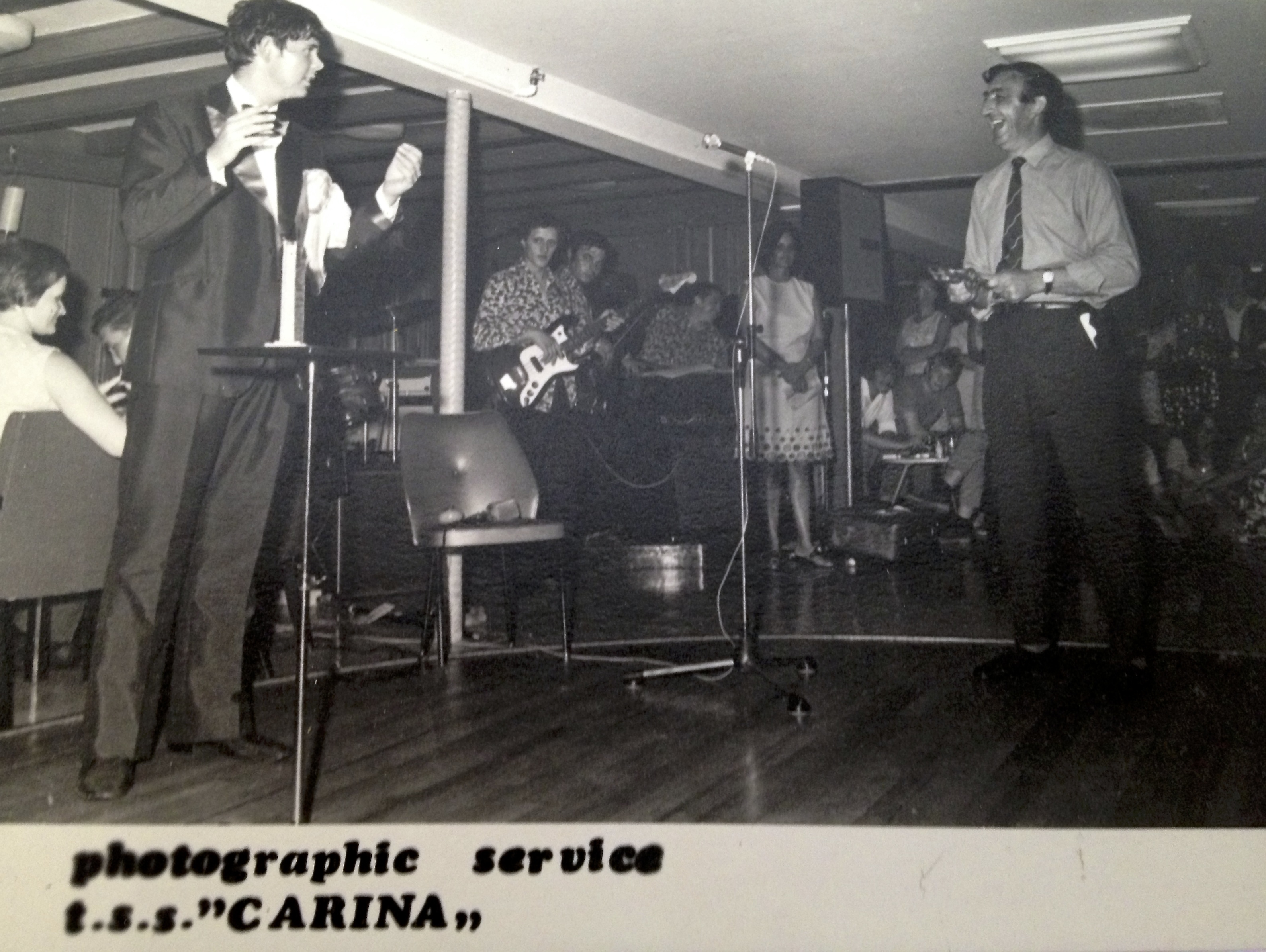
In 1969 I worked my first cruise ship booking, which took me to the Mediterranean and opened up a line of work that I continue to profitably and pleasurably mine right up to this day. This is one field of work that has really expanded and get better as the years go by and nightclub bookings have declined. It has been very good to me over the years.

image - Version 2 In 1973 I met my wife Susan after returning from a cruise gig that took me to Australia and we fell in love and married in the same church I had been named after and was christened in. No, it wasn’t St, Nick’s but a rather more somber St Nicholas. It was the same church that our eldest daughter was christened in quite a few years later.

Susan was from Los Angeles and in January 1974 we moved to California and another whole era of my magical journey began. I was of course very excited to be moving to the city that contained that Mecca of all things magical—The Magic Castle. I had heard a great deal about the Castle from Ken who had struck up a very warm but slightly unlikely friendship with Dai Vernon during one of his visits to the United States.

Arriving in Los Angeles we had $50 dollars to our name and for several months I worked at selling clothing in a mall, this is the only time in my life that I have ever supported myself by doing anything other than magic. I used the time to plan out my future as a performing magician and work on Americanizing my ‘Oh, so English’ show.

Curiously enough I performed at Milt Larsen’s Mayfair Music Hall in Santa Monica before I worked at the Magic Castle. However. it was not long before I began my magical apprenticeship at the Castle. That is another whole story though.

Phases and Stages (My magical journey….) Part One.

•November 21, 2013 • 2 Comments

Lewin boys-1950sI have recently received emails from Magic New Zealand readers who asked if I could write a column that shares a little about my own journey as a magician. I have written plenty about magic and magicians through my own viewpoint but never a timeline that ties the thoughts into my personal magic roadmap. Well, I am going to attempt to do so in the next four issues.

I was born in 1952, in the county of Surrey, England, in a little village called Thames Ditton. I am the youngest of three brothers and NO ONE in my family had any interest in magic at all. I didn’t discover magic in the traditional way—the magic set for Christmas when I was eleven. Though I have a very clear memory of being entranced by a box of practical jokes (nails through finger etc.) that I received at a very early age.

The first time I saw real magic, that I remember, was on television and it was the wonderful David Nixon. I remember him performing a card in cigarette routine in particular. I also very clearly recall watching Chan Canasta, Robert Harbin and Tommy Cooper on TV. I definitely became interested in magic due to their performances. Comedy Magic and Mentalism—not much has changed in my world!

There used to be a small section in my favorite toy shop that had a section devoted to magic trick manufactured by a company called ‘Ellison’s Magic’ and it was there that I bought those first classic tricks which we all buy, plastic ‘cups and balls,’ vase and ball etc. I wish I still had copies of all those original tricks.

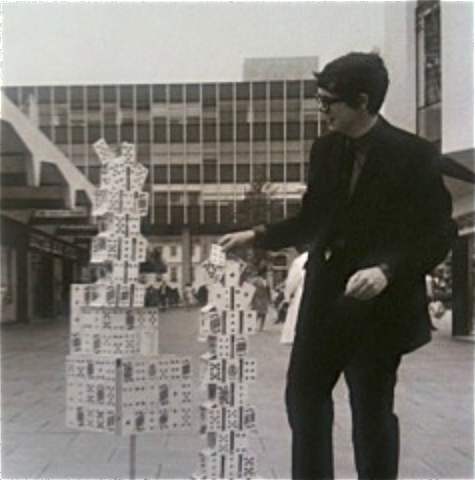
My first instructor was a gentleman named Charles Ellis who sang in the church choir with my Father. I badgered my dad into getting me assigned to David Nixonassisting Mr. Ellis in his annual performance at the church garden party. I remember him showing me an amazing trick with silver rings that linked together—I was captivated

I immediately wanted to follow in his footsteps and by age eleven I was putting on my own little shows. The first ‘big’ show that I remember was when we lived in Wimbledon and it was to be presented along with my best friend and magic partner James Stevens. Jim had just taught me the Zombie and I was in awe of his skills.

We were to perform at the local cinema during their Saturday morning kids performance. I remember planning a 45-minute show and being very upset when the cinema manager told us that he thought 10 minutes was long enough. How right he was! The show went very smoothly and my indignation at the truncated running time quickly disappeared.

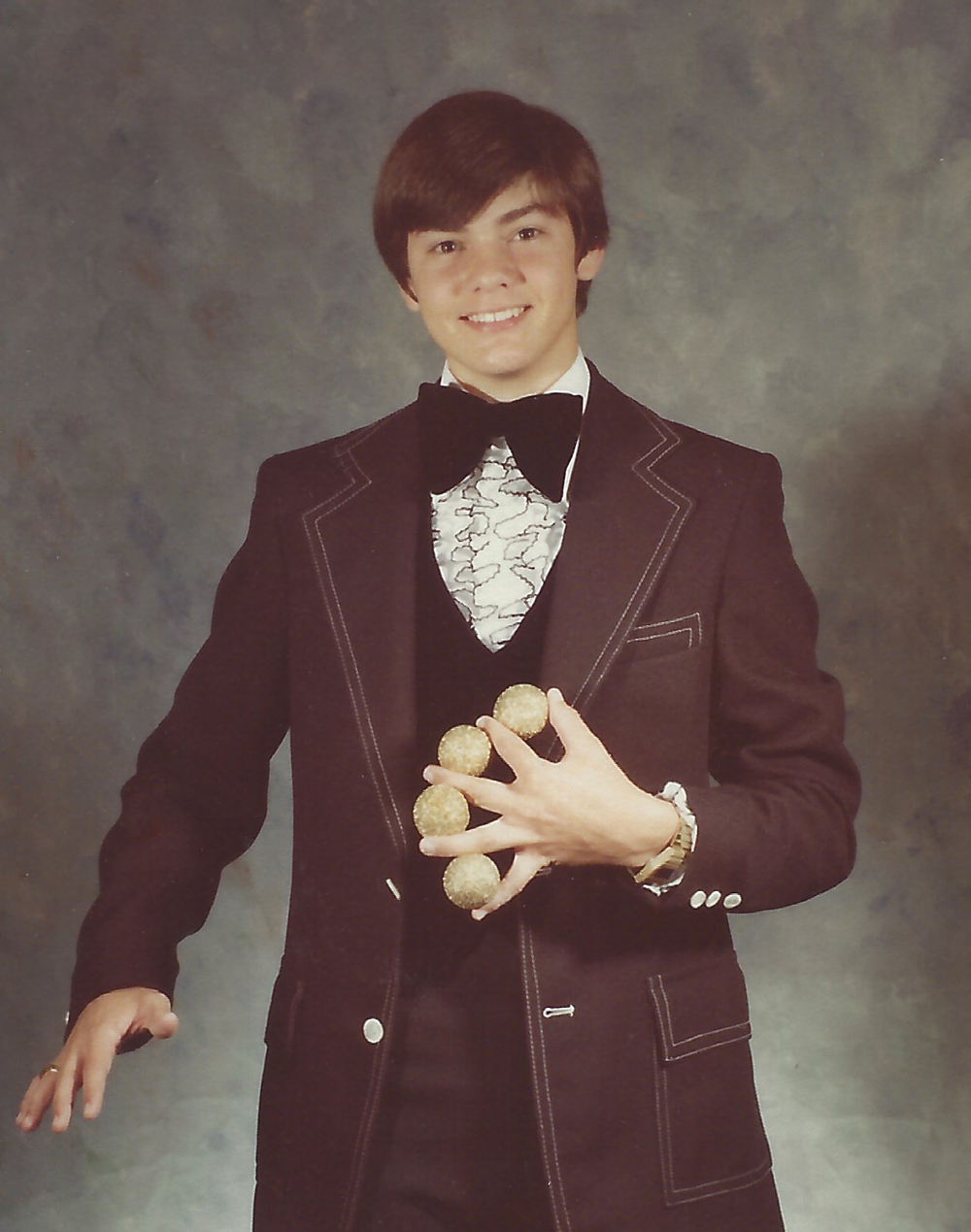
By the age of 14 we had moved to the little village of Cuckfield in Sussex and I was in full throttle as a young magician. I was performing a combination of comedy tricks and manipulative magic. My performance highlight was the Ron Macmillan billiard ball routine, which I had mastered after pestering my Dad to make those pesky spring-loaded clips. I closed the show with the Linking Rings.

AcornWorkflow-2011.06.09 17.03.19I remember that at this time I displayed every prop I owned on a big table for all of my shows– even If I didn’t use them! When I joined the Sussex Magic Circle I began to realize that this was a rather unsophisticated approach. It was a big step for me joining the magic club and I was always excited the week of our meetings. It was during one of these meetings that I met my first real mentor Roy Cowl.

Roy was totally bald, dressed in black and owned a huge python that lived in a glass box in his living room. I found all these factors very exotic. Roy taught me a great deal about magic but most importantly he introduced me to a man who was very instrumental in my development as a magician Mr. Ken Brooke. I am eternally grateful to Mr. Cowl for doing so.

Roy and I travelled up from Brighton together one day to Ken’s newly opened studio at 145, Wardour Street in the racy London neighborhood of Soho, in the heart of London’s West End. Ken had just opened his studio and it was very impressively NOT a shop. It even had a couch and a (magic) bar in it.  After we all drank cups of tea, Ken asked me to perform my linking Ring routine for him and when I finished he complimented me on it.

I then sat on the couch and watched Ken perform his routine, I was astounded, when Ken asked me what I thought of it I replied, “…but with my rings some of them were already joined together and there was a gap in one of them.” Ken looked at me and smiling said, “We will make a magician of you yet….”

Next we will see how he went about it.

Chan Canasta: A very Remarkable Man.

•November 14, 2013 • 2 Comments

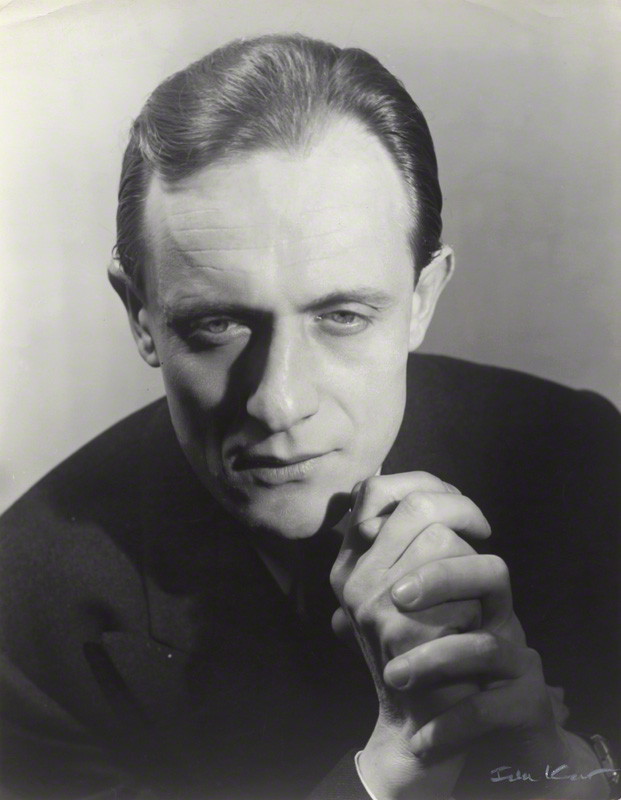
NPG x132481; Chan Canasta (nÈ Chananel Mifelew) by Ida KarI have recently taken to joking with agents, bookers and producers that I am rather unique as magicians go because I don’t read minds! The field of corporate entertainment has become so filled with mentalists that it usually gets a good laugh from them.

Actually it isn’t quite true because I have been fascinated with the field of mental magic for about 50 years, because of three remarkable men who influenced me greatly before I left my homeland of England. They all grasped something that contemporary magicians are now rediscovering and sharing with their audiences. Mentalism contains some of the strongest effects in the entire lexicon of magic.

One of my earliest memories of watching magic was sitting in front of our black and white Decca television set and watching Chan Canasta perform on one of his wonderful BBC television series. It must have been the very early ‘60s and I really can’t remember if this was before or after my first interest in magic. If it was before then it must have been a major factor in my interest blossoming, if it was after then it sealed the deal. I really had no idea of what he was doing; let alone how he did it.

I was recently gifted a copy of one of those pioneering TV shows and was shocked to discover that I still had no idea how many of his effects were accomplished. The man was amazing, or as the TV credits informed us—‘A Remarkable Man.’ Not only was his magic incredible but his presentation chanbioex2was so superb that it stands up today as strongly as I remember it from my childhood, and how often is that the case.

Born in 1920 as Chananel Mifelew in Krakow, Poland he moved to Great Britain in 1947 where he soon became a hugely influential instigator in the birth of mentalism in the United Kingdom.  In 1951 he was featured in the first of his 350 performances on BBC TV. Yes, 350 shows—that is a whole lot of magic!  He had a rather simple and yet totally overwhelming gimmick when he performed, he didn’t always succeed in his psychological experiments.

This simple factor did something very powerful, it made him appear incredibly authentic. I don’t remember my two other mentalist heroes, Al Koran and Maurice Fogel, ever taking the chance of being flat out wrong. It was sheer brilliance to take chances the way Canasta did. By taking this approach he succeeded even when he apparently failed.

While never, ever claiming to be more than ‘A Remarkable Man’ I really don’t think there were many viewers who didn’t secretly believe that his abilities crossed some special line. Each week I would wait to see the booktest that inevitably closed his TV shows. A bookcase was part of the backdrop on his set and I would wait breathlessly for the moment when he performed this particular effect.

Let’s not gloss over that little bombshell that I dropped in the last paragraph. The book that was used by Canasta for the booktest was removed by a spectator from a bookshelf. How cool is that, it was in a bookshelf! How many mentalists have you seen who added that psychologically powerhouse touch to their presentation?  The man was pure genius. He left me with a life long fondness for this particular effect that has cost me hundreds and hundreds of dollars!

hqdefault At the height of his fame Canasta left behind his wildly successful career as a performer and followed his true dream as a painter. With successful gallery shows on both side of the pond he turned this dream into a reality. The man was a genius.

If you want to know more about Chan Canasta I suggest you find a copy of the excellent book that David Britland wrote and my dear friend Martin Breese published. The book is called ‘Chan Canasta-A remarkable Man’ and belongs in the library of any true mentalist who is worth his salt. If you really want a master class in Mentalism then find some video of Mr. Canasta performing his world-class feats of magic and mindreading. No matter how much effort it takes you to find a copy of his work it will be worth it. I’ve said it before and I’ll say it again, the man was pure genius, and a truly Remarkable Man.

Chan Canasta may have preceded the current ‘Mother Of All Booktests’ but he was very definitely the ‘Mother Of All Booktesters.’ Trust me on this one– his work has haunted me for nearly half a century!

Learning to do consciously what you once did unconsciously……..

•November 7, 2013 • 3 Comments

IMG_6062I want to introduce you to an insight that has been very helpful to me over the years and I hope that it might be of some use to you as well. I have touched on it before, but will go into a little more detail in this column.

I started performing magic (like most of us) at about the age of eleven, doing kids shows. I always consider my real performance career to have started at the age of 17 when I left school.  I went on to attend the Guildhall School of Music and Drama in London and study film at USC in Los Angeles, but was performing magic professionally while I attended both schools.

I like to break things down as saying it took me 20 years to learn what to do onstage and then another 20 years to learn how to make it look like I wasn’t doing anything onstage.  Once you have acquired the knowledge you need it is then very important that you then let it get out of the way so it doesn’t interfere with the audience’s enjoyment of what you do.  Learn what you need to do and then make how you achieve it invisible.

I feel strongly that you should never let the audience see your technique but just watch your magic and enjoy your comedy. You don’t want to make your show look like you are working to hard at making it work.  Certainly there are moments when you want to focus their attention and highlight a reveal by emphasizing the skill needed, but a little of that goes a long way. The law of diminishing returns also applies—big time.

It is not an easy thing to obscure your technique onstage, but it begins with knowing what you are doing so thoroughly that you don’t need to think AcornWorkflow-2011.06.23 07.25.27about it for a single moment. This allows you to ‘be in the moment’ while you are performing. Any actor or comedian will tell you that ‘being in the moment’ is the most powerful skill that you can acquire in mastering your art form. It allows you to make the best of each and every situation.

We run the risk as magicians of upsetting a part (sometimes quite a large part,) of our audiences by appearing to be merely in the business of fooling people. Some people like to be fooled but never forget that many do not. The audience members can think we are being smart-ass or condescending if we are not very careful.

Being in the moment, and removing the unnecessary static of technique, from our performance can free up the appearance that we are performing ‘at’ an audience. The mark of a strong comedy magician is usually that he/she appears to be just having fun onstage and that the magic happens on its own. This is a fairly subtle state of affairs to fully grasp and is tough to fully define, much less achieve.

Curiously enough this idyllic condition tends to occur fairly naturally when we are first beginning to perform shows. You just get out there and do the show without thinking to much about it. After a while you start to think about it, and the early naturalness and freshness disappears like morning dew in the sunlight.

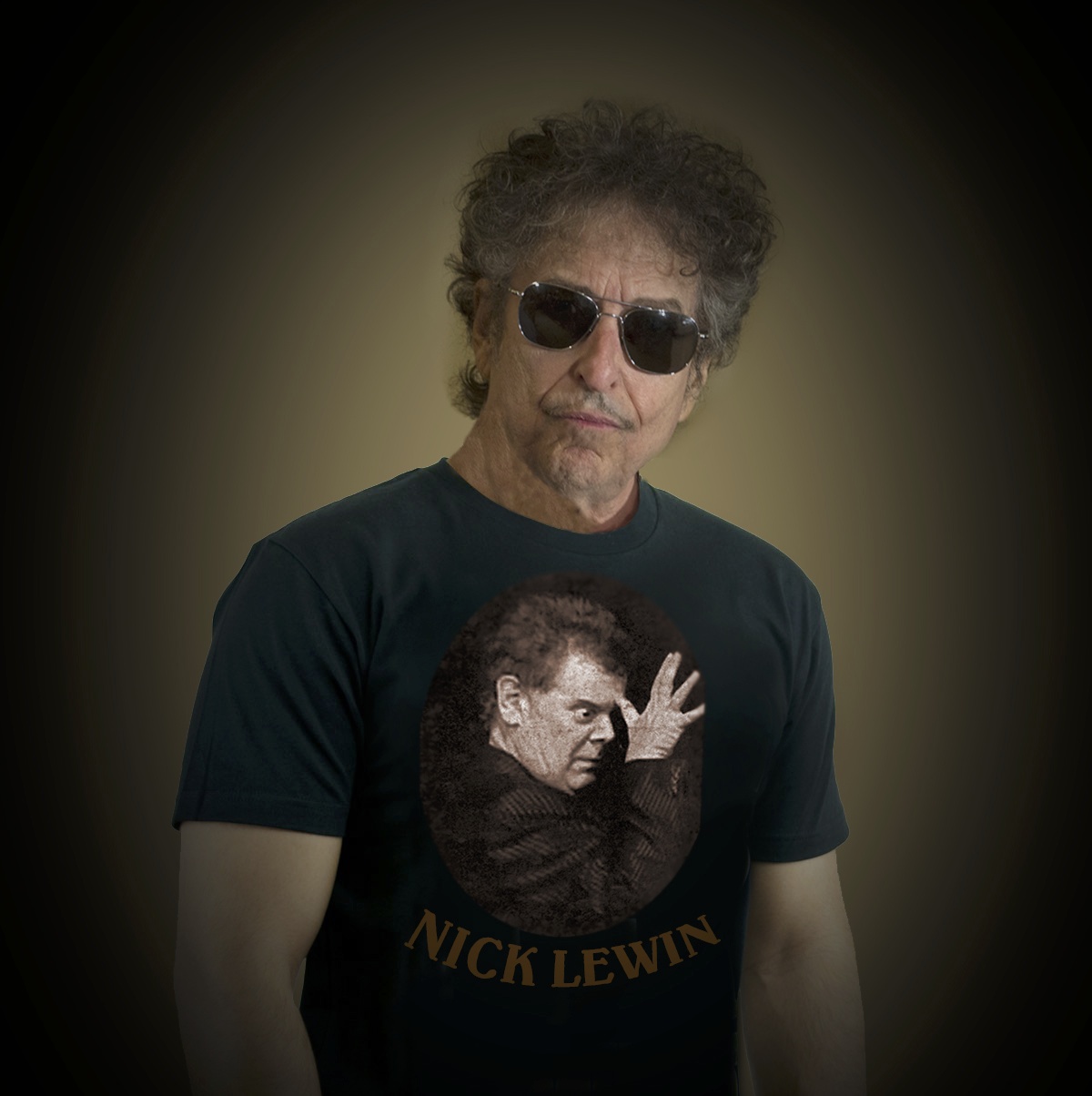
NL Dylan-1Once this has happened you then have to re-create that earlier state of innocence—a state that is often highly appealing to an audience. Bob Dylan made a wonderful statement that is very relevant to this process. He was asked about the infamous ‘lost decade’ in his career when he really seemed to lose touch with his audiences.

Dylan stated that it took him that ten-year stretch (of almost constant touring and performing) to learn to do consciously what he used to do unconsciously. This is a powerful concept and one that is well worth reflecting and meditating on for a while. Often as performers we are blinded from seeing what the audience are really seeing. We have a vision of how we are that doesn’t always have much to do with how we actually are. Sometimes it is ego, and sometimes we need that ego to power us through our shows. We have a vision of us in our ‘mind’s eye.’

For every performer, sometimes sooner and sometimes later, a certain cosmic something clicks and we realize that we have actually become the performer that we always thought we were. It is a magic moment indeed, and from then on there is no looking back.

To reach this point you sometimes need to re-structure that old saying, “Practice, Practice, Practice,” and realize that the time for practice is over and what you really need to do is to, “Perform, Perform, Perform.” It is the way to reach the next level of achievement—learning to do consciously what you used to do unconsciously, and then letting everything unnecessary fall away from your performance.

Clubs, Hugs, Ducks and Plugs!

•November 7, 2013 • Leave a Comment

Nick-16r-3 - Version 2I want to cover a few topics in this week’s column and will begin by extending a really big congratulation to one of my favorite young comedy magicians in Las Vegas—Adam London.  Adam has recently celebrated the 250th performance of his Las Vegas show ‘Adam London at the D.’ This is a really big milestone and I am delighted for his continuing success.

If you are not familiar with Adam then I am convinced you will know all about him before too much more time passes. He is a wonderfully engaging comedy magician with a delightfully warm style that is perfectly complimented by his ever so slightly abrasive manner. I first met Adam when he was the manager at Mac King’s show in Las Vegas. He was a huge asset to the show and a great loss when he left.

Harrah’s loss, however, was ‘The D’s’ gain and Las Vegas landed one of its freshest and funniest new afternoon shows. Having single handedly created the genre of one-man afternoon shows in Las Vegas nearly 20 years ago, I have always kept a close eye on the market. When I first saw London’s show I was convinced it ‘had legs’ and it does, and its success couldn’t be happen to a nicer chap.

If you have a chance to catch Adam during a visit to Las Vegas don’t miss it! The show highlights London’s great likeability and strong comedic sensibilities. It is rumored that he honed and perfected his comedy skills by telling ‘Knock, Knock…’ jokes during his time as a Mormon missionary. Congratulations my friend, here’s to another 250 shows.

I am planning to visit with Adam and re-catch his show very soon, in fact I want to combine it with a IMG_3239long overdue visit to see Mike Hammer’s show at the ‘Four Queens.’ Mike is another very funny young man who has kept his one-man show running and doing great business for even more shows than London. I will look forward to writing a review of it for Magic New Zealand, as I have heard many great things about it from a wide variety of folk.

I have been excited and delighted by the incredible compliments and reviews that my book ‘Cruise Magic 101’ has received in the year since it was published. We have shipped copies to 13 different countries and I am very pleased that it has been of such interest to so many performers.

I was extremely flattered to read the following on Michael Finney’s Facebook page:

I am having more fun than I thought I was going to, being on the ship this long, (now 8 1/2 months) of the last 11, I have had a couple dozen entertainers ask me how I got this gig, and how they can go about getting ship jobs. First get a copy of Nick Lewin’s book on working the ships. It’s a great price for years of ship work information. Although I had worked a few ships prior to its release about two years or so ago, I bought it and must give it credit for the helpful advice business and personal.

 Long time readers of this column will be aware of how much I respect Michael and his work. He is an ultimate pro and his kind words mean a huge amount to me.

paulchaplinI have also been delighted at how many people have bought the book who have NO interest in performing on a cruise ship. It is crammed full of pointers and tips that are very relevant in any performing venue. It even includes a great trick, which modesty forebears I mention, is worth the twenty bucks the book costs. Kudos to Steve Mitchell for insisting I put it in! I still have a limited supply of copies available via the online store on my website www.nicklewin.com if you would like an autographed copy.  I have several new items becoming available in upcoming months—why not check them out.

Finally, I want to let you know that I will be lecturing and performing at the upcoming ‘3 of Clubs’ Convention in Vancouver on the 8th-10th of November. There is a star-studded group of magicians in attendance, including Shoot Agawa and Daryl. I am very excited to be part of the event. Check out the details on their website, it looks like being a really great convention.

I am particularly looking forward to experiencing Paul Romhany’s ‘Murder By Magic’ show! Paul has one of the most fertile minds in magic and as a huge murder mystery buff this event should be a real blast. I’m just reminding him gently, but Paul also promised to bake me a Kiwi/Canadian style meat pie—I’m just mentioning it!

Jay Alexander. A Modern Magical Artist.

•October 23, 2013 • 3 Comments

jalexander400dpiI recently got to spend a little time with Jay Alexander, one of the most successful magicians currently working in the corporate market. I recorded a 90-minute interview with Jay in which he gave some amazing insights into the thinking that has made him such a successful and busy magician. This column is just a teaser for the full-length article I am writing about this very remarkable performer. However I first want to tell you a little about the man himself.

Alexander was born in Houston, Texas and at 11 started his love affair with magic in the traditional manner, after receiving a magic set as a gift. His mother owned a shoe store in which she worked and Jay spent a lot of time there practicing and performing his magic for the customers. It was here that Jay started to acquire his ‘10,000 hours of practice….’ At this time Jay was influenced and inspired by magicians he saw on TV such as Harry Anderson and the late, great Doug Henning.

At 13 someone asked him if he performed kid’s shows and he instantly, and untruthfully, responded, “Yes!” After the show he took his five-dollar fee and went to ‘Archie’s Magic Store’ in Houston to buy a trick. Wayne Raeke who worked at the store, and was to become Jay’s first mentor, persuaded him not to spend his money on one bad trick but to buy a book and learn several good tricks. It was great advice that is as sound today as it was then

After Jay’s second paid show he returned to ‘Archie’s’ and spent his ten-dollar fee on a copy of ‘Royal Road to Card Magic.’ He had now officially begun his own Royal Road into becoming the knowledgeable and highly individual performer that he has blossomed into.. Jay is still a voracious reader of every kind of magic book. Talking with Jay it is impossible not to be impressed by the scope of the magical information that he has at his manicured fingertips

At age 18 Jay moved to California to attend the prestigious San Francisco Art Institute. He was also attracted to San Francisco because of the thriving photostreet performing scene. It had been instrumental in the development of many of his favorite performers including Harry Anderson, The Raspyni Brothers and Frank Olivier.  Upon arriving in the Bay City he took his own magic to the streets and began to develop the high-energy skills and distinctive look that define him today.

The first big break in Jay’s career was when he became a favorite performer for the legendary Rock n’ Roll promoter Bill Graham. Graham booked him for repeated performances at the famous Fillmore West and Warfield Theatre, where he performed backstage for such iconic rock and rollers such as the Rolling Stones. He quickly became a very popular performer in the San Francisco and Silicon Valley area with the help of these ultra hip credentials.

magic_jayAlexander’s second break was the release of a popular magic DVD-Rom that introduced Jay to the national spotlight and resulted in a series of appearances on major television interview shows. This project was a perfect blend of ground breaking technology and performance skills that have remained a personal trademark to this day. It is hard to tell which topic he enjoys talking about most—Apple or Magic!

The long hair and ‘wild’ clothing that were integral to Jay’s style might have made his entry into the corporate market a difficult one— not in Silicon Valley where he quickly became to ‘go to’ guy for the wildly successful high-tech and dotcoms’ that were flourishing in the area. His distinctive appearance was ideal for a young hip computer companies. His success has continued building from those days and he is now one of the highest paid corporate magicians in the country.

There is a lot more to Jay Alexander than you see onstage, and it only takes a few minutes in his company to feel the warmth and humanity that illuminate his professional persona. His generosity and caring are evident in the way he gives back to his friends and the community in general. Every January for the last 9 years Jay has performed a fund raising show to raise money for Arts & Music programs for schools in his hometown in Northern California. He began this series of shows when he looked at how many benefits he was appearing in and how often the full cash returns were not finding their way to the cause. He has now raised over $80,000 for this excellent cause, and every year he sells out a 700-seat theatre in which he stages the event.

This is just a brief introduction to a very individualized performer and I am looking forward to being able to cover his philosophy and guidelines to performing in my upcoming article. I learned a huge amount from Jay during our interview and am looking forward to being able to share some of it in my future writings.

Jay_Alexander_Image

A little linkage is a great thing…….

•October 18, 2013 • 5 Comments

KenBrookeWhen I lectured recently at a magic convention I was really surprised by the interest I had in one of the topics that I touched upon. I had many questions about this, in my opinion, very simple area of linkage. I hope I get a few useful thoughts down in this blog that will be of general interest.

I made a reference to the fact that the late Ken Brooke had some very specific ideas about this topic. In fact it was one of his favorite talking points when he was teaching you how to construct a really commercial act. It was a large part of his ‘Journey not the destination theory.’

What exactly is linkage? To put it very simply, it is all the gags, jokes, tricks and bits of business that act as the connecting tissue that hold together the major elements that constitute your show. Not the main part of your performance but the bits that hold them together and make them more fun to watch.

One of the easiest ways to spot magicians who work a great deal, and those who don’t, is to look at the linkage that they use to frame the key tricks in their show. A real pro tends to have an act that is seamless while an occasional performer appears to perform a trick, and then begin another one. It has a very different effect upon an audience.

If you are a talented comedic performer then an easy solution is to tell a couple of jokes that take you from the topic involved in one effect onto the next trick. Watch how very carefully good stand-up comedians segue from topic to topic in their shows. They are very aware of the positive role of good linkage in their act; they would probably refer to it as transitions though.

The idea of successful linkage in a show is to transfer the audience’s attention throughout your performance, without letting the climax of one trick contrast with the slower pace that is often needed to set up the next effect correctly. It is a rather subtle concept and needs to be worked at on an ongoing basis.

As a simple pair of examples, let’s discuss two pieces of linkage that Ken used during his own shows. The first of these ‘bits’ was from his close-up show and the second was in his cabaret show. Neither sound particularly funny in cold print, however each of them contributed greatly to the over all impact of his show.

When Ken had finished a trick in his close-up routine he would glance at his watch casually as if checking whether or not he had time to do another trick. Ken Brooke-Magic in his HandsApparently the watch had stopped because he began to wind it up—in a very extreme manner. Ken was a very visual performer and his use of the old ‘watch winder’ gimmick was an exercise in physical humor.

As Ken was ‘winding’ the watch up in a loud fashion, he would gradually slow down the speed at which he was achieving his goal. As the winding got slower and slower it seemed that the spring inside the casing of the watch was about to explode. While this was happening Ken appeared to be holding his breath and seemed to be quite literally over winding himself. His face appeared to go red and it was only when he wrenched the last “Click” out of his watch that he allowed the air to burst from his mouth.

I told you that it wouldn’t appear funny in print, but this little bit of business used to grab everyone’s attention and create a warm laugh in a spot in the show that might have been an awkward transition.  This moment could have been made extremely mundane in the hands of performer who just said, “Now for a trick using three cups and a ball….” Descriptive patter is a poor substitute for entertainment.

As a running gag during his stand-up show, Ken would often run off stage and out into the audience between tricks and then speaking directly into the ear of an audience member in a loud voice (as if they might be very hard of hearing) say, “I’ll do the card trick in a minute!” Then hustle back on stage and continue with his show. By the third or fourth time it started to get a huge reaction from the audience. He never did a card trick!

These are just two tiny examples of how Ken created linkage during his show, these bits suited him perfectly and were highly individual and quirky— just like the ones you should create for yourself. These are the little secrets that can take an act to another whole level.

The MAES Convention, in the rear view mirror

•October 10, 2013 • 1 Comment

IMG_7092I had a wonderful time last weekend at the MAES Convention in Cherry Hill, New Jersey. It was the perfect model of a smaller convention with masses of events that still left room for the most important part of any convention—hanging out with other magicians.

For many of us, the emotional highpoint of the convention was getting to see David Oliver attending his first convention since the double lung transplant that he recently received. It was wonderful to enjoy David’s company and see him so far along the road to full recovery from his medical problems.

There are very few magicians who have given of themselves as freely as David has to the magic community. The palpable sense of excitement and pleasure that his presence at the convention brought together amongst the attendees was both heartwarming and powerful. Keep up that great recovery David!

I am just going to ‘cherry pick’ a few of my personal highlights from the event and due to space limitations have to leave much unsaid that I would love to have commented on more fully. I would be very re-miss if I didn’t begin with a big thank you to Marc DeSouza who was responsible for me being there. I first made Marc’s acquaintance many moons ago and it was a joy to catch up a little on all our mutual interests in magic. Marc and Mike Miller did a great job in assembling the talent for the convention.

The pre-convention excitement kicked of with a bonus lecture on Thursday night by Aldo & Rachel Colombino. The couple presented 80 minutes of really IMG_7099great magic, and created a lot of fun bantering between themselves throughout the event. They sold a bunch of product and during the next few days there was plenty of evidence that it was being practiced!

I particularly enjoyed getting to know Jimi Bizzaro a little better during the course of the convention. I had seen Jimi appear at Wonderground many times and was already a fan of his unique approach to comedy/visuals/magic. His lecture was really well planned and presented, it contained a great many unique and visually dazzling effects. I found myself lining up at his product table with cash in my hand and the goofy enthusiasm of a teenager.

Bizzaro’s performance in the Saturday night show was also a highlight. Commercial magic with a distinctive style and huge visual appeal make Jimi a man to watch for in years to come. He does a great job with what he performs and seems to have limitless potential for the future. If you haven’t discovered Bizzaro yet—it is high time you did, he is the real deal.

I was also delighted to catch Howard Hamburg’s lecture on Saturday, when he dazzled those present with his sleight of hand. As the framework for the magic he displayed, Howard told some great stories about the many world-class magicians he has counted amongst his close friends at the Magic Castle.

IMG_7095 3You have a lot to give when you have been the recipient of information from the likes of Dai Vernon, Bruce Cervon, Charlie Miller, Mike Skinner, Larry Jennings and Tony Giorgio. Howard shared tips and tricks in a warm and friendly manner that made him a real gem to all those attending the convention. It was great to see Howard during the convention, always to be found at a table holding a deck of cards and sharing his immense knowledge.

In this brief synopsis of the whirlwind convention I also want to mention how impressed I was with the ultra-smart and commercial work of Farrell Dillon who closed the show on Saturday night.  Farrell combines great magic, a nice sense of humor and a gigantic likeability factor; these qualities are going to keep his name at the very top of our industry for many years to come.

It was a wonderful convention and I want to thank Kyle & Kelly Peron and everyone else who made it such as success. I really enjoyed both lecturing and performing for the convention. I had a lot of fun in both capacities!

My next convention is the 3 of Clubs in Vancouver…………..I can already taste that BC Indian food!

886422_595163433863521_174032022_o

Ray Anderson and ‘Esther’s Follies.’ A Master Class in magic and entertainment.

•October 7, 2013 • 2 Comments

aa

This is a re-print of my recent article in VanishMagazine.  If you don’t download this amazing totally free International Magic Magazine then you are missing a treat! Go to www.vanishmagazine.com and get a free download and you will see what the 80,000 readers are raving about. In a future issue I hope to corner Ray and see if I can persuade him to share some practical advice and guidelines about the work he does. 

I recently enjoyed a magical revue so much that I am counting the minutes until I get to see it again and I seldom feel that way about a show. Welcome to the world of Ray Anderson and ‘Esther’s Follies.’

As a fully paid-up, card-carrying magician I have always obeyed the first commandment of magic and never reveal a secret. I just hate to do it—so I don’t. In this months column I am going to flat out break this code. I am going to give away one of the best-kept secrets in magic.  Well it may not be a strict secret but it is such a great show that I just have to spread the word.

In the heart of beautiful 6th Street in Austin, Texas is a historic little theatre located at number 521. It is the Cactus Theatre and the home of ‘Esther’s Follies,’ which in my opinion is one of the smartest, funniest and coolest revue shows to be found anywhere. Featured in the show is Ray Anderson who has my vote as the funniest comedy illusionists in the world. I love the revue show and I love Anderson’s contribution. Most of all—I’m just crazy about the organic manner they have been combined together. Let me begin by talking about the show and then I will tell you a little more about Ray.

In the 30s and 40s the Cactus Theatre was owned by legendary vaudeville performer Richard ‘Skinny’ Pryor, but the ‘Esther’s Follies’ band of entertainers first magic photostarted to create a legend in the Spring of 1977 when Michael Shelton and Shannon Sedwick leased the property. Thirty-five years later it is a Texas classic and continues going from strength to strength. ‘Esther’s started as an experimental and rather bohemian collection of performances and sketches and has achieved a commercial gloss that in no way negates those original elements.

The name, décor and theme of the show are reflections of the great swimming and movie star Esther Williams. The show is a collection of political skits, sketches, singing, dancing, comedy and magic; that packs so much entertainment into 90 minutes that it is almost a feat of magic itself. It is as timeless as vaudeville and as topical as the morning news. The uniquely exotic theatre holds 280 audience members and is almost always filled to capacity. This is quite an achievement for a show that relies almost entirely on word of mouth rather than advertising or promotion to fill the house.

Each night, the entertainment spills right out from the showroom and onto bustling 6th Street. The rear wall of the stage has two large windows that reveal all the action going on in front of the theatre. Every single inch of the theatre is also utilized to present a good-natured show that has the audience howling from start to finish. There are more surprises packed into the staging of this show than I would have believed possible.

fountain liveThe team of players present their entertainment at such a whirlwind pace that you have to really focus to fully grasp what a talented bunch they are. I can’t speak highly enough about their individual and collective skills. Original owner Shannon Sedwick is still performing in the show and is a joy to behold.  She sets the tone of versatility and talent that is the keynote of the troupe. I must give a special shout out to Ray’s lead assistant Ellana Kelter whose radiant presence and animated facial expressions add immeasurably to the show.

The featured entertainer in the show is Ray Anderson, who has spent thirty years in the show, polishing his illusion, comedy, manipulative and audience participation into one of the most carefully constructed performances in the magic world. There isn’t a dull moment when Anderson is onstage. He has hit the point where there isn’t a wasted word or glance in his presentation; everything has a reason and a pay-off.

Performing immaculate and inventive large-scale illusions, or parodying the genre, it is truly an object lesson in performing skills to watch as Anderson does his thing—Ray quite simply ‘owns’ the stage. When Anderson brings two assistants onstage to participate in his show, it is a primer in show biz savvy to see how they are treated as guest stars and become a major factor in the fabric of the show. The frank mismadelook of delight on their faces as they return to their seats in the audience says it all.
Anderson was born in Victoria, Texas just two hours from Austin and started his magical journey at the age of 8 when he received his first magic boxed set. Within four years he was staging shows in his home. Ray recalls that his first exposure to magic was as a very young child when driving with his family; using her magical abilities his sister could cause the traffic signals to change color by snapping her fingers. Eventually he realized she was looking at the other side of the traffic signals to anticipate the light change; by then he was hooked!

Like many youngsters in that era, Anderson became a firm fan of fellow Texan Mark Wilson and his television appearances. He still remembers his delight watching the young Greg Wilson performing a billiard ball routine alongside his parents. Ray continued practicing his magic and mastering his future craft. As a left-hander he had to battle with the ‘righty concentric ‘ world of magic instructions. It was a battle he was to ultimately win with style. The great Sid Caesar and Imogene Coca were also important influences on the young Ray Anderson, and he was influenced in the development of his performing by the great sketch comedy that he watched on television. This gave an interesting slant to his skills as a magician that is still very evident in his show.

Anderson began performing both close-up and stand-up magic on a regular basis within Texas and it was obvious where his future career lay.  He attended the University of Texas in Austin and studied theatre arts. It was during this time, about 1982, that he first attended a performance of ‘Esther’s Follies’ to watch his friend Mario Lorenz perform. One night Ray traveled to the little theatre, in the ‘bad side of town,’ and was shocked to discover a long line of patrons waiting in the alley to enter the theatre! After the show he met the co-founders of the show Michael Shelton and Shannon Sedwick and pitched his services. Two weeks later he was making his debut in the show.

flashbackIn a perfect world he would have wowed everyone with this initial performance and become an instant smash in the show. However, on his first appearance he didn’t bring down the house and received a ‘don’t call us, we’ll call you…’ from Michael and Shannon. This rejection didn’t work for Ray, who went to work on customizing and re-plotting his show especially for the venue. He created a ‘cigarette in dress’ illusion that utilized those unique windows onstage that looked out onto 6th Street. When he returned to appear in the show a second time, he was a huge success and his synergistic relationship with ‘Esther’s…’ had formally begun.

For three years Anderson appeared in the revue as Special Guest before heading to Pittsburgh and focusing on his comedy skills. However, when he returned to Austin for family visits he always fitted in a guest shot in ‘Esther’s…’ and never lost his connection with the show. Twenty-two years ago Ray realized that he would rather live in Austin than anywhere else and returned there to begin one of the great runs in magic.

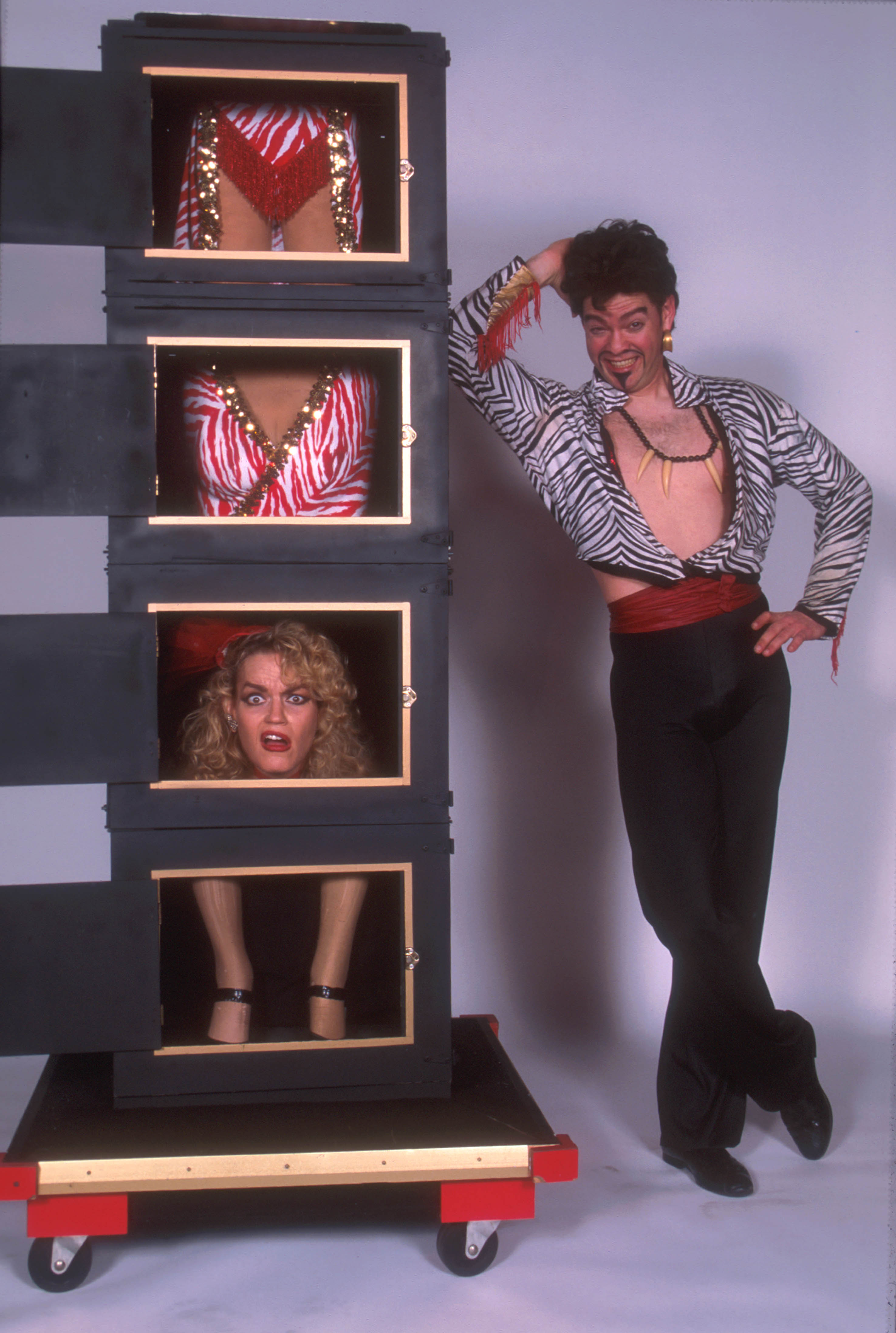
Due to their uniquely visual nature Anderson started to develop a series of illusions especially designed for his showroom home. Over the years he has presented over 30 different illusions as part of his ‘Esther’s…’ repertoire. He is currently featuring a spectacular ‘shadow box’ style illusion (designed by Mark Kalin), a ‘stretching the girl,’ ‘assistant’s revenge,’ ‘fountain levitation,’ and a hysterical ‘shooting a dog thru the window’ that has to be seen to be believed. Every one of these effects has got original and personal touches that only come from non-stop performing and thinking about those performances. 

The spirit of improvisational and experimental entertainment that was the basis of the original ‘Esther’s Follies’ has found a perfect partner in the carefully crafted and presented magic of Ray Anderson. Watching the show will inspire and motivate any magician who sits in the audience and I highly recommend anyone interested in performing comedy illusions to hold off until they observe the way Anderson was mastered the art form.

 If you are visiting Austin it is a no brainer for any magician to catch this show as there is a huge amount to learn from it. If you are in the mood to laugh and learn—then fly into Austin and catch this show regardless of where you live. It is worth the journey. I have been playing Vegas since the ‘70s and living here for nearly 20 years and this show was more fun and superior to any magic/revue that I have seen in Sin City.

If you chance to find yourself in Austin (not many finer cities to be in) then contact the box office at www.esthersfollies.com and line up your tickets. The show plays five times a week with one show on Thursday and two shows on Friday and Saturday. The theatre was jam packed when we visited so book up those tickets in advance—you won’t be sorry!

Esther's Cast

The benefits of creating a real world performing location.

•October 3, 2013 • 2 Comments

shapeimage_1I have been attempting, in my writing, to let you know about some of the great smaller magic venues that exist and are allowing magicians to display their skills to members of the general public. There is always talk of ‘the next Magic Castle,’ but the landscape is littered with attempts to duplicate the success of this wonderful institution.

The reason is very clear, most locations simply do not support the potential for a full time club. However, there is an ever-increasing list of one or two night venues springing up across the United States. They are doing a wonderful job in creating a ‘Real World’ location for magicians to improve their craft.

There are many fine magic clubs that allow magicians to perform for each other on a weekly/monthly basis, but that is far from being the ‘Real World’ lesson that performing for lay audiences supply. If you want to improve as a magician then you really don’t need to leave your home; just plunk yourself down in front of a mirror and practice. You will definitely improve your magical skills. If you go to your local Ring and show of your skills you may well find that someone can teach you a better move or a better way of performing the move you are doing. Score!

However, if you want to become a better magical entertainer, I heartily recommend you take every opportunity to actually get out there and perform for regular people. Their perspective is quite different and can help you improve your skills on many levels. Magic audiences love to watch new tricks and variations on themes; laymen watch a lot less magic and their viewpoint is quite different because of this simple factor.

I have recently written about success stories such as ‘Monday Night Magic,’ ‘The Mystery Lounge,’ ‘Wonderground,’ and ‘The California Magic Dinner Theatre.’ I am very aware that I haven’t covered Steve Spills long-term venue ‘Magicopolis’ in Santa Monica and am looking forward to doing so in a future column. I love these ventures and applaud the dedicated folk who run them; they are doing something very vital for the magic world.

I love performing at these kind of locations and applaud the opportunity that they present to introduce lay audiences to well produced shows featuring a MainMenu_01wide variety of performers. I realize there are other venues of which I am unaware and I would love to hear from you (nicklewin1@mac.com) so I can add them to my list.  I see a very clear means to improving the level of magical entertainment by increasing this network of performing locations.

Why not form a small group of strong performers and see if you can interest a local restaurant or club in allowing you to set up a monthly event on their premises? Check egos at the door, and work at providing a really great 90-minute show on a regular basis. If it works well, then you can think about moving to a weekly show.

One of the key ingredients to the success of New York’s ‘Monday Night Magic’ and Boston’s ‘Mystery Lounge’ is the way the local magicians are delighted to embrace any performing slot whether opening or closing the bill. This allows them to effortlessly incorporate visiting pros into their schedule.

The best way to improve your work as a magician is to perform more. Why not gather a group of like-minded performers and start to work at building up a local audience for your talents—it will be fun! One of my Bostonian friends described their long running weekly event by saying, “Regular folk might have a bowling night but we have the ‘Mystery Lounge!’ I like that and so do their audiences…