If they can’t see it—they won’t like it!

•August 28, 2015 • 4 Comments

I am going to write a very brief blog about a very important topic. Visibility. For all the hundreds of articles written detailing tricks you will never learn and moves you can never master, this is a topic that is seldom mentioned and it deserves to be at the front and center of every magician’s attention zone. Whether you perform stand up, close up or strolling magic one simple mega rule applies; if they cant see it then they wont like it.

There are a few other very simple rules I would like to propose.

NickLewin-DW-0041sm1    If you are performing stand up magic in a nightclub or banquet environment make sure you hold up those props at least chest high if humanly possible. The lower you hold the props the tougher the visibility factor. If you are dealing with a small object like a treasury bill or a playing card, then try to display it at almost face level. If you follow this rule the audience can not only see the prop you are displaying but they can also observe your facial gestures too— a big bonus.

2    If you are working close-up magic at a table, realize that if there are audience members seated in front of you in rows, usually only the front row (and not always even them) have a clear view of what is happening on the table. Of course there are exceptions, however, these are usually only working areas that have been designed to showcase the close up magic worker. The sight lines are great in the Close-Up Gallery at the Castle or Warren & Annabelle’s in Maui but these are the exceptions to the rule.

3    If you are performing at a table, it is much more visual, and better for visibility, if you stand up rather than sit down to perform. This way it becomes much easier to display props in your hands, which allows you to really scan the objects towards the audience when displaying them. Of course, standing up makes lapping items a lot tougher, but you sometimes have to give up a little to gain visibility!

4    Are you using the biggest props that you can to achieve your chosen effect— are you performing the coins across with dollars original_5or half dollars? It really does make a difference if you are using a 12-inch silk or an 18-inch silk. A little bit of thought, and perhaps some work on the handling, can make a huge amount of difference to how commercial your act is. Whoever said size doesn’t matter definitely wasn’t talking about sleight of hand props.

5    Not all cards are created equal. When you display a playing card to the audience, some cards are a great deal more visible than others. Black cards are generally more visible. A two of clubs is a delightfully visual card. From a distance any high spot card or court card looks almost indistinguishable from all of its counterparts. It may be worthwhile in a card trick (even when a free choice is possible) to loosely force from a block of ‘visible’ cards.

6    If you need to get a playing card signed during your show, try and get a “clean” looking card like a 2 or 4 of the apposing color from the Sharpie you are using for the signing. A court card only allows a tiny signature along the side of the card, while a seven thru ten make visibility tough from any distance. These are small but important details.

bc5d2259_std7    Be very aware of the color that is behind you when you are working if there is a chance that one of your props will “disappear” into it. If you are onstage with a red curtain behind you and perform the Untying Silk with a red handkerchief then you are lessening your chance of reaction and visibility. Have some duplicate props ready to substitute as circumstances dictate. That same red handkerchief will look great in front of a black curtain, but having a white Untying Silk will improve things in the red curtain scenario. It is actually really just all about being a professional.

8    If you are doing something with props where you feel that visibility might be an issue, then tell your audience what you are doing while you do it. The old golden rule is “Tell them what you are going to do, tell them when you are doing it and then tell them when you have done it.” It makes a lot better sense to do this than making them guess what the hell is going on.

I could probably add to this list at some length, but you probably get the idea already. A little specific thought about your own act will probably be of more use to you than my doubling the length of this list!

 

Career defining advice I received from the great Ken Brooke.

•August 21, 2015 • 2 Comments

Nick & KenAs Susan and I develop our online magic business I am often reminded of the times I spent with Ken Brooke during the ‘60s and ‘70s. I now understand a lot more about what I saw him doing then. Ken was not only a marvelous magician but he had a truly uniquely gifted magic dealer as well. During those years he expressed a great deal of wisdom that has stayed with me over the years. Here is one nugget.

One of Ken’s guiding rules as a magic dealer was to try never to just sell tricks but always full magic routine. We have tried to follow his lead in this matter. There are way too many magic tricks and props released, and far too few, well thought out fully formed routines available for a performer to really embrace and add to his show. This goal became our professional creed. Susan and I often feel the presence influence of our dear friends Ken Brooke and Martin Breese as we develop our magic business and they are mighty fine influences to have around.

I was trained by Ken to become a professional magician who could make a good living performing his magic routines. Ken must IMG_4239have done a pretty good job, because between him and Billy McComb I have reached a fairly ripe old age without ever doing any job other than being a magician. Thank you guys! I am now taking my part in the evolution of things by trying to pass on my knowledge.

One of the key pieces of advice Ken repeatedly gave me was not to spend any time mixing with magicians. “They will only mess you up and spoil your magic,” he would say. Ken was so beloved by magicians that I could never fully grasp this very definite injunction from him. He spent all day, working with magicians, performing and teaching them magic. Further more he was the center of attention at every magic convention and a mentor to many of us in the magic world. Eventually I realized that this was Ken the magic dealer and NOT Ken the pro magician talking. These were two were separate aspects of the Ken Brooke that I knew.

When I pressed him on his statement Ken expanded a little on his “ban” on mixing with magicians. He said that the problem was that you started to do tricks that other magicians liked and add details that only other magicians would appreciate. This way of developing is OK for a hobbyist, but the kiss of death for a professional magician.

Ken Brooke 1.2Magicians get bored with seeing the same tricks so they begin to change them in ways that are unnecessary for a lay audience, who seldom get to watch a magician. The best effects are simple and clear-cut. The rule of thumb is that an audience should be able to describe the trick in one short sentence. What they see is what they remember and NOT what was secretly done to achieve the effect.

At a magic convention you will see smiles of approval, and sometimes applause, when the performer does the move or “work” during the effect. If this is the case with a lay audience you are in serious trouble! The variations on classic effects that magicians come up with to entertain other magicians often merely dilute the effect for a lay audience.

Let’s take a basic example. The Linking Rings is a classic piece of magic that has stood the test of time, although in all honesty it has become something of a cliché with lay audiences. Not that they don’t like the trick, but it is often appreciated in a manner closer to the way an audience enjoys watching a juggler perform a skillful trick. The mystery is not as profound as it once was. However it is still fine entertainment even for an audience who subliminally realize that there is a gap in those rings somewhere! Let’s look at a couple of variations of the linking rings that have become popular with magicians and lay audiences.

The linking coat hangers takes the same effect and offers a variation that does little to change the basic trick. To a magician this IMG_4240can be a neat variation on a classic trick, but to a lay audience it is a much less graceful and effective presentation. One of the joys of the linking rings is the bell like sound that the rings can make when they strike each other. The very sound of the rings sells the effect and enhances the illusion that the rings are solid. Not so with coat hangers, it has turned a classic effect into a novelty item. It is no more logical to a lay audience to link coat hangers together rather than silver rings— they are all just magician’s props!

On the other hand, to a lay audience, it is a whole new trick when a magician borrows finger rings from audience members and links them in a chain, indeed this is a huge development in effect. Often an audience of magicians can overlook the vital difference when watching a fellow performer do this variation of the basic effect. “Oh, he just has a Himber Ring,” they sometimes think and often don’t even appreciate a skillful or innovative handling utilizing that prop to achieve the effect. They miss the big picture that is present in a lay audience’s mind and causes the linking finger rings to register as a near miracle.

I could give a dozen more examples, however, let me close by re-stating Ken’s lesson in my own words. Never confuse the reactions from a group of magicians to the reaction of a lay audience over the same piece of magic. If you want to perform for magicians that is great, but sometimes what is the strength in a performance for them can become a weakness to a lay audience.

You can check out my online magic store at where there are full details of my Ultimate Gypsy Yarn and Color Changing Silks routines! Both items sold out their initial releases within days or hours, but they both are back in stock. Go to www.lewinenterprises.com for video performance footage.

Ken B


Five More “New Rules for Magicians…”

•August 7, 2015 • Leave a Comment

IMG_2389I had the good fortune of working with comedian Bill Maher at “The Horn” nightclub, in Santa Monica, during the early ‘80s. I enjoyed his comedy then and still do all these years later. Every now and then I like to dedicate a column to a concept similar to the “New Rules” segments featured in his HBO series “Real Time with Bill Maher.” Here is the latest edition of my own personal “New Rules for Magicians.”

New Rule #1. Never See how much time you can get out of a trick. Instead see how much you can get out of a routine in the least possible time.

Again and again I hear performers use expressions such as, “I can get 15 minutes out of the egg bag.” The true goal of a strong entertainer is to tighten his performance and get every bit of impact from a routine in the least possible time. You can eventually proudly say, “I’ve finally got my egg bag routine down to 15 minutes,” if every one of those minutes is strong and vital entertainment. Look for the padding and then surgically remove it from your show; you will be a much better and more commercial performer. The next rule is an extension of this first one…

New Rule #2. The amount of money you spent on a prop should have no affect on the length of its running time in your show.Version 3

The audience doesn’t care if the new prop you just purchased cost you a king’s ransom, they are just interested in how much it intrigues and entertains them. Be ruthless in pruning your running time and never let cost be a factor in your consideration. If you spend a grand on a prop that achieves an effect in just 30 seconds, then don’t feel a need to make it play for 35 seconds, unless you have really added to the impact with that 5 seconds.

New Rule #3. Just because you can do something in a routine doesnt mean you should do it.

Performing, like life, is a series of choices and it is important that you are discriminating in your choices when it comes to structuring a powerful routine. Decide whether each phase or element in a routine really moves it forward or if it just confuses or dilutes the overall effect. Learn every possible element that can be used to perform your effect, and then begin to look objectively at what they really add to the trick.

If all they add is time or repetition then ruthlessly eliminate them. In magic it is important to remember that to the lay audience less is usually more.

New Rule #4. Be original in your publicity material or any seasoned booker is going to assume your actual show is just as unoriginal.

NickLewin-DW-0063There is a tendency for magicians to see photos and publicity material that other performers are using on sites like Facebook. I’m sure there was a first person to stage an 8X10 with a fire wallet but now it is pure cliché. The current trend is the photo holding a hidden ace in the hand. A cute idea but fast becoming another instant cliché. These pieces of press material are the first items a buyer often sees of an act. He is also probably looking at many performers materials so why not use something more original. Even a good picture of the performer himself is unique and unsullied by over exposure. Why would he think you are going to be different and unique if your photo isn’t? Which leads rather neatly to the next rule…

New Rule #5. If you arent Jeff McBride then there is really no need to dress like Jeff McBride.

McBride is a wonderful performer and teacher of magic who has a truly unique approach, not only to his magic, but also to his singular choices in costume and character. With his Kabuki style make-up, top hat and eccentric sense of style Jeff looks equal parts magical troubadour, steampunk visionary, exotic magician and Asian warrior! It is a look that is all his own and indeed is as unique as the man himself. I bump into a lot of magicians who have learned much from the invaluable lessons that Jeff teaches at his celebrated “Mystery School.” However, quite a few of them seem to have borrowed liberally from his sartorial style as well. Sorry guys, for the most part, you really have to be Jeff to make it work for you. Learn the lessons that Jeff teaches and then make them your own beginning with your own personalized fashion style.


A little bit about Mentalism.

•July 24, 2015 • Leave a Comment

jon_stetsonI thought it might be an interesting topic to discuss the huge expansion of mentalism as a commercial form in the last few years. It has been quite a phenomenon here in the United States and it appears that this is also a worldwide trend. It doesn’t seem so long ago that mentalism was (always wrongly so) considered something of the unloved orphan child of the magic world.

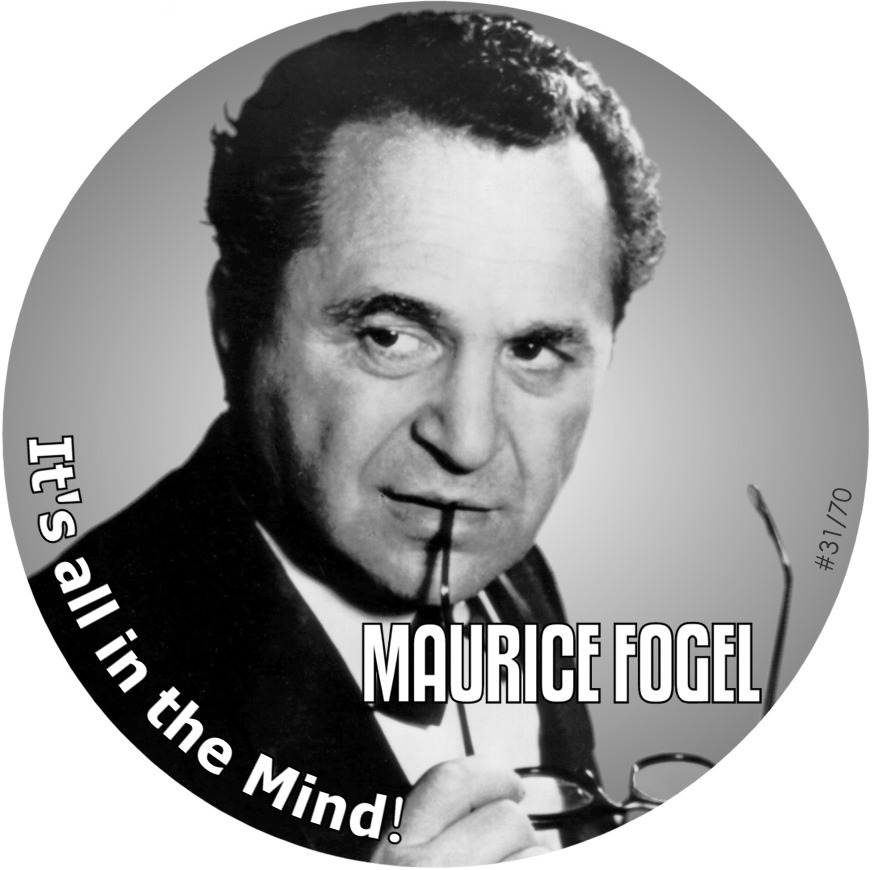
As a magician some of whose favorite tricks and performers come from the world of mentalism I am very excited by this development. Much of my early enthusiasm for magic was generated by my exposure to Chan Canasta, Maurice Fogel and Al Koran. I have always proudly featured the occasional strong mental effect in my comedy magic show and appreciate the texture that they have added to my performance. A good mentalism effect can be really great entertainment.

I remember the antipathy that bordered on antagonism that was often showered upon mentalists at the Magic Castle back in the ‘70s and ‘80s. I was once in the old Palace showroom, in the wine cellar, and witnessed a magician wait till Maurice Fogel turned his back on the audience, and then mime the actions of writing with his thumb to the crowd. I was shocked and appalled. When I asked him after the show why he did it, he replied, “Well, mentalists just try and fool people.” Yeah, unlike magicians!

I can totally understand the huge growth in popularity of mentalism in the United Kingdom and can explain it in two words — 1415055005-jay-alexander-magic-920Darren Brown. Brown was the perfect persona, at the perfect time to become a giant star in England. I have been a little surprised that Darren decided not to pursue his British success in the United States. I suspect his approach to the art would quickly establish him in the USA as a very big star. (Since writing this in 2015 Darren has indeed been seen in a Broadway theater show and Netflix specials. While being very well received he has not yet become even a shadow of the celebrity he remains in England.)

The interesting thing in America is the total lack of a major breakout mentalist star on television in the USA. The huge growth in mentalism here has been with corporate entertainment. This field has become a major new market for the psychic entertainer, some of whom are great and some who are less than stellar. In fact there are so many new corporate mentalists that I jokingly tell agents that I am the magician who doesnt read minds.

The two mentalists who have really done the most to energize this new income/workstream in recent years are Jon Stetson and Jay Alexander. Both of these performers deliver shows that are high energy and just plain good entertainment. Some recent converts to the art of presenting mentalism get a little to hung up on being serious. This can have a tendency to make them seem a little too slow and precious, or dare I say it, pretentious. (since wring this Jay has established a very successful spot to showcase his talents with The Marrakech Magic Theater in San Francisco.

hqdefaultI was chatting with Jon Stetson earlier today (Since James Brown passed on, Jon is now officially known as the hardest working man in show business,) and as always was impressed by his total grasp of the realities of being a performer. Stetson made a point that I think is well worth repeating here, “I never forget that it is a mind-reading show, and I never, ever forget to give them the show.” Wise words Mr. Stetson, very wise words.

Recently there has been quite a wave of magicians presenting mentalism in the cruise market and to my joy, I sometimes get to work with them onboard cruise ships. It has allowed me to see some of the strengths and weaknesses they bring to the workplace. I recently worked with a rather highly regarded mentalist from “down under” who performed a show that completely underwhelmed the audience. He made a very simple error by featuring several effects that involved giving some very complex instructions to his onstage assistants. Sadly he did so in such a hurried and muddled fashion that his assistants had any no idea of what to do, or even what was going on onstage. I caught his early show and was really embarrassed by the reaction, it was a total disaster. The next day when we met each other he asked me if I had caught his show. I replied that I had. He said, “Early or late show?” “Early,” I responded. “Oh, that is good,” he quickly rejoined, “The late show was a disaster.”  Scary, very scary!

Clarity is of the utmost importance when performing to an international audience. While the previously described performer used a lot of words (actually Psignway, too many) his actual meaning got lost in the shuffle. Just like comedy magicians, it is an easy way for mentalists to improve their shows by physically writing down their scripts and then taking the time to edit out any extra words that do nothing to strengthen or add to their performance. With very few exceptions saying something in ten words is a much better performing tactic than using twenty. Any hint of being verbose doesn’t add credibility to a performance; it just slows down the proceedings and frequently smacks of self-importance. Sometimes performers are not only in love with their own voices but also their own words.

I certainly look forward to seeing more mentalism performed for audiences, however, it might be a good thing for some of the “newbies” to check out the two performers I referenced above. They would also do well to study other masters of the genre such as Max Maven and Ross Johnson. There are many subtleties they could absorb to help them on their journey.


Still multiplying bottles, after all these years.

•July 17, 2015 • 4 Comments

Nick Talks about the Multiplying Bottles.

After many requests I have filmed a DVD that really teaches every detail of the classic Ken Brooke Multiplying Martini Routine. I also, of course, includes all my personal insights from 50 years of performing the routine! To purchase the routine go to  lewinenterprises.com

I must have been about 1967 when I bought my first set of Multiplying Bottles, and I have performed them on and off ever since. My first set of bottles, were purchased from Ken Brooke and he personally taught me his routine in a series of half-hour lessons in the following months. In many ways it was the first and biggest step I made in becoming a professional magician in those early days. When I bought them Ken told me I would always have a strong closer for my magic show—he was right.

There are very few tricks that create the visual excitement of a nicely performed Multiplying Bottles routine. The fact that they can all be packed away in a small bag and carried without risk of throwing your back out is also a nice selling point. I closed on this trick for many years before putting them into a second to closing spot before my Slow Motion Newspaper Tear. As a trick they have never let me down.

Ken’s routine for the bottles is a work of art. The handling and pacing of the effect, combined with the visibility he created with the placement of the bottles was brilliant. It is just a shame that Ken passed away before he could have had the opportunity to capture his routine on video and all his subtleties would have been captured. However well written a manuscript makes it hard to capture the same level of detail as a video. Maybe I will one day release a video on this trick that contains all the information I have laboriously acquired over the years.

My first half hour lesson from Ken consisted entirely of learning how to pick up a regular glass from the table, toss it in the air with a spin, catch it and then place it back on the table. I spent half an hour practicing this in Ken’s studio until he professed satisfaction at my ability to achieve this seemingly simple act. “Now, you can always let people know that you are working with a real glass,” he said. He was so right—it grounded the handling in a palpable reality.

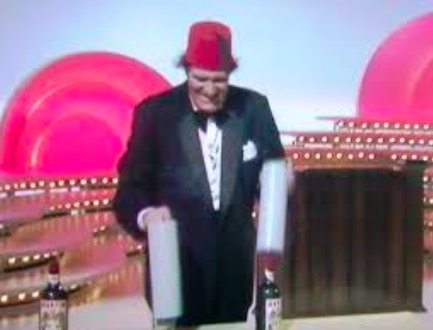
Later on I shared a half hour lesson with another of Ken’s students who was learning the same portion of the routine. Imagine294 my surprise when I discovered that my fellow student was none other than the great Tommy Cooper! It was a very exciting day indeed and one that I will never forget.

I recently did something I very rarely do I Googled myself and then followed a link to a magic forum that contained a fairly lengthy debate over whose bottle routine was better mine or that of Denny Haney. I had to laugh because with very minor changes and slightly different facial expressions we are both performing Ken’s routine! When you have the best you don’t need to mess with it much.

I personally (on a slightly drunken evening) taught the same routine to Ron Wilson when he developed his “kilt act.” Ron stamped that routine his own by concluding with the production of one of the glasses filled with whisky as the finale of the routine. This incidentally is an idea that Ken would have hated given his reluctance to add loose liquids to his prop table!

I have explored and purchased many sets of bottles over the last 4 decades—different sizes, different designs, different colors. I tried them all but always came back to Ken’s original set. They were beautifully constructed from heavyweight metal and could take a licking and carry on without sticking. They also featured a special series of rims on the interior of the various bottles that made high-speed performance a breeze. The one thing that this trick needs to sell it is rapid-fire presentation—nothing kills the effect more thoroughly than pacing it too slowly.

I have used that same set of bottles I purchased from Ken for well over 40 years and they are still going strong— if a little bruised, chipped and battered. After my show “Comedy Magic” closed in Las Vegas I decided to “retire” the routine for a while. I had performed it twice a day, six days a week, 48 weeks a year for nearly five years. Enough is enough!


Ethics, Marketing, etc. in the Internet Age!

•July 9, 2015 • 1 Comment

BC5D4274 - Version 2The incredible rise in the presence of social media and the digital world has definitely affected the magical fraternity in a number of ways. Not the least of these changes is in the advertising of new magical items. The rules have changed and left everyone somewhat unsure on where they stand when buying a new effect.

With my writing for Magic New Zealand, Vanish Magazine and my blog I get a largish amount of communication on this topic. This morning I received an impassioned email from a friend (and client) who had bought a new trick based on an advert on the Internet. The effect involves a cell phone camera that takes place in the spectator’s hands, you merely gaze at the camera and it takes a photograph.

The video selling the effect is very highly edited and emits certain details from it’s content—such as the fact you need to handle the spectator’s camera in advance, and open their settings and make changes to their phone settings. Not exactly an easy thing to do unnoticed, and in my personal opinion not something that a magician should ever do. None of this is reflected in the video. The video looks great and you see an apparent miracle but it just doesn’t reflect what will actually happen during performance.

If you buy this effect you are really not getting what is represented by the flashy and highly edited video advert. In fact if you search YouTube for an extra minute or two you can find a video that details how to do the same effect after a visit to the Dollar Store. Are either of these video pieces fair game or are both of them just part of the Brave New World of Internet video?

In the old days (pre World Wide Web) magicians relied on either seeing a live demonstration in the magic shop, watching the effect performed by another magician, or reading a description in a magic catalogue. Obviously watching an effect live was the better method to choose your next purchase. A contemporary sales video would appear to be a useful extension of this method, but not if the effect is edited and camera work used to mislead the purchaser. This is even less honest than some of the dodges contained in magic catalogues that used the printed word to paint half an image.

Nowadays anyone with an iPhone is walking around with a mini-TV studio in his inside pocket. If you add some selective live AcornWorkflow-2011.06.11 20.11.08footage, suitably edited, then you have a very confusing piece of sales propaganda that can make a magician part company with his money when he never would have after a live demonstration. There is now an entire breed of “YouTube Magicians” whose entire plan is to perpetrate the exact same thing on a video posted under their own name. They may have no problem with that particular sales tool, if true live performance isn’t their goal.

As an owner of a “boutique” Internet magic line that deals primarily in polished and fully developed routines, that have taken years to polish— I face a slightly different problem. A great many buyers expect to see full performance clips of items that you are selling. While in theory this is a nice idea, I have very mixed emotions about whether you need to fully expose the nature and handling of every item you market.

I have had performers openly tell me that they just took the jokes, plots and lines from my routines and didn’t buy the routine. I don’t think this is fair either to me as a dealer or to the performers who actually buy the routine. I feel it is quite justifiable to make an edited video version of the routine—not to conceal the weaknesses but to preserve a little mystique about the actual routine. Probably something of a combination is in order and it is necessary to come up with a new approach to what is fair to the creator, marketer and purchaser. We are entering new territory here and the double-edged sword that is video marketing needs to be very carefully controlled by the person who ultimately posts the video. The buck stops there.

BC5D4368Where does using tricks and trickery to sell tricks cross an acceptable line? Now that brick and mortar magic stores are disappearing faster than white rhinos is it fair to expect the creator of specific magical intellectual property to give everything away for free on a video? It is a tricky and thorny problem that is made all the more difficult by having no authorized authority to give balanced input when needed.

Of course there are certain online forums where anonymous writers can weigh in in topics that they know nothing about— with all the authority of an actual expert. I recently read a run down about the weaknesses in a highly specialized effect I market (after spending 35 years perfecting) ending with suggestion that it was not worth the purchase price. It was quite convincing reading other than the fact that the poster had NO idea how the effect was accomplished, how it differed from previous methods, and what actually happens in the routine. This didn’t stop him airing his ignorance!

Irritating—of course it is! It was also extremely uninformative and bad advice to any person reading it who thought they was getting measured or informed knowledge. The inexperienced/uninformed magician on the Internet is given equal access to dispensing advice as an actual expert. The Internet has become a powerful form of digital steroid to the self-important idiot!

To sum it up, the Internet is still the Wild West. Digital advertising whether by video or word of mouth is capable of being much more useful AND misleading than your old Tannen’s catalogue. Shop with care…


Be Yourself, everyone else is taken!

•June 26, 2015 • 4 Comments

NickLewin-DW-0041smThe title of this blog post really contains the full text and message! It is certainly not an original statement and I can’t lay claim to coming up with it. It is however a really important concept that it is always useful to remind performers about.

Magic is one of the rare creative forms where you can buy fully developed, and carefully articulated hunks of material. The fairly common jibe from comedians is that unlike a fully-fledged comedian it is possible for a magician to go into a magic store and buy a act. While this isn’t quite true, it is painfully close to being so—it just won’t be much of a show! This certainly isn’t the case with a good comedy act. The closest you could do is buy a book of jokes, and turning joke book gags into a professional act is like trying to rearrange alphabet soup into a best selling novel!

They are wonderfully different art forms comedy and magic, but when you combine them you are truly walking a bit of a tightrope. There are many magnificent routines that are immaculately thought out and detailed, which are sold to magicians as complete units. There is a correspondingly large quantity of magicians who are hobbyists and enthusiasts who quite simply do not have the time, skill or opportunity to create an entire show of original material. You can’t beat a supply and demand situation!

Hand in glove with that last statement is the fact that a great many magicians make a nice living or a nice addition to the bank IMG_1521balance by using their skills to create cool routines for other magicians to perform. I think it is fair to say that there are quite a few writers/magical inventors who wouldn’t make nearly as much cash if they just performed these routines themselves instead of retailing them to the magical fraternity.

The comedy world is a little different in so much as there are relatively few amateur or hobbyist comedians. The people who might fit into this description are usually referred to as class clowns or office wags. Without the original material needed to make it past an open mike night at the neighborhood bar a “wanna’ be” comedian’s act (or lack of it) pretty much just withers and dies on the vine. This is just the way it is, it is all about the material for a comedian, and it has to be original in this day and age.

A hobbyist magician often fails to appreciate the value that is placed on an original joke, and when I say value I am talking about hard cash! A simple original one-liner might be sold to a comedian for several hundred dollars. You can’t make a living as a comic just by dipping into a Robert Orben joke book from the ‘50s, or repeating the joke you heard Jimmy Fallon tell on the Tonight Show the night before. A comedy magician who is paying his dues can often get away with comedy that a dedicated comedian can’t. He can dazzle you with his magic or baffle you with his bullshit and get away with murder in the comedy department.

Nick-37There is nothing right or wrong about any of these facts, they are just the way it is. 90% of magicians simply do not work often enough to fully develop strong original acts, and an entire (huge) industry has sprung up to supply them with made to order material. He can buy a great routine that might even have a fully realized script that goes along with it. This allows him to cut his learning curve down immensely of course. However, there is one little problem—several hundred or thousand other magicians may have bought that same DVD or book.

The sensible thing to remember is that the routine you purchased may well be a fully finished product, but it is also just a jumping off point for the creative performer. Learn the rhythm and understand the structure of the routine you purchased (and it is important to do that—don’t change things around before you know the workings of what you are tinkering with) and then build on it. Make it your own and you will be entering a new level of skill as an original performer.

The very simplest way to make a piece of material your own is by adding your own personality to it. photoYou bought the material, however if you borrow the style, timing and personality of the person who created it then you have become something less than yourself in the scheme of things. By bringing yourself into the mix you change the entire equation and have become a co-creator, which is a very much stronger role than merely someone who performs other peoples words and actions by rote. At first you might lose a laugh or two or a little bit of impact when you initially develop and transform that purchased material, however within a surprisingly short space of time you might find something much more important—yourself.

Or to put it another way, “Be yourself, everyone else is taken!”

Why I Wanted To Be A Professional Magician In The First Place…..

•June 20, 2015 • Leave a Comment

Thread Photo copy 2Like most magicians my initial interest in magic was sparked at an early age by the gift of a magic set. Then I discovered the joys of the magic catalogue and the special thrill of an occasional visit to an actual magic shop. It quickly became an exciting and rewarding hobby.

At the age of eleven I persuaded my parents to take me to one of the monthly magic shows hosted by the London Society of Magicians at the Conway Hall in London. That was when everything changed and I realized that magic was going to be more than just an enjoyable hobby for me.

The headliner of that show was the legendary Irish magician Billy McComb, and it was watching McComb perform that I realized that magic was something even more special and important to me then I could ever have guessed. Billy was a riot to watch, he kept the audience in stitches from the moment he walked onstage right up until he received is final ovation.

McComb presented a lot of great magic that night—he even produced a live hen! However there was one particular trick he performed that impressed me beyond anything I had seen before; it could have been the simplicity that made such a profound impression on me. What was it that made such an impression on me?

Billy stood in the centre of the stage and while presenting a non-stop stream of one-liner jokes he took a length of white thread,IMG_1745 casually broke it into pieces and then restored them to their original condition with a casual elegance that took my breath away. There was something so special about the way he commanded a large theatre with such a simple and tiny piece of magic.Sitting out front in the audience I was hit by the sudden realization that this was what I wanted to do. My dream was to captivate a huge audience with something as simple as a length of thread and some carefully chosen words. This was quite simply the trick that made me want to be a magician.

For the last 40 years I have lived this vision and performed that same piece of magic in nightclubs and theatres around the world making a very good living doing so. It took a long while to perfect the trick, but I now perform it every show and the applause, emotions and gasps I receive from audiences tell me that they was not wasted years.

Thank you for the inspiration Billy, you gave me my first glimpse of something that was as close to true theatrical magic as I can imagine. Direct, funny and powerful you introduced me to the most important trick I would ever learn to master. I will never forget the chills I first got when I saw you perform it that long ago night in London.

You can watch video, read more about my version of this classic effect or order it by  CLICKING HERE

263 copy


AbraCORNdabra…….a great convention!

•June 12, 2015 • 2 Comments

entertainers_steve-daly-I want to take this opportunity to reminisce about a really wonderful magic convention that I appeared in last month in Des Moines, Iowa. It was the rather niftily titled AbraCORNdabra. This was as smoothly planned and produced as any convention I have ever attended. The most amazing thing was that every single event seemed to start exactly on time. Who could achieve such a magical feat? Lay it squarely at the hands of Steve Daly or as he is affectionately known to audiences around the country “Tiny Bubbles.”

I am writing this column while I am away from my office, and the convention program, poster etc. are not at hand for me to consult. However, I have delayed too long in writing it and if I miss a name or two please forgive me! My memories of the event are ALL fond and I enjoyed each and everyone’s participation in this delightful event. It was a truly special occasion where I met old friends and also made new ones.

First and foremost I have to say that the attention to detail and professionalism shown by Mr. Daly was incredibly impressive. hqdefaultHe should have himself cloned and produce magic conventions worldwide, or at the very least he should film a training video for other folk planning to organize conventions! Starting with the delightful guest entertainer packages that were waiting for each and every one of his performing/lecturing team—this was one heck of a class act!

The hour time limit on lectures and the tightly structured shows kept everything moving at a wonderful tempo, but still leaving plenty of time to mix and mingle with our fellow magicians. The Gala show ran a tad longer than Steve planned (though about an hour less than I expected!) and still left the crowd wanting more. Some of my highlights include working with Murray Sawchuck, Christopher Carter, David Seebach and the legendary Tom Mullica. I don’t think I have ever seen a magic gala hosted as smoothly as Tom achieved it. He was a riot of laughs and managed to speed up the pacing (of an already high tempo show) while delivering his laughs. It was truly a delight for me to finally work with this iconic showman. He is truly a master.

3The lecture series not only included great magic but some slightly surprising and charming events such as Lupe Nielsen’s lecture on magic posters and Lynetta Welch’s lecture on magical fabrics, Another rather lovely touch was Kathryn Flocken – an expert paper silhouette Artist who not only demonstrated – but taught everyone the craft of paper cutting, just as Dai Vernon presented it in his early years, and at the Magic Castle.

Close–up magic was well represented by performers such as Lupe Nielsen, Trixie Bond, Randi Rain and the superb sleight of hand of Suzanne The Magician. Suzanne’s lecture was considered by many of those present to be a convention highlight; sadly I had to miss it due to a conflicting rehearsal. I will look forward to catching Suzanne’s act again at the Magic Castle where she pulverizes the sophisticated audiences whenever they are lucky enough to steal her from her hometown commitments. If this sounds like a lot of magic in two and a half days —it was! Sadly I am only getting down some of the highlights, as the magic, learning and fun went on at a mighty pace throughout the event.

I noticed that Steve has the dates set for the next five years of AbraCORNdabra Conventions and I think he is right to do so. This is one tightly compressed event that could well be a major fixture on the “To Do” list of magicians across the country. It was absolutely my pleasure to perform and lecture at such an illustrious event! Congratulations to all concerned for a job well done. I now look forward to my next magic convention, when I will be performing and lecturing at the TAOM Convention in my hometown of Austin.

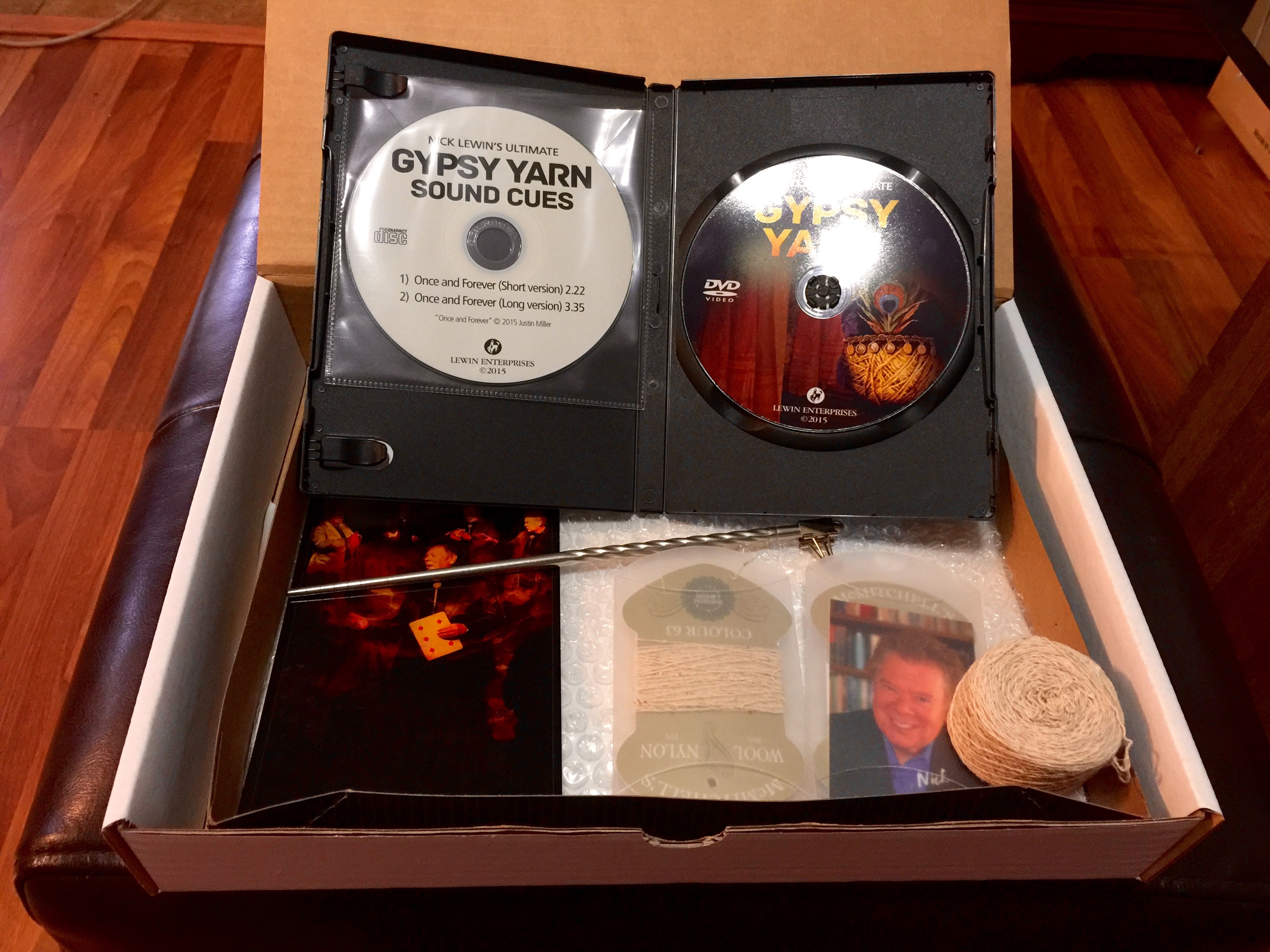
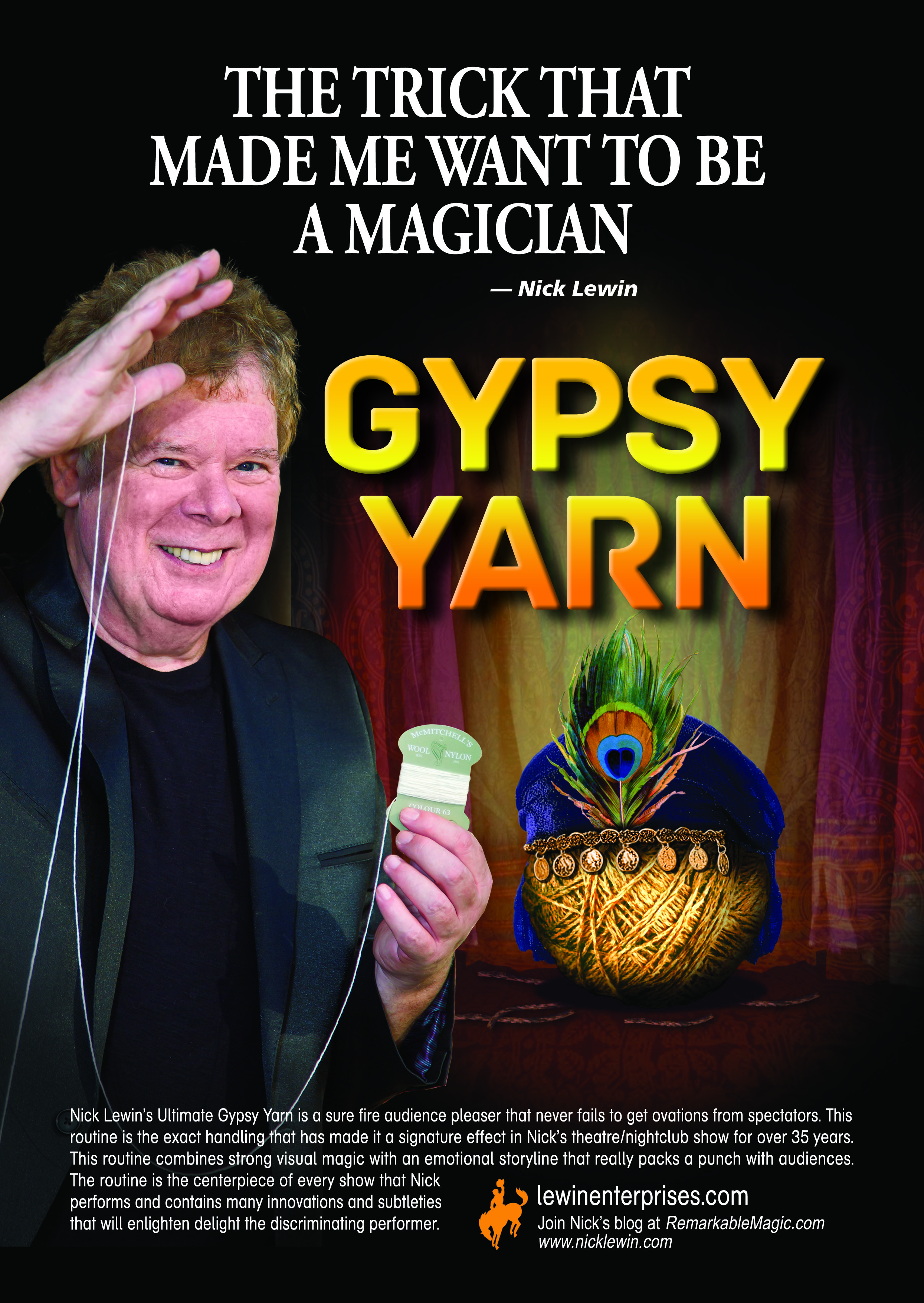
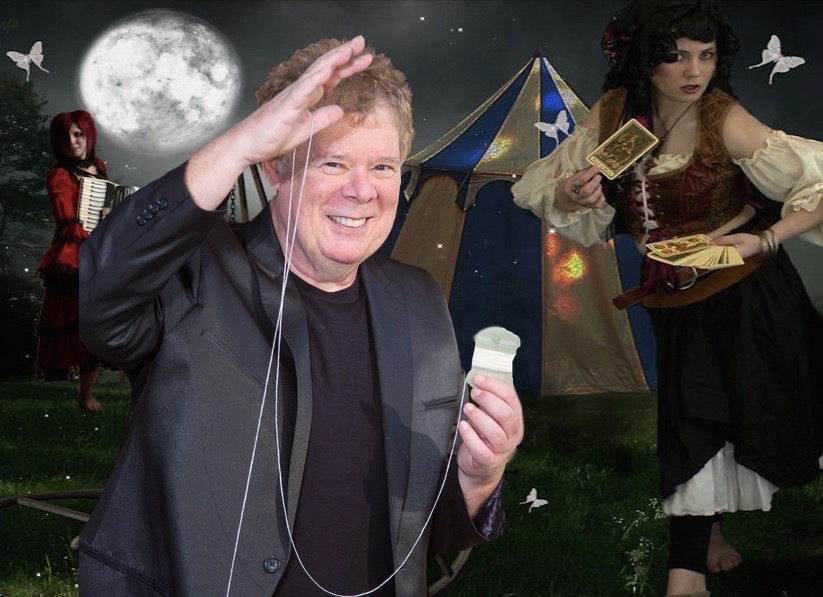
Look out for my new Ultimate Gypsy Yarn Routine, which is about to go on pre-sale. This handling teaches you how to turn a small piece of magic into a feature trick that fits flat in your top pocket! This is the trick that made me want to become a magician. You can check out my online magic store at www.lewinenterprises.com To get on the Gypsy Yarn pre-sale list contact us at lewinenterprises@gmail.com

Packing Small and Playing BIG.

•June 6, 2015 • Leave a Comment

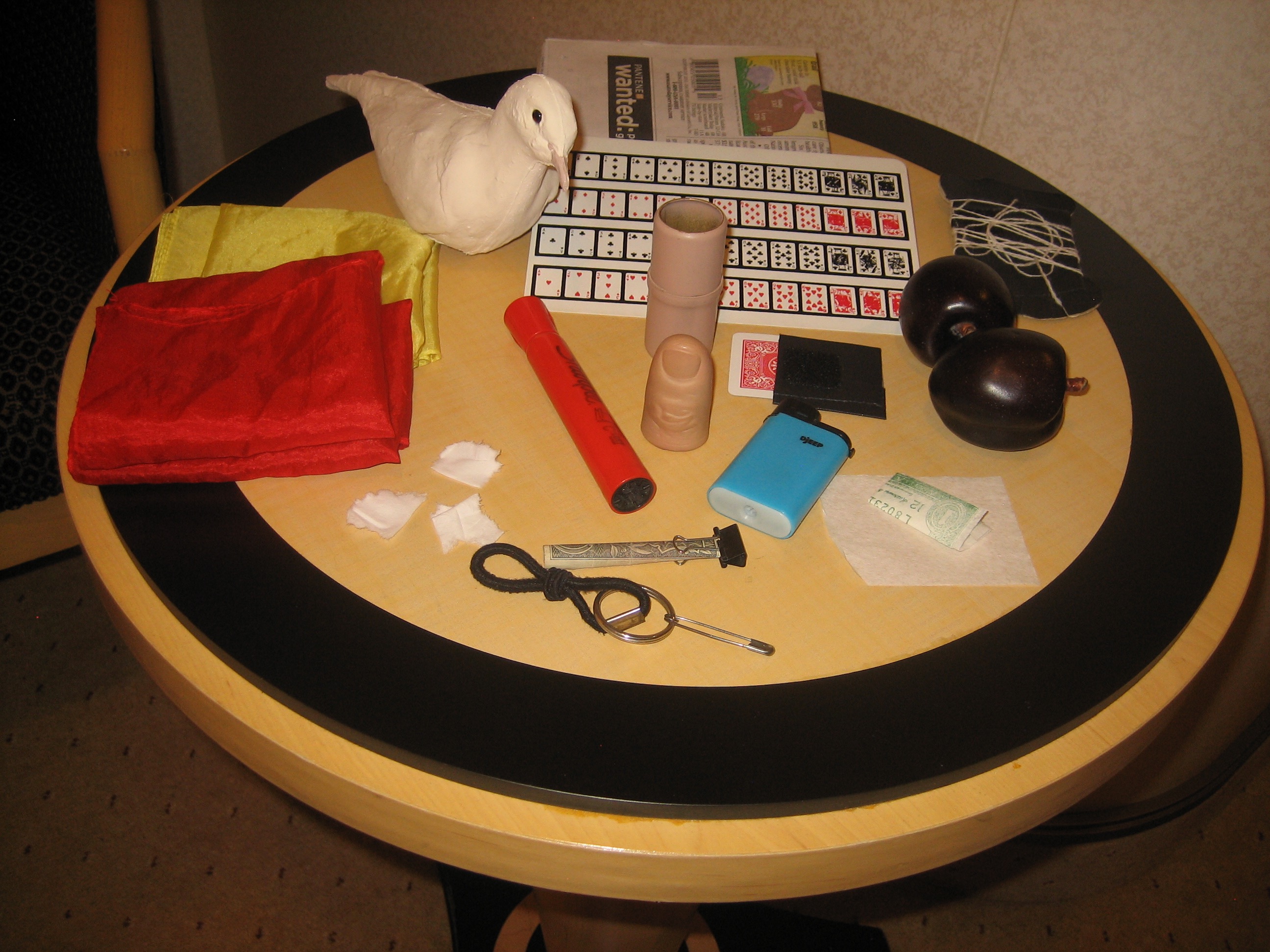
Pocket PropsI remember when I was a young magician spending hours and hours pouring over magic. There was a certain secret code involved in reading those catalogues and you learned the various phrases that they loved to apply to “reel you in!” First there were the ones that. seemed to make the effect as written even more impossible than the written description of the effect implied, some of my favorites were, 1    No Magnets! 2    Can Be Fully Examined! 3    No Threads! 4    No forcing! 5    No Mirrors! 6    No Palming 7    No practice required! 8    Can be performed surrounded! 9    Perfect for any ages! And to round out my top ten list, the ever popular 10  Packs Flat and Plays Big! In my younger days number 10 on the list wasn’t nearly as exciting as it seems today! When I was a beginner in the magic game I Old Casewanted to get as much prop for my money as I could. Bigger was definitely better for me in those days. I liked props and wanted nice shiny ones, or brightly painted boxes in red and gold. In fact when I was between the ages of 12 and 13 I put every single prop I owned on my precariously balanced tripod table in the hope of impressing the audience with my vast repertoire of tricks. Looking back it is just one of the dumb things I did that now make me blush at the memory. It really isn’t a very sophisticated approach, although I sometimes wonder if it isn’t a little part of the mentality that goes into some of the illusion acts I see performed today at conventions. NL GypsyYarnAd2Let’s take a closer look at that concept of packing flat and playing big, when I was a youngster it normally meant a flat, brightly colored, cardboard effect that could be posted too you very easily. I remember being disappointed frequently by the fact that the phrase was often code for “…and isn’t very convincing!” This wasn’t always the case but I do remember being less than thrilled with many of these items. For the last 30 years I have been very actively travelling to perform my shows, nowadays my schedule usually involves corporate shows in different cities both nationally and internationally, cruise ship bookings and performing arts centers/theatres scattered across the United States. Packing flat and playing big is a much more appealing feature to me. Actually, let me amend that statement, so that it reads, “Packing small and playing big.” There are an amazing number of very fine effects that can be achieved without a trunk full of props. When I am travelling I carry a catalogue case, which accompanies me on stage replacing a table, that when fully packed contains two fifty-minute shows and one thirty-minute show. All these effects are suitable for cabaret or stage performance The nice part about travelling like this is that if I am wearing a nice suit to travel in, I can perform a couple of full length shows even if the airline looses the rest of my baggage. I recently posted a picture on Facebook that received a lot of interest; it was the items that fitted in my suit with which I was able mirrorto perform a full sized 50-minute theatre show. They all fit into one of the larger sized purple Crown Royal bags. It is mighty powerful feeling to know you can do this. I remember back in my illusion performing days when a three-minute hunk of material could way 100 pounds and require two travel cases. You may wonder about how I have managed to make this minimum prop show really work for me, and work it does—I usually earning the same or higher fees than an illusion show. I am going to share with you one of the greatest pieces of advice I ever received from a performer, while it sounds simple DO NOT be fooled by how important it is; I was given this piece of advice by the great Maurice Fogel over 35 years ago. It changed my entire way of thinking about and performing magic. “It isnt about the props themselves, it is about the energy that you can transfer to the props and then transmit to the audience. There you are, a single sentence to think about but if you actually put it into application it can change your entire way of interacting with your show and your audience. I am delighted to share it with you fully aware that most readers will pass it by. However those of you who take the time to really reflect upon it, and apply it, will be able to use it to make your life easier, cut down your chiropractor bills and more importantly take your work to another level. Look out for my new Ultimate Gypsy Yarn Routine, which is about to go on pre-sale. This handling teaches you how to turn a small piece of magic into a feature trick that fits flat in your top pocket! This is the trick that made me want to become a magician. You can check out my online magic store at www.lewinenterprises.com To get on the Gypsy Yarn pre-sale list contact us at lewinenterprises@gmail.com Gypsy Yarn 3 copy