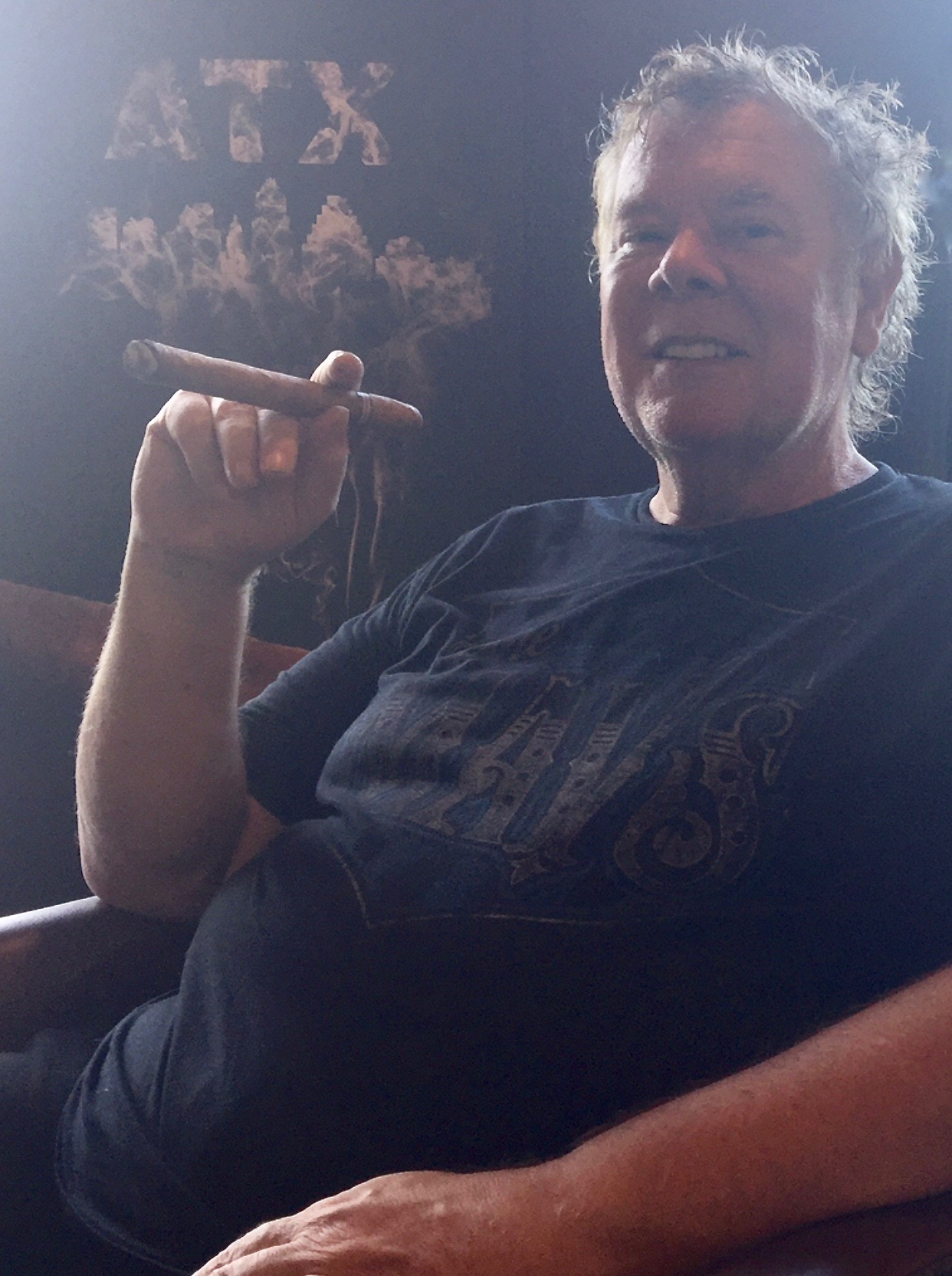
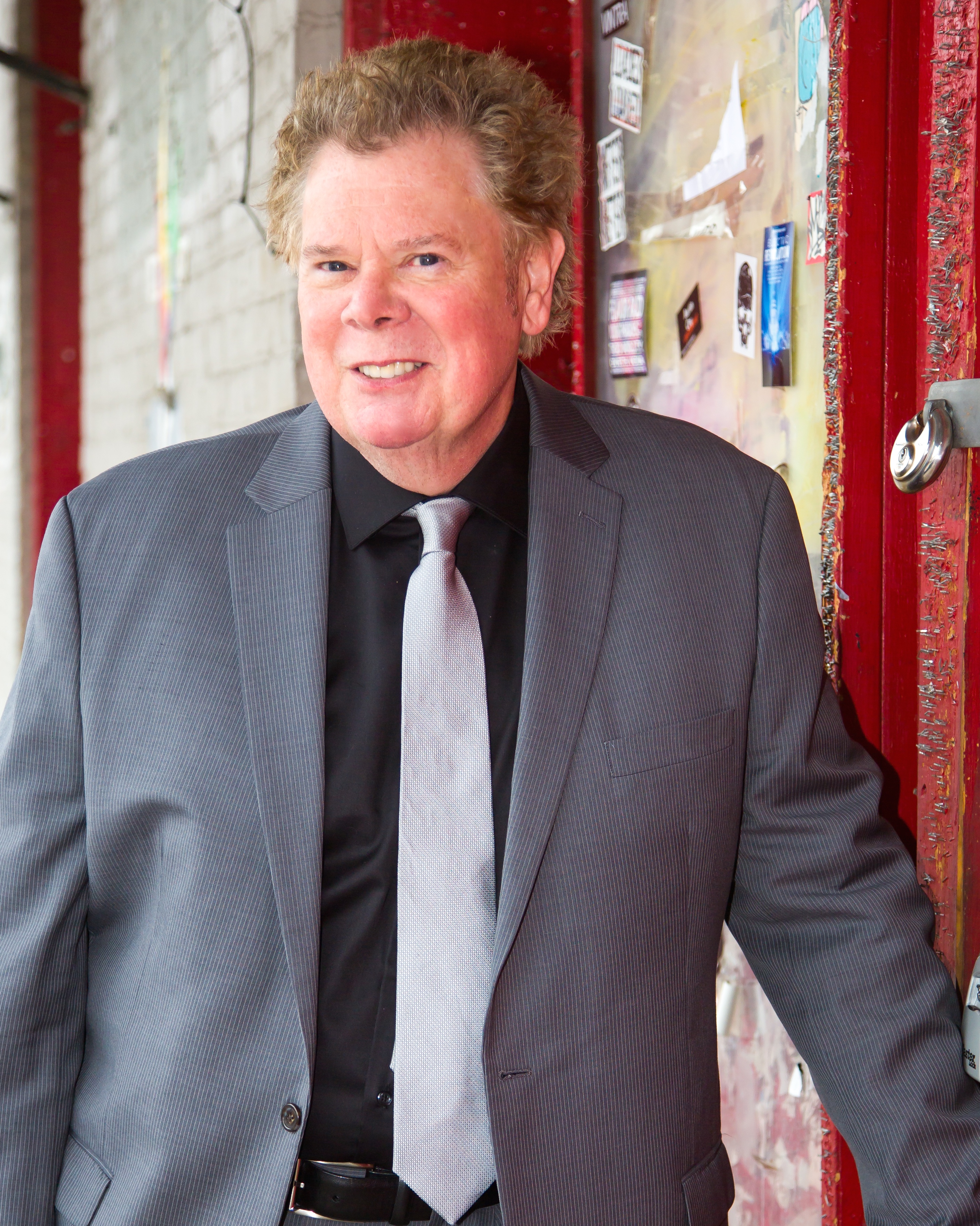
The AMA Award Show Downtown, and Shimada at the Magic Castle.

•May 4, 2018 • Leave a Comment

One of the delightful “extras’ to attending the Academy of Magic Arts recent Awards Ceremony on April 22nd was the opportunity to have dinner at the Magic Castle on Monday the 23th. Susan and I were in town to cheer on our dear friend Ray Anderson who was being awarded a Performing Fellowship at the Awards Night. We formed our core little Texan group for the Castle dinner with Ray and his husband Steven Michael Miller and Mark and Sue Holstein. The Sunday night festivities had included a fun pre and after award show party at the Magic Castle in addition to the the highly enjoyable awards show at the delightful Orpheum Theatre in Downtown LA.

Like all award shows this one ran a little too long. I must say that this one ran the shortest amount too long of almost any I have seen! Erika Larsen did a great job producing the show and her daughter Liberty kinda’ stole the show with her two vocal contributions.It was great to catch up with old friends from my Castle years. Having been a member since 1974 a lot of my early friends are now no longer with us, but the occasion gave one the opportunity to remember friends like Bruce Cervon, Billy McComb, Ron Wilson, Jules Lenier, Das Vernon, Charlie Miller and many others. There was also a fine assortment of old and new friends in attendance too catch up with and it was great to catch up with friends like, Johnny & Pam Thompson, John Carney, Paul Green, Marvin Roy, Mark & Nani Wilson and many others.

Following a great dinner at the Castle on Monday evening, we caught the first of six special performances in the Palace of Mysteries by the legendary Shimada. What a joy to watch this master of his craft performing again at the Castle. The very first time I saw him perform, with his partner Deanna, was in the very intimate Magic Cabaret at the Castle. They were a real eye opener to a young Brit magician. We went on to perform several times together, most memorably in Las Vegas and Hawaii and I will have to write a blog post about those two quite remarkable dates at some future point. But all those memories came rushing back sitting in the Palace of Mysteries watching the Grand Master perform. Did it seem the same watching Shimada without Deanna? No not really, they were truly one of the greatest equal partnership teams in magic. Sadly, Deanna is no longer with us and has joined my other dear friends who are now happy, vivid memories of when the Castle was younger, less well organized and even more fun. It was great to see the family legacy continue with the presence of Shimada and Deanna’s daughter Luna. She has the uncanny ability to remind me of both her parents at one and the same time, and that is one heck of a lot of charisma!


Shimada performed his immaculate manipulative and dove magic in the Palace that night. As fine and wonderful as his magic is, it has always been his unique presence and awareness of his uniqueness that have placed him in a different league to almost any other performer of his type. It isn’t the incredible and flawless appearance of the dove that makes his act so special, it is the way he acknowledges the audience’s reaction to its arrival that stamps Shimada as being one of the truly groundbreaking and one of a kind sensation. There is an indefinable class and attitude to his work and style that have left generations of lesser performers grasping for invisible straws if they try to duplicate it. It was great to see the 77 year old master at work, drawing gasps and applause as if they were a birthright. Maybe they are.


Well, it was a wonderful couple of days in LA and hat’s off to everyone involved with the Award Show (Thanks for the shout out in the script David Regal—a ’70s picture of my with a tightly curled “Afro” hairstyle earned me a nod from host Larry Willmore as an early inspiration to other African American magicians!) and the entire Magic Castle team who proved that you really can improve on every aspect of a classic nightspot without improving it totally out of recognition! I also must thank Ray Anderson, because I certainly wouldn’t have made the journey from Austin, Texas to Hollywood except to watch him accept an award that he so richly deserves. For quite a few years now I have been firmly of the opinion that Ray is the finest illusionist/magicians on the contemporary scene. If you have never caught his peerless work then I suggest you book a ticket to Austin and catch him in his 30 year performing home “Esther’s Follies” on 6th Street.  Just like Shimada, it does a performer a power of good to be able to settle back in their seat and watch a true master take our beloved art form and send it soaring through the stars.

Set up, Strike and Video Taping! Some final points.

•April 15, 2018 • Leave a Comment

How about the set up and strike?

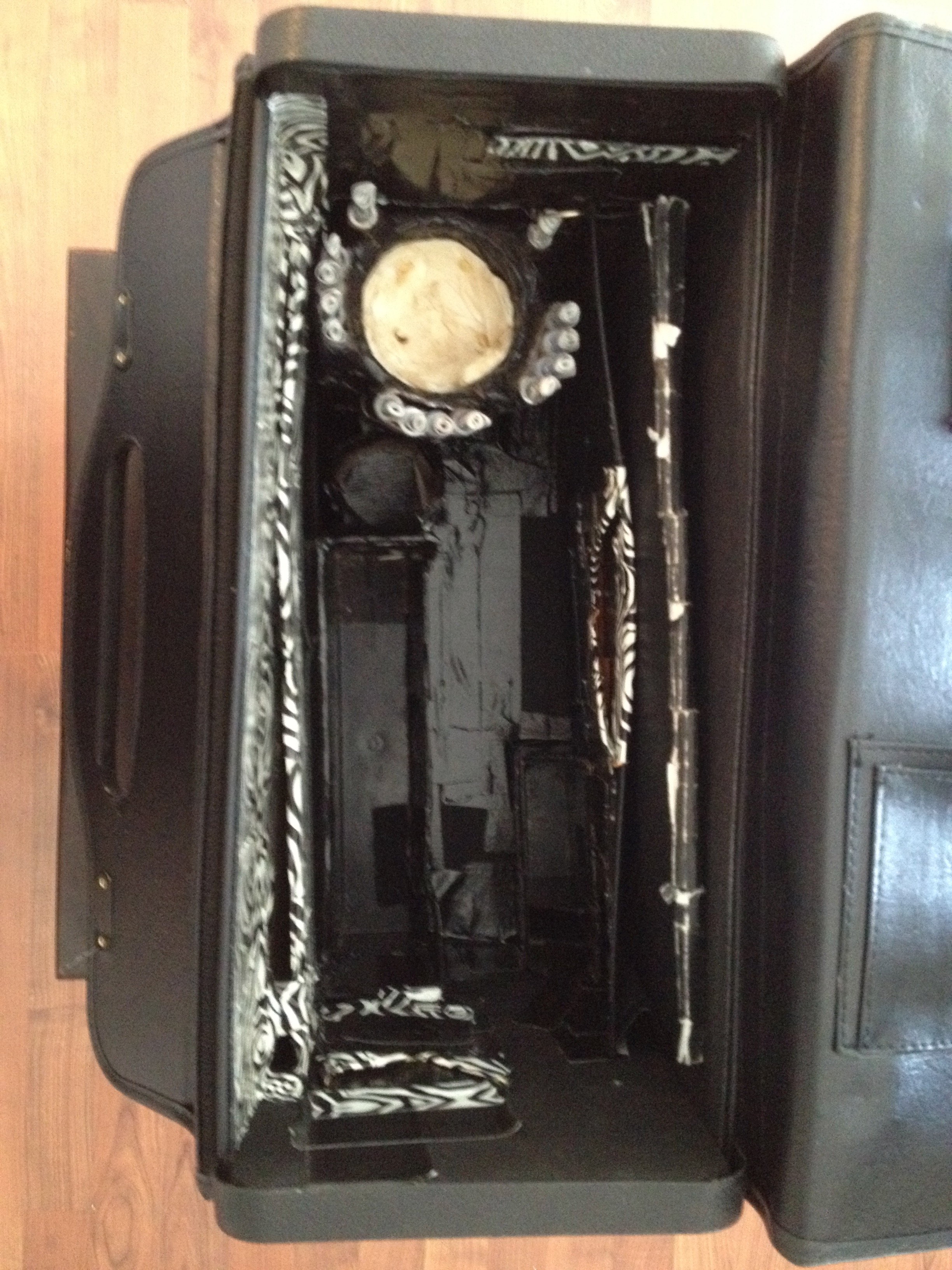
Setting up for your show is a two-part process, part of it is done at home and part at the venue. One of the best pieces of advice I ever received was from Roy Johnson, he said that he was happy to spend an extra hour setting up his props at home if it saved him ten minutes of time setting up props prior to the show at the venue. These are words I have lived by ever since. The more fully prepared for performance you are when you arrive at the venue the smoother things will go. I choose to work from a small case rather than using a table onstage. There is no question of needing to set that table onstage prior to show time and no chance of it being knocked over backstage. The goal is to be as self contained as possible, the less you have to worry about your props the more you can concentrate on your show.

Striking your show should be done as soon after the show as possible. You don’t want anyone “exploring” your props or over enthusiastic cleaning staff throwing away that crumpled empty paper bag that actually contains an expensive rubber bottle! Make sure you collect any equipment from the AV team such as receivers or other sound equipment as soon as possible to avoid them getting accidentally packed and removed.

Can I video my show?

 Now that high quality cameras such as Go Pros are available and easily affordable a great many performers carry one with them and want to record their shows. This might be done to study their shows at a later junction and other times it is to acquire footage for a future show reel. Sometimes it is acceptable and sometimes it is not. You are not being paid to rehearse or shoot a demo and you should leave the camera at home and just avoid adding another level of complication to an event. Many buyers are really not happy with a home movie being shot at their event. Certainly I have seen occasions when setting up a camera on a tripod was no problem but I have also seen many other times when it just looked pushy or amateurish.

If you are lucky enough to be working an event that includes iMag video incorporated into the performance you can certainly feel free to ask the client if they would be kind enough to allow you to have a copy of the footage that is shot. In this manner you will acquire high quality footage that can really be an effective tool. If this is the case don’t forget to offer the pay any costs involved and if they say, as is usually the case, that this is not necessary then you should slip the AV guy a little cash for his extra efforts.

An amplified word or two about microphones.

•April 10, 2018 • Leave a Comment

What about microphones?

 Here is an important topic that is often very misunderstood by beginners—and quite a few more experienced performers. The real role of a microphone is not just to make your voice louder but more importantly to allow you to speak more naturally, with greater dynamics, while of course amplifying your dialogue.  In this day and age a good wireless microphone system is integral to a quality performer. You can’t just turn up and hope the audio system works. A good microphone is a performer’s number one prop.

As a comedy magician having my words clearly understood and heard is vital to me. Let me tell you that in my (and many other top pros) opinion the Countryman E6 is as good as sound gets.  There are cheaper microphones that can get the job done but it is like buying a car; a Mercedes and a Hyundai will both let you drive from point A to point B, however they are not the same vehicles by any means. The good news about buying a top of the line microphone is that you are not talking about the same price difference as you are with a car! Unquestionably a wireless headset achieves the most natural and best quality of sound in almost any circumstances. There was a time when a lavalier microphone worn on the lapel was state of the art, that time is gone.

One of the great benefits of the Countryman unit is that it has replaceable cables to attach it to transmitter unit in your back pocket. This is almost always the link in the system that gives out and instead of having to replace the entire microphone, or send it away for repair, you can carry a spare cable and replace the faulty cable in a matter of seconds. I carry all the leads and plugs needed to attach my microphone to a receiver/transmitter supplied by the venue if at all possible. I also carry a Shure wireless receiver and transmitter unit to augment my Countryman microphone if needed and this combo works very well.

You are going to have to arrive at the venue early to have a soundcheck before the room is filled with your audience, a bit of a pain but important. You must always request a handheld (wireless) microphone on a straight microphone stand as a backup. This microphone can also be used by whoever is introducing your show. You should also always carry a good “round the neck holder” to use if your wireless microphone gives out or there are any other problems.  I could, should, and probably will write an entire article on the subtleties that I have been unable to cover in this brief audio primer.


Drinking on the job, plus setting up and striking the show.

•April 8, 2018 • Leave a Comment

Can I have a drink?

Very often a client will invite you to have a drink either before or after your show and when this is the case there is sometimes a fine line between being rude and being professional. I think the general rule of thumb is that it is better not to drink around/with the client prior to show time: if something goes wrong it is wiser not to have been seen at the bar or to have alcohol on your breath. After the show it is another matter; if your client invites you to join them for a cocktail then, by all means, do so, just don’t get drunk or raise your alcohol level to a point where it would be illegal to drive home. If all this sounds like standard common sense realize that this is not always the way things work out in the real world. Your client may well be ecstatic about a successful event and knocking back tequila shots at the bar, but you are a paid guest at this event and joining him in the process does not make you one of the team or his new best friend.

Another common courtesy extended by clients is to invite you to join them for dinner prior to the show. I strongly advise against taking them up on this good-hearted gesture; you are there to work and not to eat. I thank the client profusely but decline the offer on the grounds that I prefer not to eat prior to performing. You really have nothing to gain by being around the audience prior to show time and it is much better to keep yourself well hidden from your audience during dinner. It is a much better impact when the audience’s first sight of you is when you arrive onstage. Personally, I don’t like having food sent backstage or kept on hold till after the show because it confuses the issue, and once again you are nota guest you are working. Throw some protein bars and trail mix into your working case if you are the kind of person who needs to eat immediately prior to your show.

How about the setup and strike?

 Setting up for your show is a two-part process, part of it is done at home and part at the venue. One of the best pieces of advice I ever received was from Roy Johnson; he said that he was happy to spend an extra hour setting up his props at home if it saved him ten minutes

of time setting up props prior to the show at the venue. These are words I have lived by ever since. The more fully prepared for performance you are when you arrive at the venue the smoother things will go. I choose to work from a small case rather than using a table onstage. There is no question of needing to set that table onstage prior to show time and no chance of it being knocked over backstage. The goal is to be as self-contained as possible, the less you have to worry about your props the more you can concentrate on your show.

Striking your show should be done as soon after the show as possible. You don’t want anyone “exploring” your props or over-enthusiastic cleaning staff throwing away that crumpled empty paper bag that actually contains an expensive rubber bottle! Make sure you collect any equipment from the AV team such as receivers or other sound equipment as soon as possible to avoid them getting accidentally packed and removed.


Kids in an adult show and tragedy in the air. Two difficult series of choices.

•April 6, 2018 • 2 Comments

What if there are kids in an adult show?

It is always difficult if you have a bunch of kids in an adult show. The magician has to fight the time-honored misconception that magic is primarily an entertainment for young kids at a birthday party. Never let the adults in the audience take the irritating and patronizing stance of merely watching the kids reacting to the magic show; make sure they realize that the adultsare the focus of your material.

The very worst thing that can happen in a situation like this is if the kids are ushered into occupying the front rows of the crowd. Generally speaking, if kids are seated with their parents scattered throughout the audience they behave just fine and you don’t have to adjust your show much. On the occasions when I have been stuck with a couple of rows of kids in front of my target audience of adults, I have a tendency to pretty much ignore the youngsters and quite literally work over their heads. Just bringing them into the action on one or two occasions eliminates any perceived insensitivity in this maneuver.

The major concession I make in these circumstances is to have a trick with me that I can add, that directly plays to the kid quotient in the crowd, and present it with a slight wink and a nod to the adults as if to say, “Let’s humor them a little!” I use either the Cards Across or the Six Card Repeat in this manner; both tricks I always have with me but seldom slot directly into the running order of my main show.

I probably don’t need to mention that you should cut any devastatingly unsuitable material if you find a contingent of kids out front. You might not offend the kids much, but you will almost certainly upset adults who are offended for kids in the audience who aren’t actually their own offspring.


Should I be funny if the group faces tragedy?

Yikes, questions don’t get much tougher than this.  The answer is usually yes if that is what is requiredof you, but only after you have allowed the audience to appreciate that you understand the situation and have reservations about doing so. I performed to several hundred New Yorkers the day after 9/11 and I certainly had NO desire to do my comedy show. My employer made it clear that it was not my choice so after acknowledging that it didn’t seem right to be laughing, I did the funniest damn show I could. Somewhat to my surprise, it worked just great. I was amazed and touched by how many people, including several who had lost friends and loved ones, came up to me after the show and told me how much it meant to them to have got an hours escape from grim reality into laughter. On that occasion my employer was right and I was wrong, and in fact the comedy I performed truly proved cathartic. However, it was certainly not an easy call and in my opinion, it could have resulted in a psyche-scarring failure.

Some Good Tricks NOT to do in your show!

•April 4, 2018 • Leave a Comment

What tricks should I avoid?

 Magic has a general reputation of tending towards the dated, sexist, and misogynistic and having watched a great deal of magic over the years I would have to say that this is often a fairly well-deserved observation. The take away from this statement (a statement that is bound to be disliked by most magicians) is to avoid tricks that are in any way dated, sexist, or misogynistic. The key factor towards applying these criteria is to remember that you should be judging this from a contemporary and youthful viewpoint and notyour own. Magicians revere the past probably more than any other group of entertainers and it often affects our relevance to our audiences.

On a more specific note, it is a good idea to avoid any trick that has become so familiar to an audience that they groan when they see you starting to perform it. This really comes down to what the average person is seeing on TV. Interestingly enough there are many older effects that are now relatively fresh to an audience, so try to be very aware of judging the mood and reaction of the crowd when you start a routine. There are a great many tricks to choose from in magic’s database and an unlimited amount of interesting variations to throw into the mix. Don’t be influenced by what tricks you see other magicians perform or you start the search for originality on the exact wrong footing. Conversely, it is definitely not safe to say an audience will respond to a trick just because it is brand new in effect or method. Especially method!

There are, however, many tricks that are familiar and have been performed repeatedly because they have stood the test of time. The burnt and restored banknote is a plot line that resonates with any audience due to the situational comedy inherent in the action. I perform a burnt bill routine that hinges on the fact that the audience knows pretty much exactly what will happen the moment the trick begins. I pull the rug out from the audience expectations three separate times and add two big surprises before the routine concludes. In other words, I have very carefully taken a time-proven effect and repeatedly used a one-ahead principle to increase the interest of the audience. I hate to say it but changing the Bill in Orange to the Bill in Grapefruit doesn’t count!

Mixing close-up and stand up for a booking.

•April 2, 2018 • 2 Comments

What if they want me to do close up?

 Many performers like to perform walk around close-up magic in the cocktail hour and then an after-dinner show. Personally, I am not a fan of this process, but different strokes for different folks. The process of doing strolling magic and being a featured after-dinner entertainer is very different. If the audience thinks of you as a magician doing card tricks table to table do they approach your formal show in the same way? If you are getting the equivalent of two separate salaries then you certainly do have a serious financial incentive to do a double booking. If, however, it is just a “throw in” then it may not be such a good idea.

One thing that marks a true pro in the magic business is his ability to present himself as a specialist in his chosen area, this also allows him/her to charge higher fees. Personally, I cringe when I see a magician’s website or business card stating he specializes in Kid’s Shows, Corporate Events, Close-Up Magic, Keynote Speaking etc. etc. What he is really saying by trying to be all things to all buyers is that he doesn’t specialize in anything. If you want to present yourself as available for a large variety of different kinds of events then have a series of separate business cards, brochures, digital flyers, and websites that focus your claims and mark your turf.

Sometimes when a client is very set in involving close- up with my stand up work I will suggest that I hang around a little after my performance and do a little close- up for the head table or key individuals. Once you have established yourself as a stand-up performer then it is a very different process to entertain with some intimate magic. You are offering a legitimate bonus to your client without invalidating your “celebrity” status in any way. This is also a fine way to allow attendees to seek you out and exchange business cards or discuss their own potential bookings.


Linkage and the length of the show. Make or break matters.

•March 30, 2018 • Leave a Comment

What is Linkage?

The most overlooked way for a hobbyist to improve his performance is by working on what goes on between the tricks in his show. When you watch a truly seasoned professional comedy magician perform you will notice that there is never (unless he/she chooses to intentionally switch gears) a moment when one trick ends and another begins. Linkage is a useful term to cover the action of a smooth and seamless transition. A few focused lines of dialogue or comedy material can get the job done; “For my next trick….” doesn’t!

A visual gag can be a perfect way to break the mood from one effect and move into another. A magical running gag that builds with continued failures or postponement such the “Eggs in Glasses” prior to a successful denouement is a perfect form of linkage. One of the hidden benefits of carefully constructed linkage is the opportunity to use it to increase the texture and variety that is such an important element of a successful act. The thoughtful performer will spend just as much time planning what goes on between the tent pole moments in his show as he will his featured highlights. Tricks are the building blocks of a show, linkage is the cement that turns those bricks into a solid structure.

How long is the show?

 The old cliché about always leaving them wanting more, like most clichés, is well worth keeping in the back of your mind.

Nick

However, sometimes a booker or client will come up with a time structure that is perched somewhere between random and ridiculous. Let’s talk about the after-dinner show here. When a buyer says they want an hour show for their banquet event they probably have no idea how long an hour can seem to a group who have already spent several hours nibbling on appetizers, drinking cocktails, listening to speeches, and eating dinner. The client may just be looking on an hour as a nice round length of time and they may not be looking at the big picture.

Sometimes the reverse can be the case and a client says, “Oh, I just need a ten-minute show.” Well for most performers, we will eliminate manipulative acts here, ten minutes is just too short a time to establish who you are and what you do. The great Billy McComb used to respond to requests like this by saying, “Of course I can do ten minutes. Now, in ten minutes I can either have a card selected and not find it, or find a card that no one selected. Which would you prefer?” Generally speaking the far less common request for a show of such a short duration is based on the theory that the performer will charge less for a brief show than a longer one. As if doing ten minutes instead of 30 in any realistic way affects the time we will devote to the overall execution of the gig.

In my experience, when dealing with a buyer, and here I am largely excluding experienced agents and producers, the secret is to really talk over the details of the gig. Ask pertinent questions and really listen to the answers. Incidentally, this is also the best way to fine-tune what salary you are going to ask for your performance. How many people will be present? What is the schedule for the evening? What are the seating conditions? How about the sound, stage, and lights? The very fact that you are asking these questions turns the situation around and makes you the expert whose opinion is most likely to be correct.

While in most situations the length of the show is probably negotiable, you should have a pretty good idea of your most effective running time for any given occasion so steer the buyer towards that goal. Beware of promising more than you deliver, as long as they know in advance almost every client would rather have a strong 45-minute show rather than a 60-minute show that falls flat and withers after 45 minutes.

On a personal level, and as simple as it sounds, it took me years to formulate and assimilate the following procedure. I usually suggest to the client performing a 45-minute show and if the audience is really having a blast doing an extra couple of tricks. Sometimes, I also mention that if the event is running late, and the audience is getting tired, that we might tighten the running time to more like 35–minutes. This whole process gives you some nice wiggle room and is usually welcomed by a savvy buyer.


A few notes on my current series of blog articles……

•March 30, 2018 • Leave a Comment

I have received many emails about my recent series of blog posts. It was interesting to note that many of the items that I thought were very basic, and indeed pretty much no-brainers, received quite a bit of discussion. My answers are not intended to be definitive responses, but rather launching pads for an existential inner dialogue. Often formulating and articulating the correct questions is just as important as the answers you come up with. The longer that you perform the more you realize that the questions don’t really change while the answers often do. It is rather Zen in its own way.

These next blog posts will be useful to any performer who is attempting to turn performing shows into a money making proposition. The focus of this article is primarily for the after-dinner, corporate or private banquet style performer. There is a seemingly endless list of magicians who consider that they are fully equipped and deserve to accept payment for a show. However, it is the performers who have deeply explored the kinds of topics featured on these checklists that actually deserve to be getting paid for a gig.

As I always like to emphasize, job number one for any performer is improving the show (not just the tricks, but the show itself), and making sure that it is as strong and versatile as it can possibly be. If you become obsessed with your marketing plan at an early point in your career, you are probably putting the cart before the horse because a strong show has a tendency to market itself. Next week we will get on with the remaining blog posts!


Back Ups, Non Arriving Props, and Oh, My—What to Wear!

•March 28, 2018 • 4 Comments

What are my back-up tricks?

  It is vital to have a couple of back-up tricks with you for each and every show. Things can go wrong; in fact it is a sure fire guarantee that over the years things will go wrong. Your job as a professional is to be absolutely capable of doing your full time without the audience getting any hint of unseen performing trauma. If your table gets knocked over while it is being set, and your props scattered on the ground backstage, —you still need to have material enough to cover your show.

I personally have my Cards Across, 6 Card Déjà vu, Coin in Bottle and Linking Finger Rings with me, on my person, at all times and at every show. It is a powerful feeling of confidence to know you are fully prepared for anything. With these four tricks, that fit in an inside jacket pocket, I actually have a totally balanced and strong 30 minute show at my fingertips. If the show is running short for some reason, I can rectify the situation by adding one of them. If the audience absolutely insists on an unexpected encore you are ready to go.

What if my props do not arrive?

 No matter how tough flight restrictions are, you should be able to carry a full show with you in your hand baggage. Even if you end up on some God forsaken puddle jumper of a plane, that won’t allow you to take your props with you inside the plane, you should have a mini box/bag inside your working case that contains the bare necessities of a balanced show. This is your first duty as a travelling entertainer. Make sure that you don’t have so many electronic and video items with you that your props take second place. You will see my luggage in the photo here they contains a lot of clothes, a mini tech store and performance wise 2×50 minute and 1×20 minute shows. 90% of the props are in the larger of the two small hand baggage. The larger blue suitcase is a Travel-Pro which in my opinion is the lightest and best made case you can buy. Inside my checked case is a small GPS unit called Lugloc (70 bucks) that uses Wi-Fi, Cellular or bluetooth to tell me, on the map, where my case is anywhere in the world should we get separated. The service costs about $8 a month and is GREAT. Their URL link is https://lugloc.com

It is also a wonderful exercise to make sure you can put on a decent show with just items you can easily find on location or acquire with a simple visit to a couple of local stores. There have been several books/DVDs on this topic and I plan to add another to the mix in the near future. Once you have been placed in this “no prop” situation a few times, you really appreciate the importance of being fluid and flexible enough to make your show work in ANY conditions, and that includes having your props go missing. Always remember that YOU are the show and not the little overpriced gimmicks you bought from an online magic store.

                        What do I wear?

 You should wear something suitable for the act and also suitable for the audience. Whatever you wear should be high quality, well pressed and accompanied by shoes that are well polished. Generally speaking if you are working a business or social event then you can’t go wrong wearing the same level of clothes as the audience or slightly better. If they are wearing suits then you should be in a suit, if they (God forbid!) are wearing tuxedos then you should be in a tux. If the audience is casually dressed then you should be a notch above them, i.e. If they are in shirts then you wear a jacket, if they are wearing jackets and open neck shirts then you should wear a tie.

I think it is a mistake to look too formal if the audience is casual, you don’t want to look like the maître d’ by dressing in a tuxedo if the rest of the group are dressed in golf clothes. Billy McComb always used to point out that your outerwear should be top notch also. No point in wearing a slick suit topped by a tacky, greasy raincoat. Billy also has a wonderfully detailed regime for keeping your nails spotlessly clean in his book McComb’s Magic: 25 Years Wiser.