Our guest on this episode was the gorgeous and talented Melissa Anderson we were very excited to have her visit with us in Las Vegas and drop by the studio to discuss her amazing career.

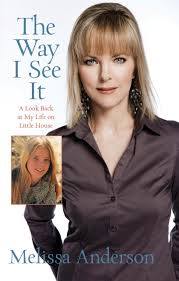

Our guest on this episode was the gorgeous and talented Melissa Anderson we were very excited to have her visit with us in Las Vegas and drop by the studio to discuss her amazing career.
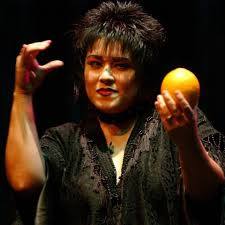
Luna is a wonderful performer and a very good friend. We recorded this interview in 1988, and she performed a very nice Gypsy Thread on the show live. Luna’s father is Haruo Shimada and her mother was Deanna, who were one of the finest magic acts the world has seen. Luna keeps up the tradition very nicely!


Max Maven is one of the most influential and vital thinkers in the magic world. His contribution as thinker and performer in the field of mentalism is truly immense. I had the great pleasure of interviewing Max on The Entertainment Files when he was in Las Vegas headling at Caesars Magic Empire. I hope you enjoy our conversation.
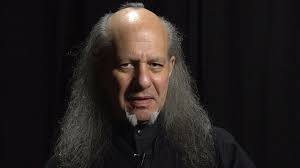

I have always been a big fan of Jeff McBride, and when I was filming my CW Network show “The Entertainment Files” in Las Vegas in the late 1990s I was delighted when Jeff Joined me on the show for the following interview. I thought it would be fun to post some of the cool magic interviews we did. Enjoy.

This is an extended version of the Vanish Magic Magazine article that I recently wrote about Comedy Magic legend John Ferrentino. I wanted to post this full version of the story as it does contain some things I hated having to edit!
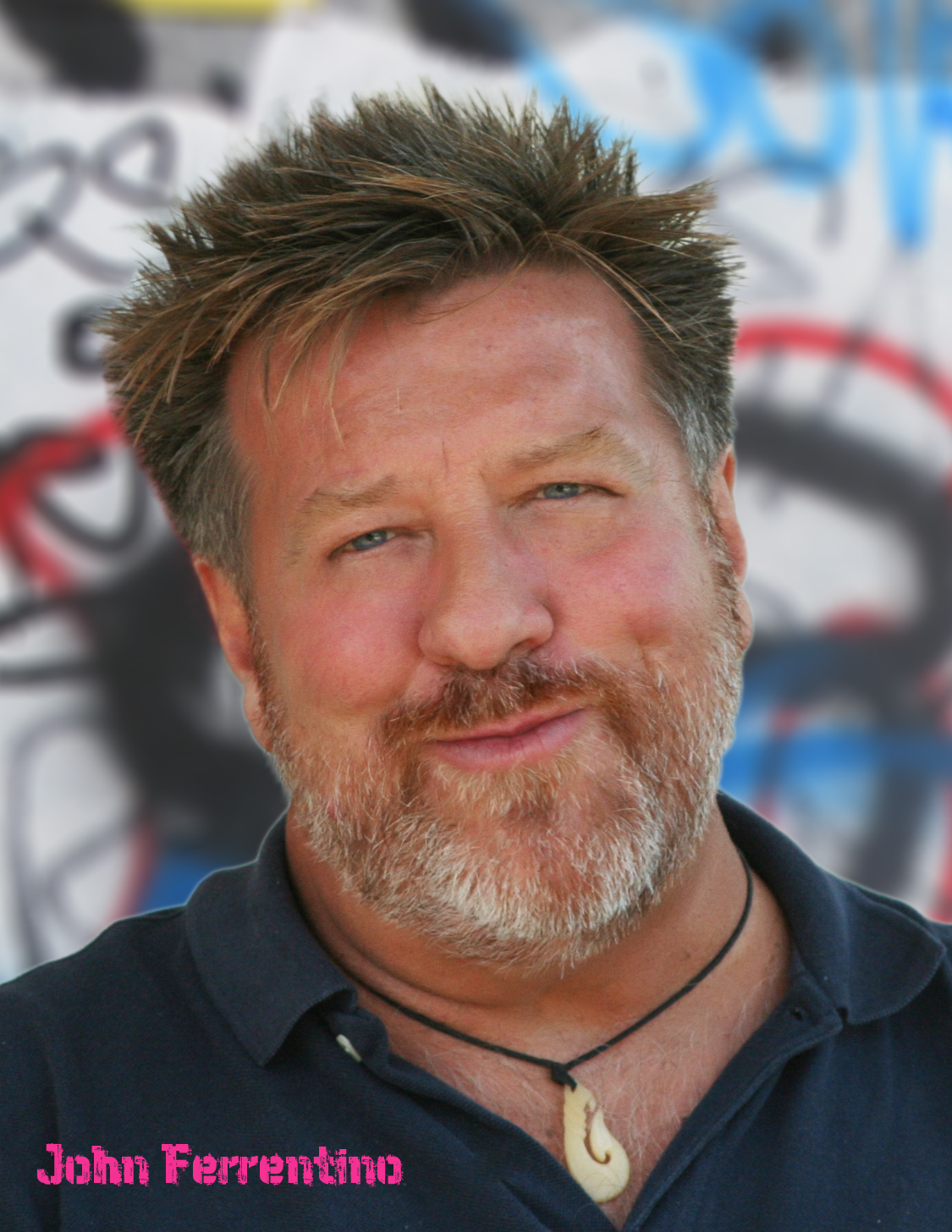 Back in the ’80s, when comedy clubs were at their golden peak, there were a handful of performers whose 8X10 photos would inevitably spring up on the walls of the showrooms. One of them was John Ferrentino. He usually had a hatchet dissecting his head in the picture. John has a fascinating and successful career, continually reinventing himself and adapting his performance to conquer fresh markets with his unique hybrid of comedy and magic and taking it to new places. I recently had the opportunity to interview John and catch up with the latest, somewhat surprising, trajectory in his illustrious career. He also shares some great advice for younger magicians that is sage, simple, and priceless.
Most magicians can trace their interest in magic back to the gift of a magic set; for Ferrentino, this is doubly true. The first occasion was at the age of seven when his Grandfather gifted him an elaborate box of magic tricks. “I started to learn all those tricks until I lost the parts,” says John, “and then I went on to read every book on magic that he could lay my hands on!” However, John’s interest in magic quickly fell dormant as he became absorbed in the process of growing up and learning a “legitimate” trade. Upon graduation, Ferrentino became an x-ray technician at Albert Einstein’s College of Medicine in New York. John was now living in Long Beach (Nassau County — south of Long Island) with a consequential job that paid a salary large enough to enable him to drive a flashy sports car. He seemed to have forgotten magic, but under the surface, his love of magic was still smoldering and waiting to become reignited.
When he was 23 years old, Ferrentino saw a street magician performing the Chinese Linking Rings on the steps in front of the New York City Library. He was instantly captivated by this performance of the rings and watching the magician perform his routine repeatedly. John went directly to Tannen’s Magic Shop and bought a set of Linking Rings. He spent the next two years working on those six-inch linking rings. “I didn’t know how to do any magic, but I was good at linking rings.” Ferrentino jokes. He told a friend about the magic set his Grandfather gave him, and his friend bought him a small magic set as a joke. Instead of merely laughing, John realized just how intensely his interest had become rekindled. He discovered that a professional magic shop had opened in the local mall. It was called The Magic Shop, soon John was working behind the counter, and eventually became the “house magician” and thus acquired his first paid bookings.
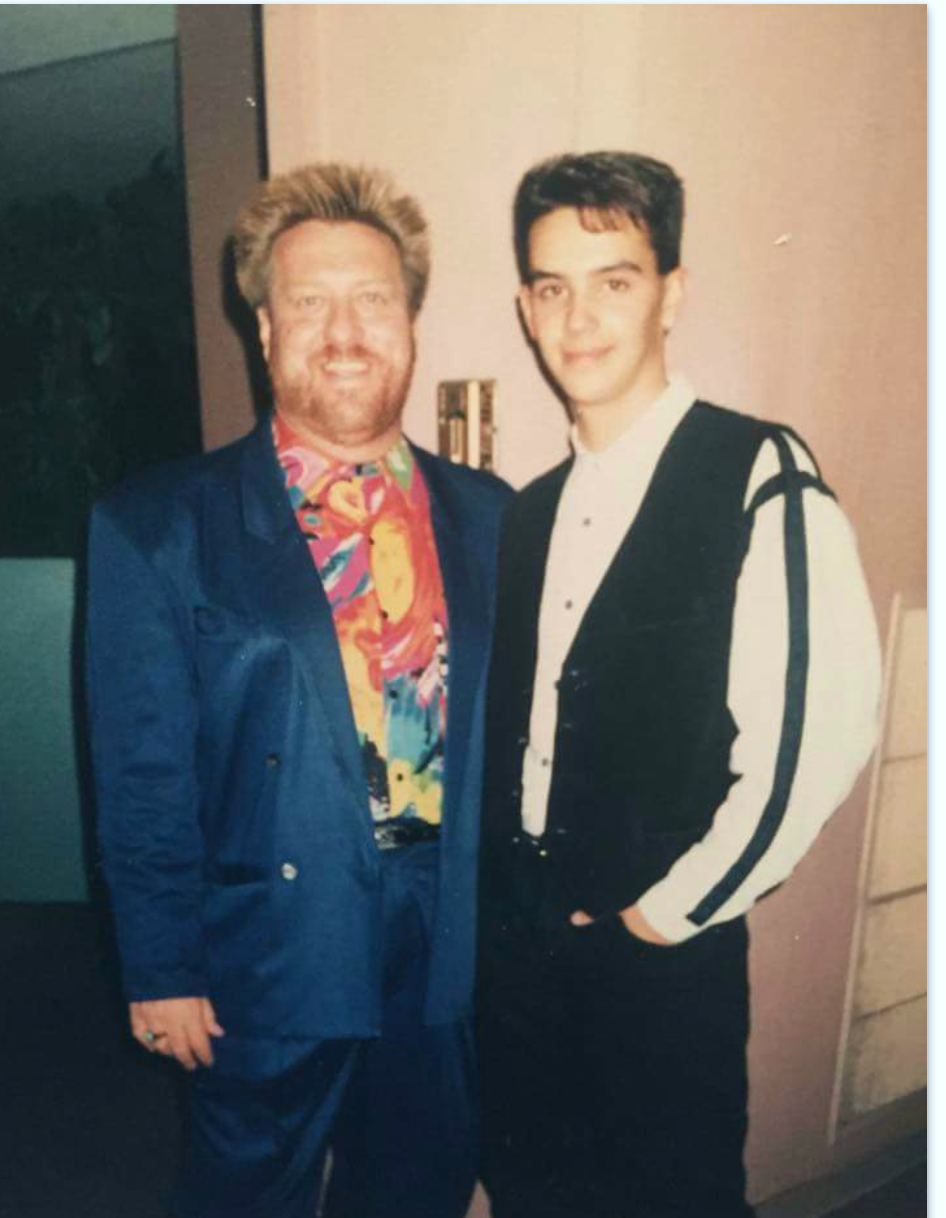 During that Summer, John became a firm favorite at the Tannen’s Magic Camp, where he impressed, and struck up a life long friendship, with a youthful Michael Carbonaro. Before long, Ferrentino started teaching a magic course for the Arts Students at Hofstra University (Long Island). He locked in this job despite a lack of teaching credentials with a performance of Scotch and Soda. “At this time, I was only performing serious magic,” Says Ferrentino. “I did not know that magic could be funny.” It was not long before John discovered exactly how funny his magic could become.
One day Ferrentino’s mother told John that someone had opened up a comedy club in the neighborhood. The club was called “Richard M. Dixon’s White House,” and it was run by a Richard Nixon look alike. Before long, Ferrentino found himself performing at “The White House,” along with six Long Island comedy performers. The group included another young rookie performer named Eddie Murphy. “Those guys were all so funny that I was really nervous about performing my magic show,” says Ferrentino. “At the end of the evening, I walked up to one of the comics and said, ‘You’re all so funny. How long have you been performing?” Ringleader Richie Minervini replied, “About two weeks. Do you want to join us? You can start next week because I have seven comics, and I need to find a serious act to split them up!” Ferrentino said, “Yes!”
“I started performing at the club doing my serious magic act between all of these hilarious guys, and I did pretty well,” says 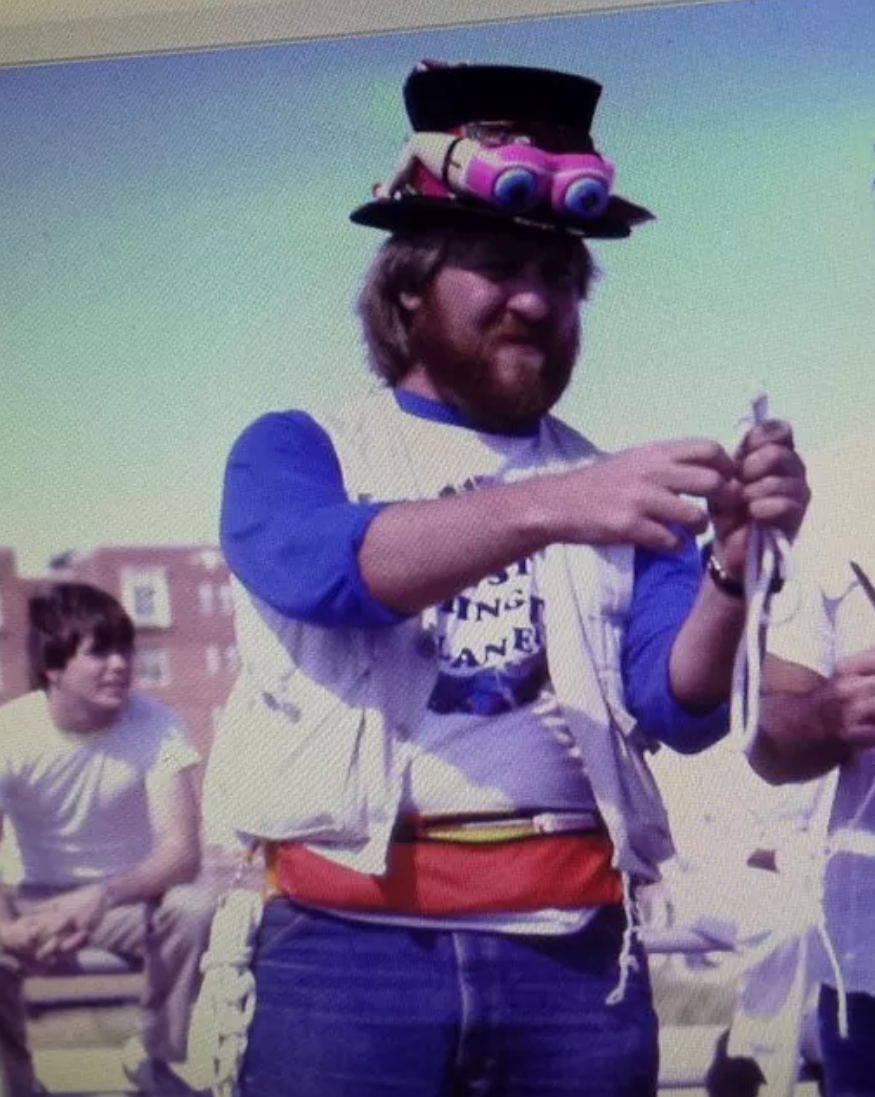 Farrentino. “Every time the comedians got a show, they would say, ‘Let’s take Ferrentino on the gig because he’s not a threat to us.'” In this way, John formed a strong bond with the young comics who were quickly becoming the powerhouse guys on Long Island. Sitting backstage in the green room with the comedians between sets, they would quiz John on his act, asking him questions like, “How do you do that trick where the cane appears?” “I’d show them,” says John, “but I would add little comments like, it’s easy—$29.95. I just made fun of the magic I was doing to make the comedians laugh.”
One night working to a particularly lousy audience one of comic said to John, “Why don’t you go on stage and do your act the way that you do in the dressing room, and we’ll come out and sit in the audience.” The audience loved it, and that night a comedy career was launched as John first exposed an audience to his trademark attitude of deadpan sarcasm. Walking off the stage after that show, he remembers thinking to himself, “In the three years that I have been performing, that’s the first time that I have ever really had fun!”
John was still working as a radiology technician, which was a blessing as the comics were only getting paid five dollars a show 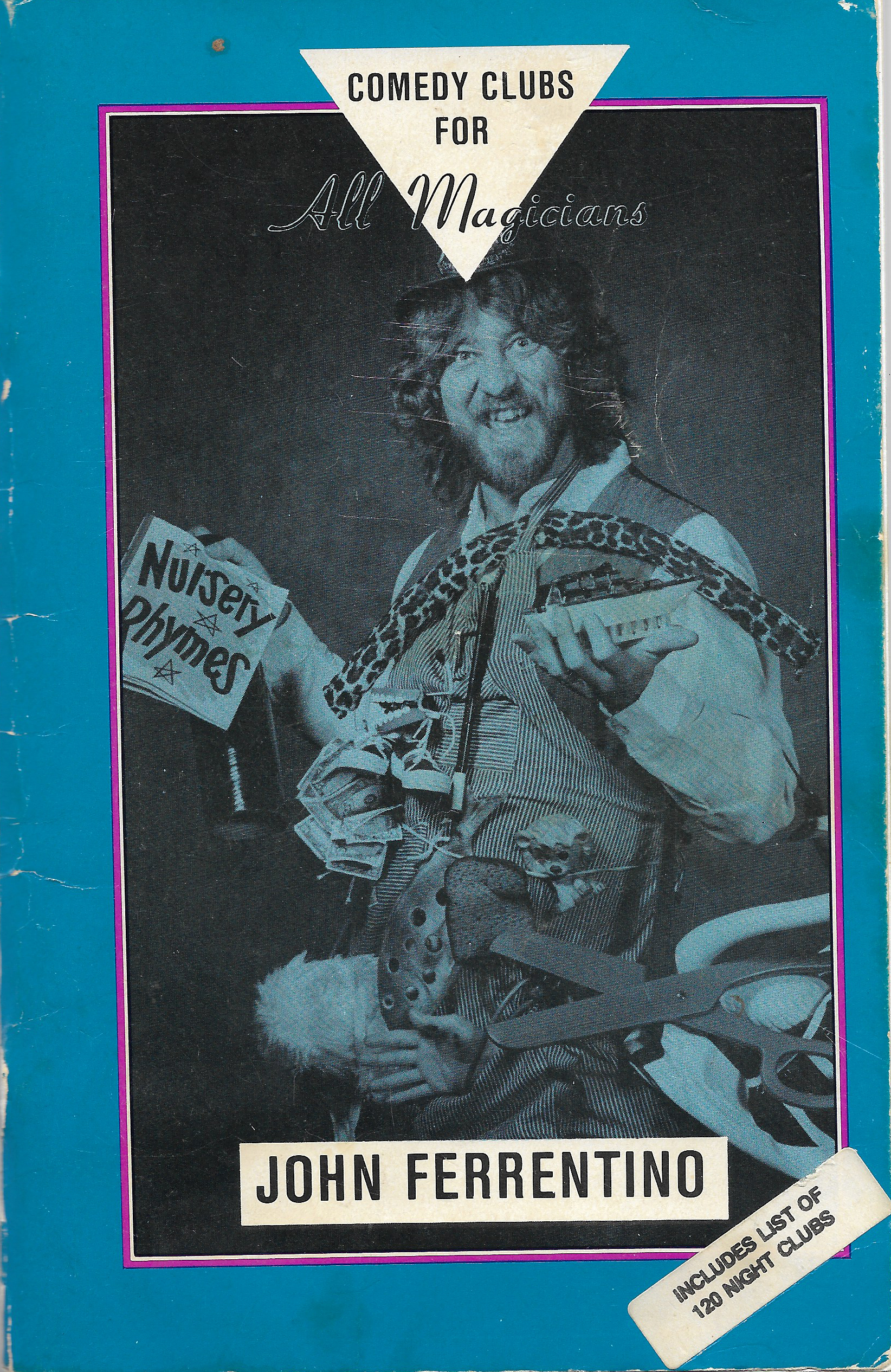 to work at Dixon’s. Eventually, Richie Minervini opened up The Eastside Comedy Club in Huntington, which quickly became the hotspot for comedy on Long Island. Rosie O’Donnell, Eddie Murphy, Kevin James, and Ray Romano were amongst the talent that came out of the club. Even New York comics such as Jerry Seinfeld and Jackie Mason trekked to the Eastside Comedy Club to perform drop-in sets. Says John, “There was quite a separation between the New York and the Long Island comedians—it was like the Jets and the Sharks!” However, every comic loves a free stage, complete with an enthusiastic audience. “The Eastside Club sort of became our clubhouse,” says Ferrentino, “And no matter where we worked, we’d all end up there at the end of the night.
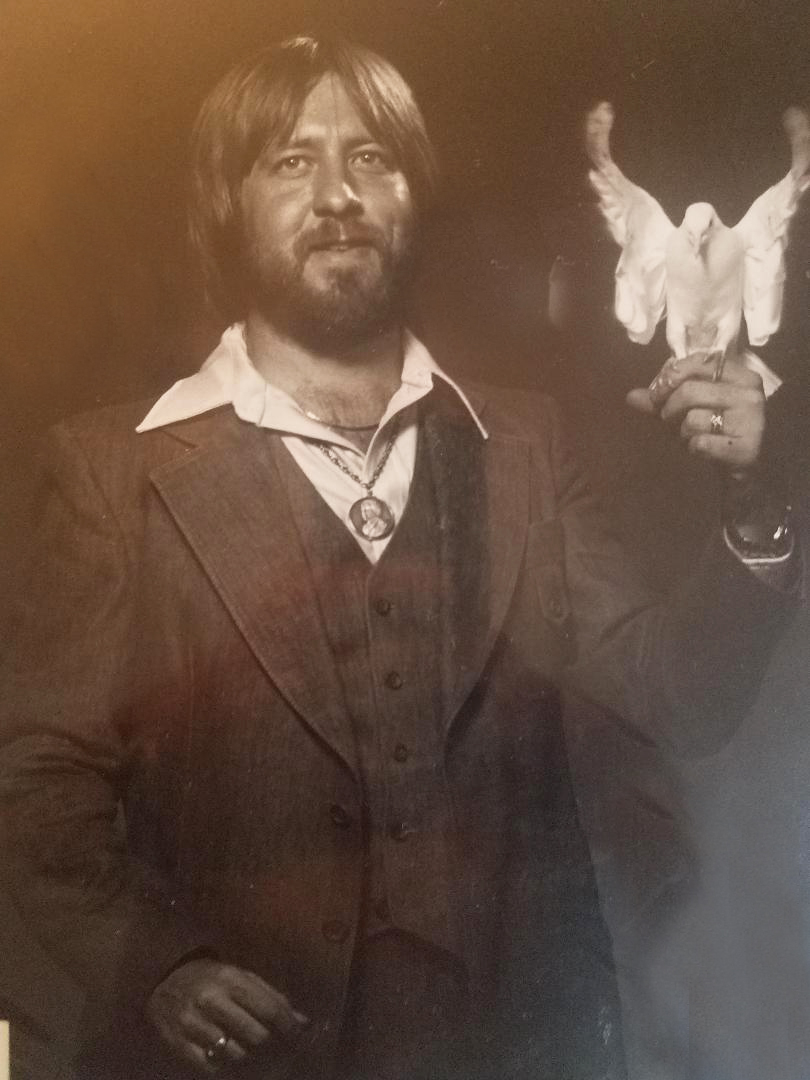
Ferrentino quickly became a favorite with local audiences and even began to perform larger shows for the New York Islanders ice hockey team. He began expanding his act, mixing dove work with larger illusions such as the Crystal Casket and a Sword Suspension. “I even had special costumes made,” says John. “I dressed like a king-sized Doug Henning!” However, one night while putting his Zig Zag away, he had an epiphany upon realizing that it took an hour to put the prop together and then another hour to break it down after the show. He quickly decided to create a show where he worked out of one bag that contained all his props.
A big break arrived for Ferrentino when Coors Lite wanted to enter the college comedy scene and put together a team of 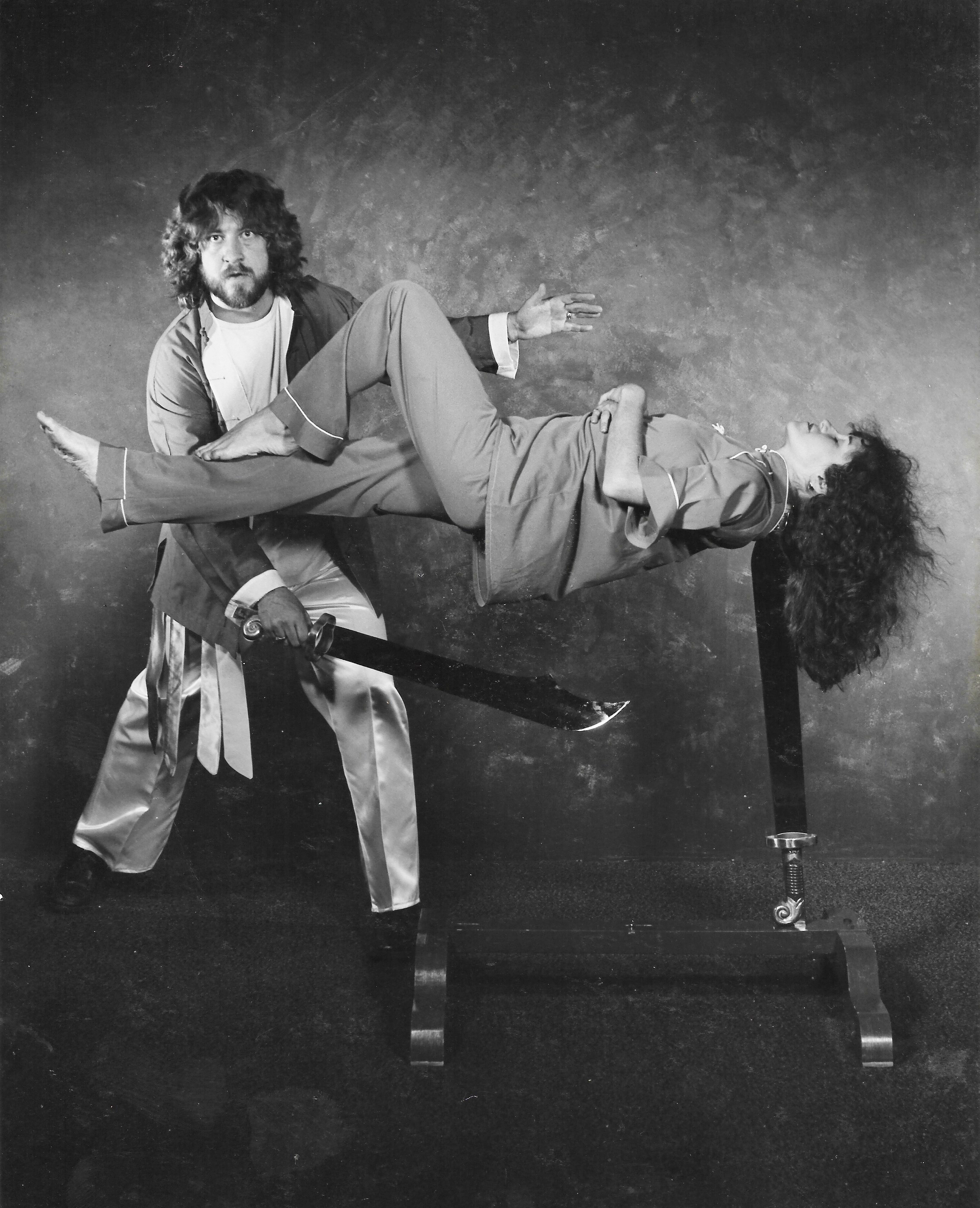 seven comedy acts performing as the Coors Lite Comedy Commandos. This booking extended into a very successful five-year run for Ferrentino. Another breakthrough arrived when he was booked into the 3,500 seat Westbury Music Fair as the opening act for David Crosby and Graham Nash. How the booking came about is a classic showbiz story. Ferrentino’s mother had become extremely sick, and John’s manager called up all the Long Island clubs and arranged for him to work every possible local club, at a discounted fee, so that he could remain close to her.
Meanwhile, ticket sales were moving rather slowly for Crosby & Nash, and the theater manager panicked and decided to sweeten the bill by adding this young comedy magician who seemed to be Long Island’s busiest and most popular entertainer. From all his bookings, the manager assumed that Ferrentino was a huge local draw. “Book this guy,” said the theater manager, and John got his first theater booking. The concert was a big success, and Crosby and Nash asked John if he was free to work with them the following night.
 However, the next night’s show almost didn’t happen because while driving to the gig, Ferrentino’s car overheated and eventually broke down. John had to rent a car and arrived at the venue at 8:00 PM, the exact time he was supposed to begin his show. Initially, the theatre manager wanted to eliminate the opening set, but Dave Crosby said, “Hey, the kid is funny—let him do his show.” So John was ushered out onstage without even having his props there to accompany him; he then performed his first-ever pure comedy monologue until someone passed his case out to him onstage.
The show went well until John’s final effect, the Sword Through Neck using a girl from the audience to assist him on stage. When Ferrentino demonstrated how the blade passed right through the neck brace, his assistant panicked, she didn’t just panic; she rather obviously urinated on stage much to the audience’s delight. “I thought it was the worst day of my life, says John, “I walked off stage, not knowing what to expect, and Crosby was lying on a couch convulsed in laughter.” He looked up at me and said, “Dude, anyone who can make someone pee themselves with laughter is going to be our new permanent opening act.” The gig was so successful that it eventually blossomed into a series of bookings with different permutations of Crosby, Stills, Nash & Young that lasted almost an entire decade. Along with these gigs, and the Coors Lite Comedy Commandos, John was starting to arrive as a performer.
Inevitably Ferrentino began hitting the TV circuit, starting with 21 appearances on the New York based show Comedy Tonight 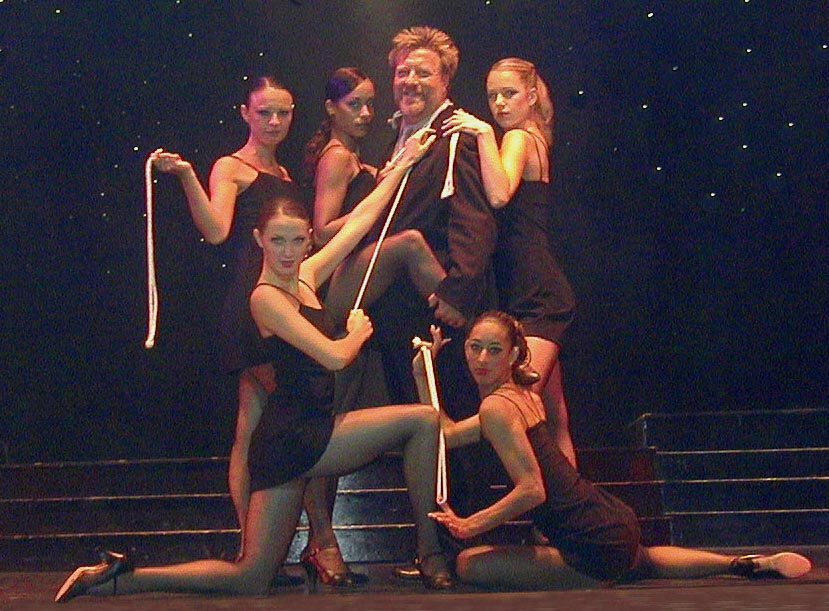 on the Fox Network. When Rick Messina, the show’s talent coordinator, moved to Los Angeles and became the booker for Comic Strip Live, John was one of the acts he brought with him. At this time, Ferrentino was represented by legendary comedy manager Rory Rosegarten, who inked a deal for John to make 16 appearances on the new comedy show. Ferrentino worked with his friend Joe Silkie to come up with innovative and unique comedy magic sets specially designed for this influential show. In the upcoming years, John made over 50 appearances on various TV shows, which further cemented his standing as one of America’s most commercial performers. In addition to his premium comedy club bookings, John quickly became a highly sought after corporate entertainer.
In 2000 Ferrentino moved to Florida and began to book about four cruise ship engagements a year with Norwegian Cruise Line, in order to enjoy mini-vacations with his family. John’s move to Florida was convenient for his cruise dates, and it allowed him to continue surfing, one of his long term hobbies. He became so popular 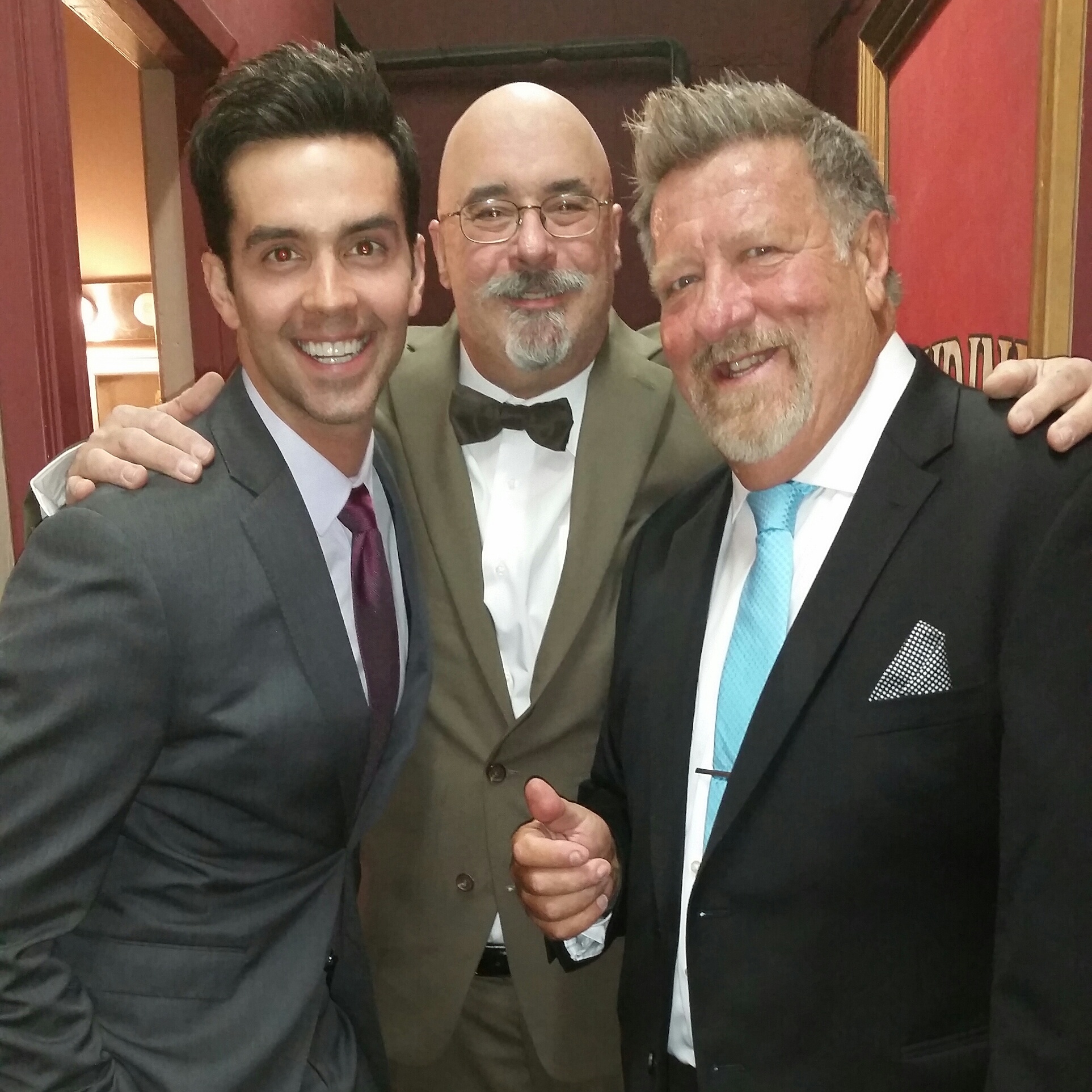 with cruise ship audiences that eventually NCL made him an offer he couldn’t refuse. By the time comedy clubs were starting to die down, he was booking more and more cruises. By 1994 John was working with the line for six months a year with a peachy two weeks on/two weeks off contract. When Disney Cruise Line launched their “Magic” ship, he was lured over to the company to spearhead their entertainment schedule.
In 2016 Ferrentino was reunited with Michael Carbonaro and helped him create special material for the Conan O’Brien Show. Later that year, John saw Michael and Eugene Berger perform in their Dark Stories show at the Genii Convention in Orlando, and the first germ of a seance show sparked in his mind. During the convention, Max Maven persuaded John to perform at the Magic Castle, which would be for the first time in 30 years. “Working the Castle brought me back my love of magic again,” says John. “After so many years as a comedian, presenting comedy magic, I had almost forgotten why I wanted to be a magician in the first place. Working at the Castle, I rediscovered how much people love magic. It stirred something inside of me, and I realized that people’s belief in magic was a wonderful experience. Instead of my show just being me and a trick, I suddenly knew I wanted some other factor to be involved in my show. I decided to come up with an act that touched on ghosts and the supernatural because people love to be scared!”
John devised a brand new seance show and started breaking it in over the next two years at the Sleuth’s Dinner Theater in 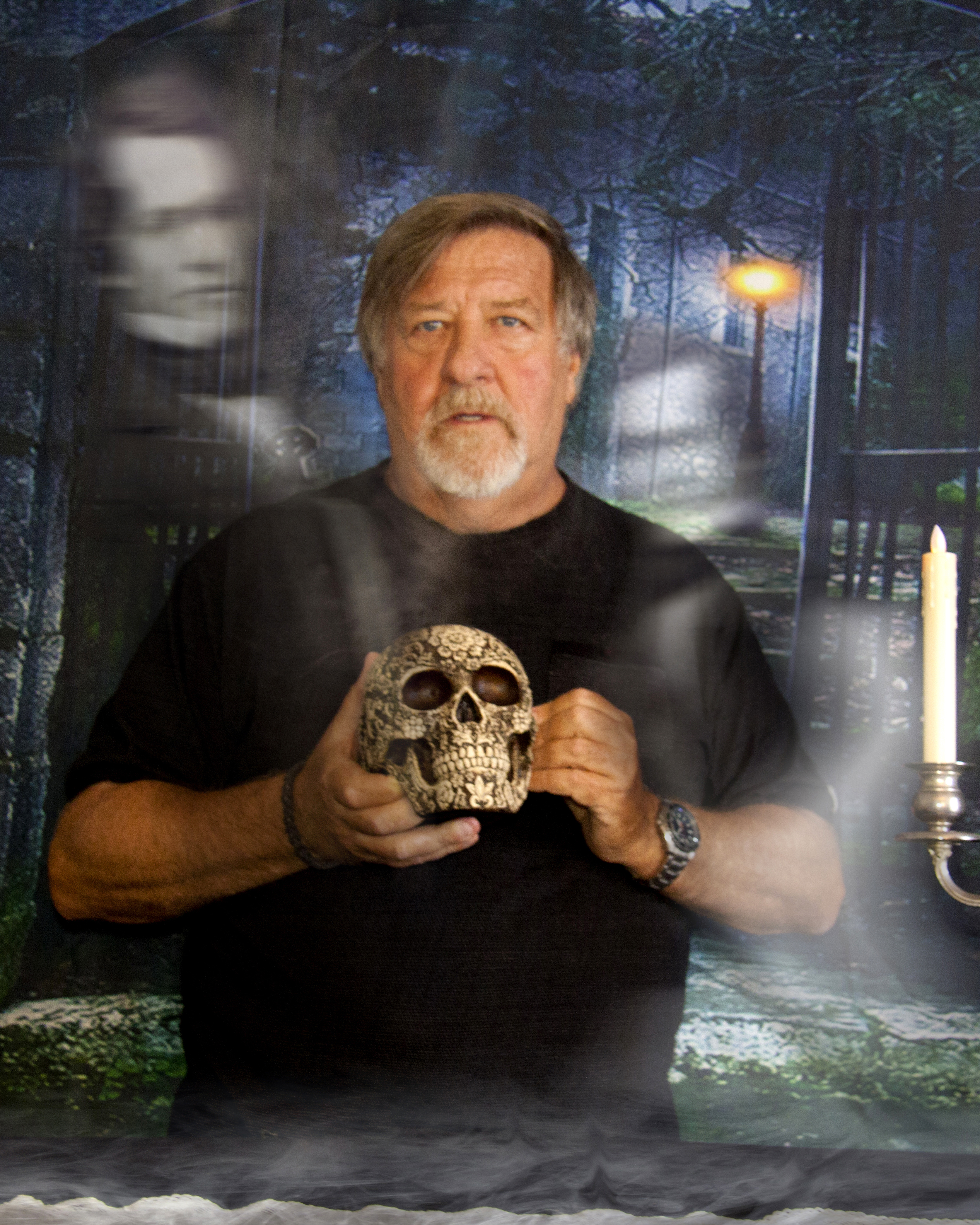 Orlando. During this time, he did extensive research, and eventually, the show evolved into a production entitled “Do Spirits Return?” Ferrentino’s seance experience focused on a real-life location in Louisville, Kentucky, called The Waverly Hills Sanatorium. The Sanatorium is considered by many to be the most haunted location in America. Initially, the show included readings, contacts, book tests, and similar effects. The show kept progressing, but it still needed a final twist in the format to complete the storyline.
John’s daughter Lindsey Ferrentino is an accomplished American contemporary playwright/screenwriter. When she saw the seance with her fiancé, Ralf Little, a highly regarded British actor, they came out of it impressed, but feeling that it was just not quite “John.” They persuaded him to focus on a new, more organic direction. John’s approach became subtly redefined as “I do not believe in ghosts, or the supernatural. However, I visited the Waverly Sanatorium because, in my early years working in a hospital, I had heard amazing stories about Waverly. When I visited, I bought a box of stuff that they were selling in an auction, and I took it home, thinking that it might contain some cool stuff to sell on eBay. Soon after that, a lot of weird stuff has started to happen that I can’t explain…..” This delicate psychological change in his approach to the seance paid big dividends, and being John, he even managed to add a few dark jokes into the seance setting.
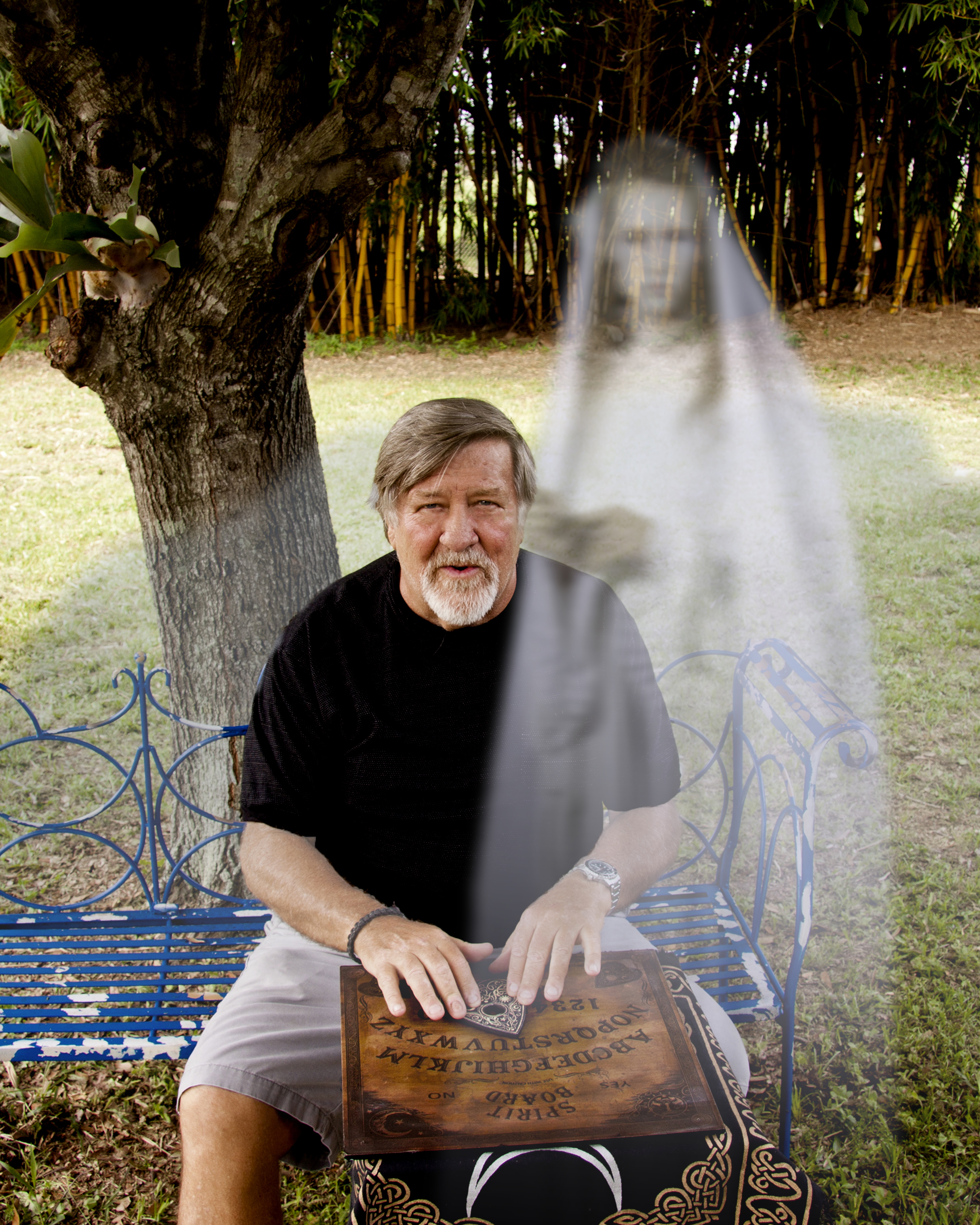 John continued working on the seance in collaboration with his longtime colleague Joe Silkie, whom he describes as an encyclopedia of magic. Between them, they packed a great many original ideas into the show’s framework, with everything contained in the show factually based so that when the audience returned home, they could look up and confirm the details. In 2017 John participated in the Battle Of The Magicians Convention in Canton, Ohio, and featured the seance as a special midnight attraction. It was an immediate success, and the magicians attending the convention were intrigued by what they had seen and experienced. Says John, “I had so many people contacting me asking questions, and wanting to learn more about the show that I decided to put together a formal lecture based on the show.”
In 2019 Ferrentino performed the seance/lecture at the Daytona Magic Convention and the Abbott’s Get Together in Colon Michigan to great results. John also created quite a sensation when he presented “Do Spirits Return?” at the IBM Convention in Phoenix, Arizona. Jeff McBride described the seance in this way, “John Ferrentino shines a new light on the dark arts of Seance Theater. He shows us how to update this often Victorian bound entertainment with new and exciting modern presentations that will reach today’s audiences. John’s experience as a magic designer and prop builder gives us new, ingenious ways to accomplish an extraordinary phenomenon that will leave your audiences breathless.” Later in the year, Ferrentino instructed on the seance at McBride’s celebrated Mystery School in Las Vegas. Where will the seance and lecture pop up next? The odds are that when the world is free of quarantine restrictions, the spirits could be returning with John in a theater or showroom somewhere close to you. Do not miss it when it does.
I have been a fan of John Ferrentino for many decades now, and I have enjoyed writing this story about him. If you want to get a taste of John Ferrentino’s unique abilities, check him out on YouTube at https://tinyurl.com/y7kks9by I finished our interview by asked John if he had a useful piece of advice to pass onto our readers about developing their magical careers. He replied, “I’ve always had a very successful career because I stayed one step ahead of what was going on. First, I was performing at Blue and Gold dinners, and then comedy clubs opened up I veered into that. When the comedy club thing started to die down I went into colleges and then when the college bookings started to die down a little bit, I was lucky enough to get some opening act work. When the opening act bookings started to fade out, I started to do corporate shows, and then I was off on another adventure doing cruise ships. I always tried to keep one step ahead of the game.“
I have also enjoyed a 50-plus year career in magic, and consider this great advice. Over the years, I have written fairly extensively about how a successful performer must use the momentum of life to propel his work forward. I like to use the analogy of a surfer riding the crest of a wave to move effortlessly forward. The only thing the surfer needs to do is concentrate on his balance and let the wave will do the rest. Of course, this is something of a theoretical concept to me since I have never actually surfed. However, I hold John Ferrentino as a perfect example of my theory because he has an awesome career, and damn it, he even surfs!
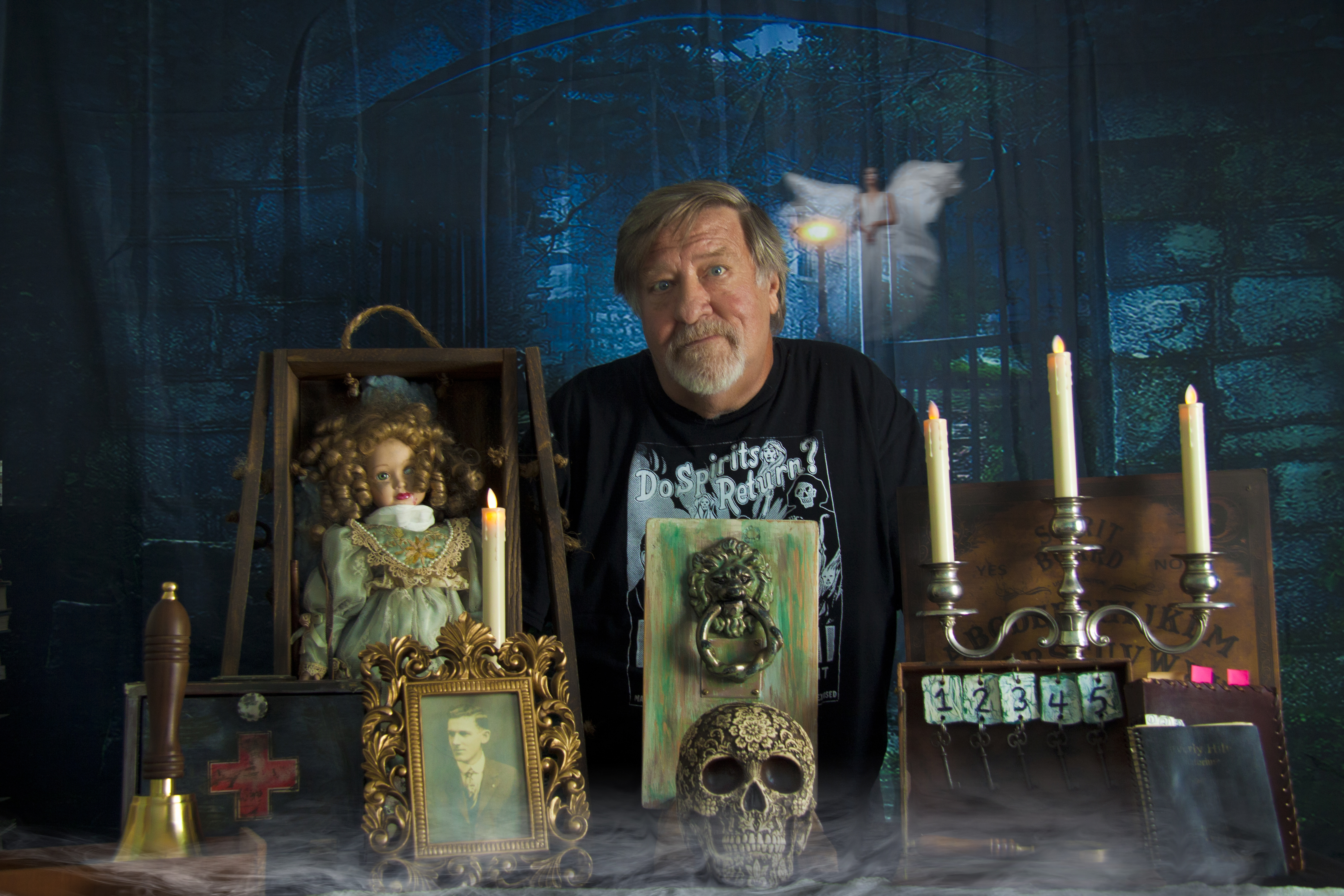
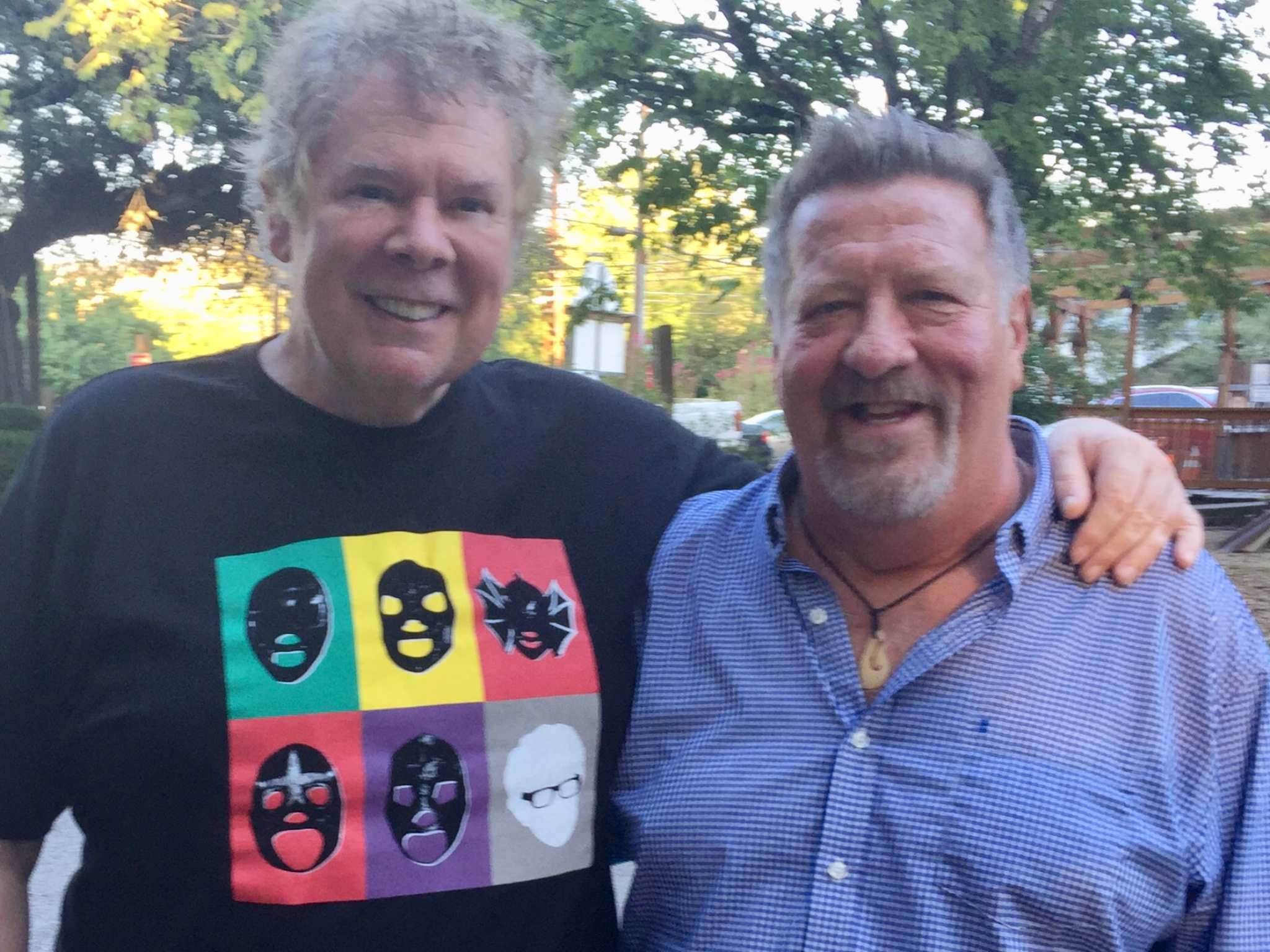
It was very sad news today that Charlie Daniels passed on. Charlie was a wonderful musician and a really fine man. I got to bring Charlie into Las Vegas back in the early ’90s to perform a solo corporate gig and a concert that evening at the Imperial Palace. I got to open the concert for Charlie, and we recorded a backstage interview for my Fox TV show “The Entertainment Files.” He was a perfect guest and was even nice enough to answer WAY too many of my questions about his trailblazing role as sidesman to Bob Dylan. Our show was especially geared to movie matters and Charlie gave a delightful list of his top ten desert island movies. His list included a copy of “The Greatest Story Ever Told,” and a really good porno movie.If you aren’t familiar with Charlie’s classic song “The Devil Went Down To Georgia” then you can enjoy it here
https://www.youtube.com/watch?v=sh7BZf7D5Bw
In 2014 he also released a great great album of Bob Dylan songs called “Off The Grid-Doin’ It Dylan.” If you want to catch my interview with Charlie you can watch it right here.
I have been lucky enough to work with many Country & Western artists over the years, and almost all of them have been really great guys just like Charlie. I wish him a fond Aloha……….

If you are going to call a story “a day in the life,” it is probably a good idea to be exact about exactly what day it is! The date was January the 17th 2020 and I had flown into Los Angeles to film some segments for the seventh season of the CW Network’s internationally successful magic show Masters of Illusion. I had appeared in an earlier incarnation of the show almost 20 years before, and it was great to be booked to appear again. I thought it would be fun to share with our readers how the day went down.
 Throughout December I worked with various executives at Associated Television International to arrange which five routines I would tape for Masters. With about 45 different magicians filming multiple segments everything needs to be very carefully planned. Eventually, my airfare was booked and on January 16th I traveled from my hometown of Austin, Texas, and checked into the Courtyard by Marriott next to Burbank airport. I traveled with just a hanging bag with my wardrobe and a computer case filled with props. I travel light.
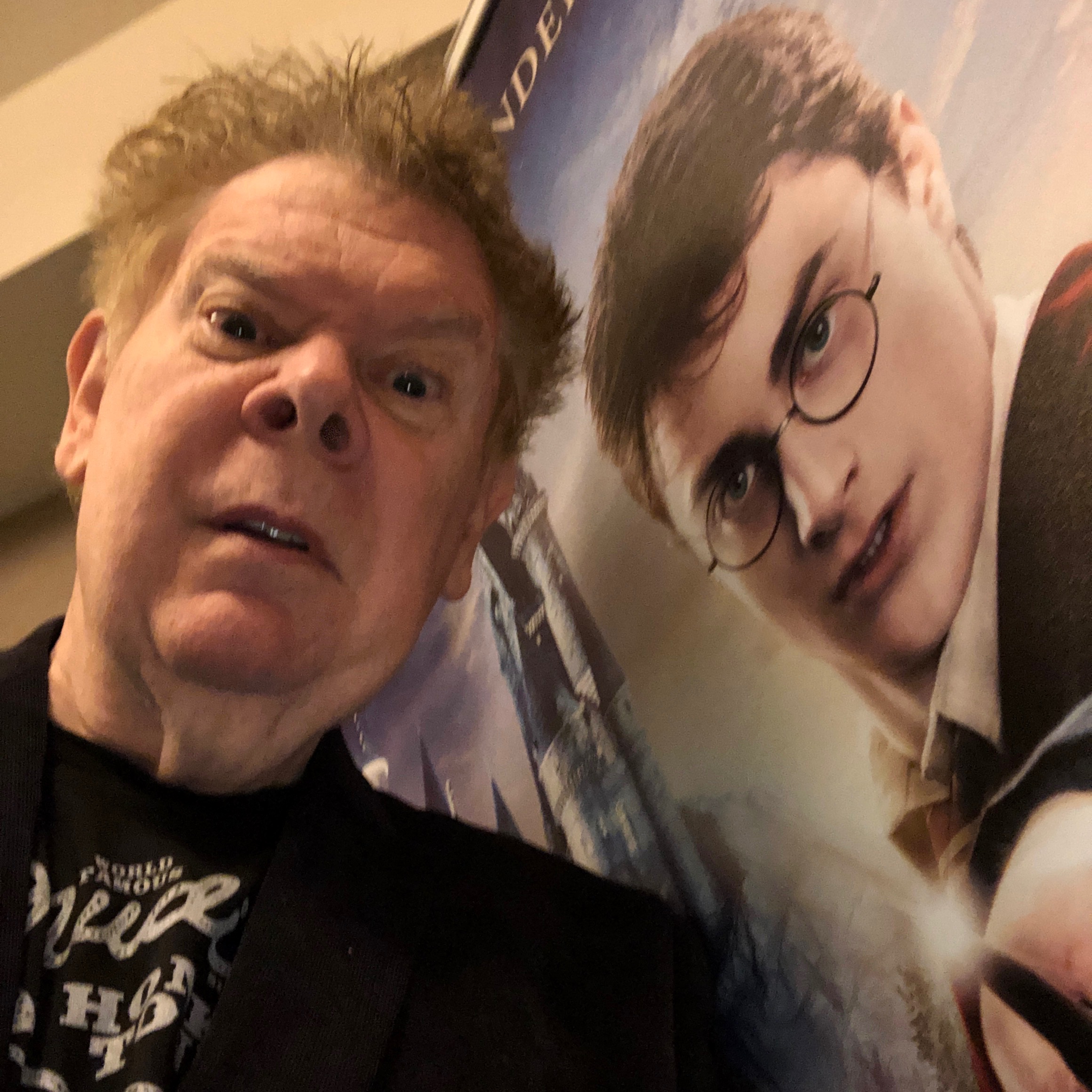
Checking into the hotel it was apparent that it was filled with magicians and there was a serious magic vibe reminiscent of the opening night at a mini Magic Live convention. I enjoyed a pizza and beer at the bar with my old friend Louie Foxx before retiring for an early night. Any full day shooting a TV show you can pretty much guarantee it will include a very early start. As I went up to my room I noticed there was a Harry Potter poster in the lobby, it seemed like a good omen so I took a selfie with it.
The next morning at 7:00AM the magicians who were shooting that day met in the lobby and grabbed the first of the many cups of coffee required to wake us up. I had a latte with two extra shots of espresso; I needed those extra shots as I was still on Texas time. A large pile of anvil cases, prop boxes, and suitcases gathered in the hotel lobby, and soon both luggage and a motley crew of magic folk (mostly dressed in black) were transported to the studio in the nearby town of Sylmar. You could easily spot the magicians by their excessive hair products—it goes with the turf. My locks were firmly sculpted and sprayed into their normal Gordon 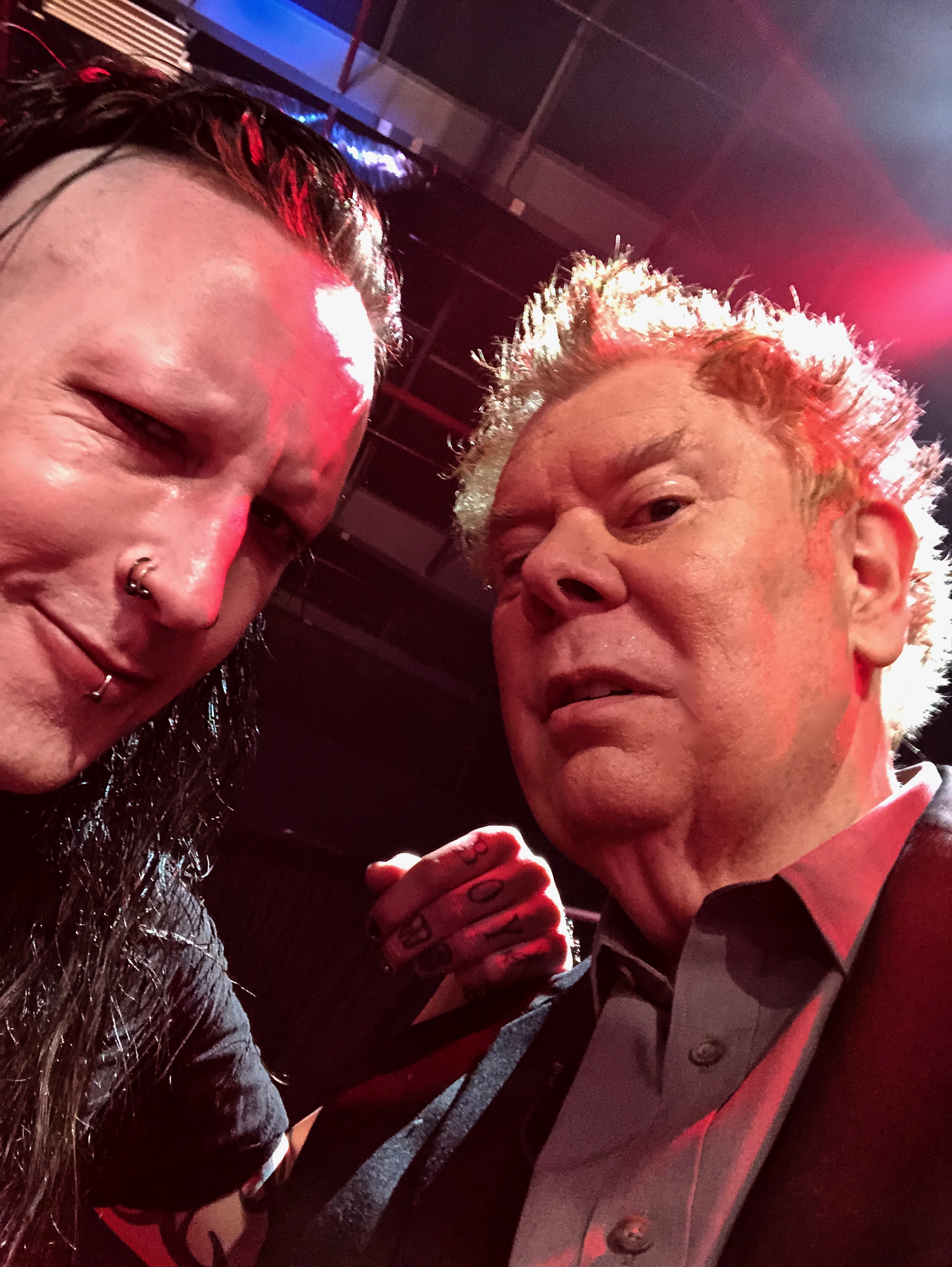 Ramsey state of confusion.
Arriving at the studio, it was immediately evident what a well-oiled machine the Masters production has become over the years. We were escorted to our dressing rooms, and shown where we could find more coffee and a stash of tasty doughnuts. Doughnuts are an integral part of any television production regime. I had two jelly filled; I had made sure my new black suit fitted comfortably the night before and knew I could handle that second doughnut.
The performer’s first important duty was attending a table meeting with the show’s producers, director, and stage manager. We all spent a few minutes chatting about what we needed, and how the production team could help us get our job done smoothly and efficiently. I was delighted to meet up with my old friend Gay Blackstone at this meeting. Gay is one of the producers of the show and knows more about magic than almost anyone I know. She is a rock at the center of this show.
On route back from the production meeting I bumped into David Martin who is also a producer of the show. David is another 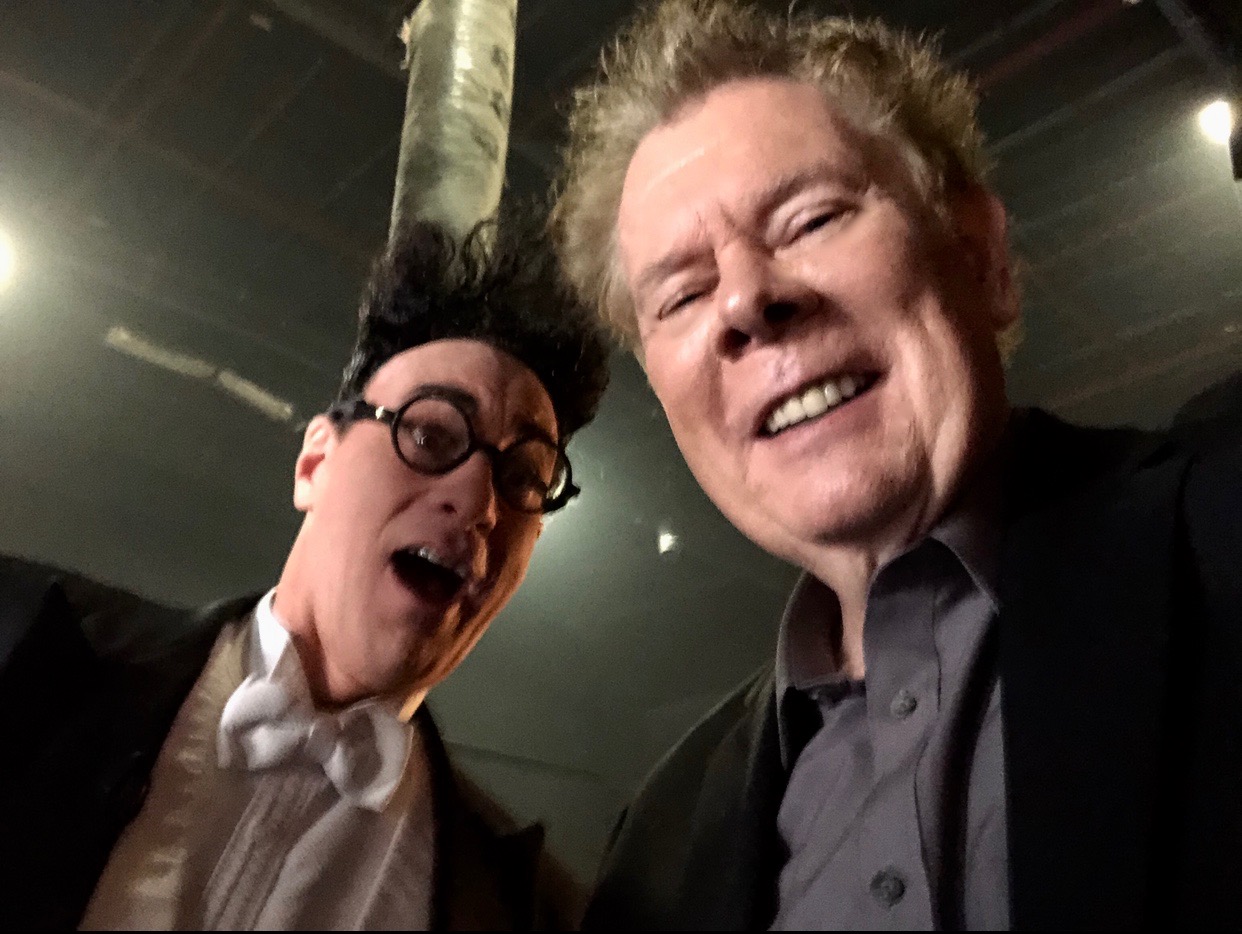 smooth and skilled cog in the Masters of Illusion team. He is a fellow Brit and when we met he silently handed me a teabag of very fine English Breakfast Tea. This was a good thing because if I had drunk any more coffee I would have needed scraping from the ceiling of the soundstage. I drank my tea and had another doughnut while waiting to be called for make-up. By 9:00AM every performer was dressed in their performing wardrobe and wearing full make-up. We then started to do the thing that takes up most of the day on a TV set—waiting around. This was a perfect time to catch up with old friends like Murray SawChuck, Ed Alonzo, and Dan Sperry, and to take a few backstage selfies.
The Masters of Illusion physical set is a very impressive one with many brightly lit moving parts. The production team had put together a schedule that allowed a maximum of filming to take place in a minimum of time. The larger illusion effects were shot on the stage, close-up performers were filmed at tables amongst the audience, and some non-prop comedy guys like me were filmed in the aisles. It was like a Rubik’s cube of performers. It was impressive how expert the production team was at staging and shooting these various segments. They made it look casual but it wasn’t; I have appeared on many TV shows over the years and these guys really know how to film magic.
At about 12:30 PM I was wired up with a microphone by the sound department. They were a fun team, one of whom 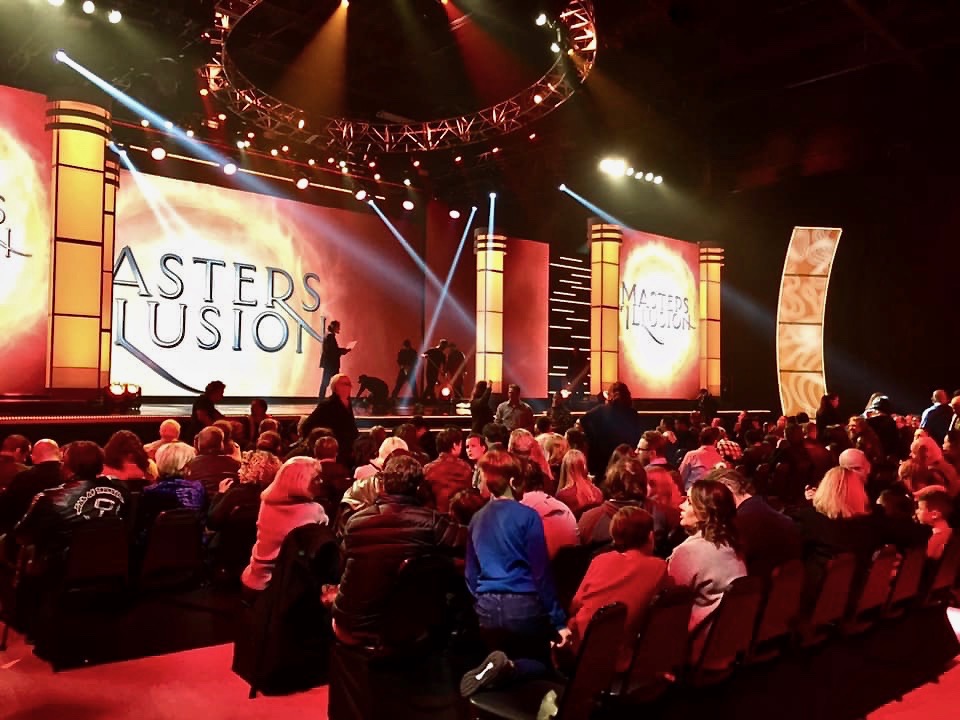 remembered me from my previous Masters appearance. I then filmed three of my short segments back to back without a single retake. Each of my segments was as short and sharp as I could make it, focusing on “set-up,” and “reveal.” Masters of Illusion plays around the globe and is seen in many non-English speaking countries so the international success of the show has a lot to do with the carefully streamlined “cut to the chase” magic that it features.
After we had finished filming my first three segments the entire production halted for a well-earned lunch break. A delicious catered meal had arrived from a local Buca Di Beppo restaurant and was laid out on long tables backstage. For the next hour, the entire cast and crew devoted themselves to enjoying various Italian delicacies with the same dedication they had shown for the morning’s taping. This was the time when we magicians managed to really catch up, and discuss how things were progressing.
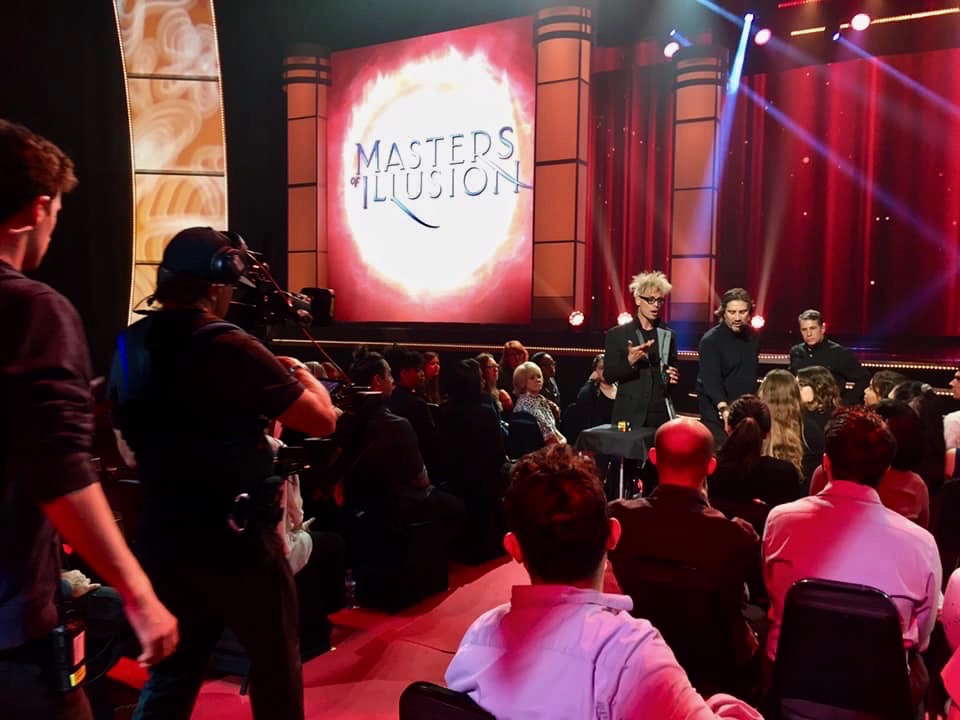 After lunch, I quickly nailed shooting my last two segments. As soon as my set was filmed I was relieved of my microphone, and I realized that my work was done. While the camera is rolling the entire studio and every technician is focused solely on you. The moment taping is complete the attention refocuses on the next performer. It is like being a small (but vital) cog in a well-oiled machine. Within 45 minutes of removing that microphone, I had received my check and was sitting in a van on route back to my hotel. I walked through the doors of the Marriott at 3:00 PM and Harry Potter smiled down from the wall to greet me, and I flashed him back a grin.
There is always a little psychological let down when you have finished shooting a TV set, and I wondered what the best way to relax was. As I so often do, I asked 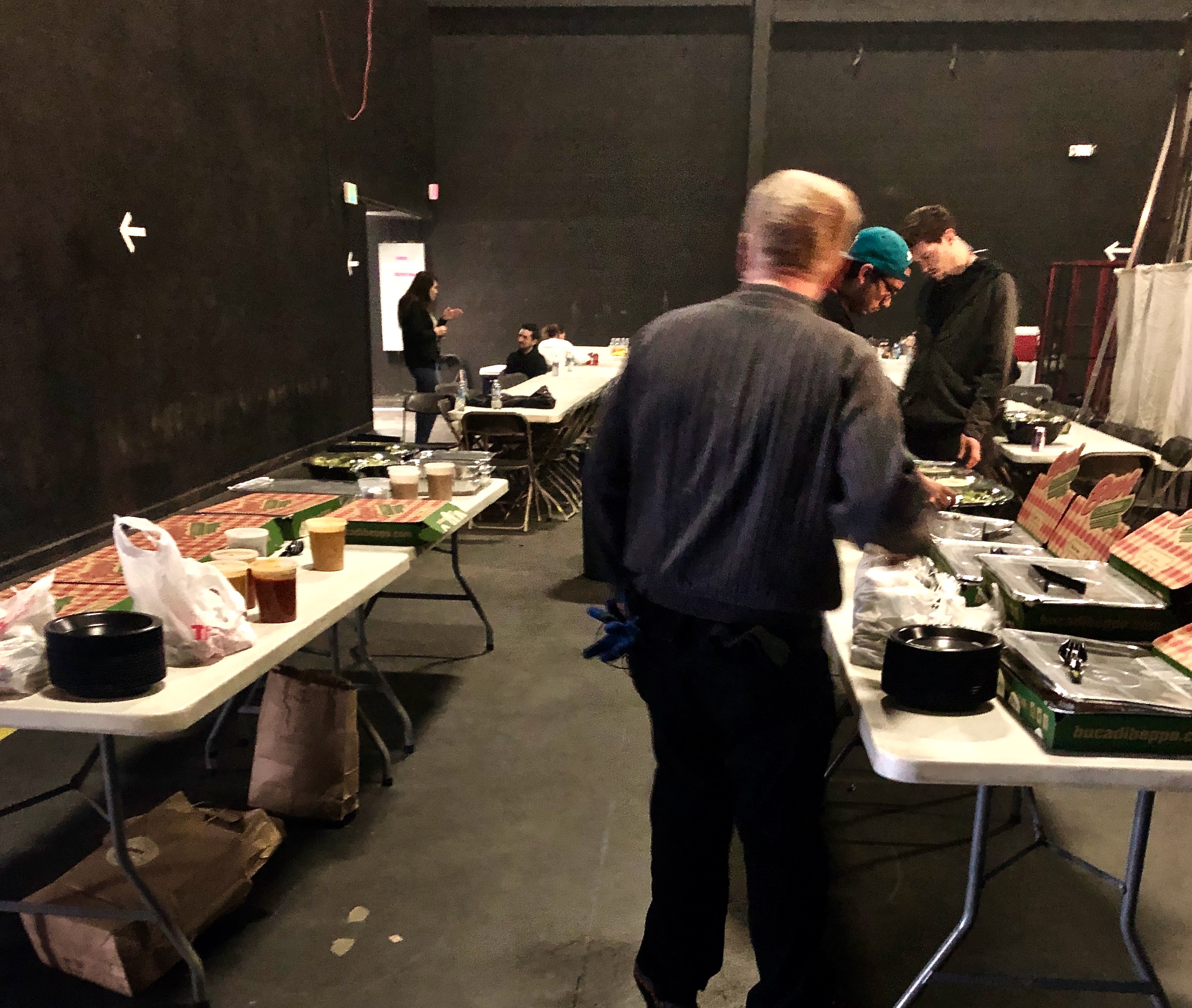 myself, “What would James Bond do under these circumstances?” I was pretty sure he would have gone to the hotel bar and ordered a double vodka on the rocks, so that is exactly what I did. Sitting at the bar I ran the previous 24 hours through my mind and decided, not for the first time, that my very favorite part of shooting a TV gig is when it is successfully concluded.
The events I have described are now squarely in my rearview mirror, and I am home in Austin where last Friday I watched the premiere episode of Masters of Illusion, Season Seven. However, I decided it would be fun to give our readers a taste of what it is like participating in a magic series. It is a weird combination of fun, potential panic, and intense concentration. Like everyone else, I am now looking forward to watching the next season of Masters unfold on my screen on a weekly basis, but It was unquestionably a great pleasure to have been a part of this finely calibrated production.

 Learning to perform good magic requires that you master a great many different skills. Probably the old advice “Practice, practice, practice” is still as solid as a rock. You need to do plenty of planning and preparation to decide what you are going to do, but you are always going to need to rehearse the physical actions and verbal elements of your show until they are smooth as silk. However, if you want to be a strong comedy magician you can hit a bit of a road bump with the comedy part of that job description.
While ventriloquists and jugglers are first cousins to magicians, a dedicated comedian is a very different beast. You can’t rehearse a comedy monologue in front of a mirror with much success. You need a live audience to know whether a joke works, or even if it is funny. Last month I was talking with my Danish friend Christian Langballe on FaceTime and he had to curtail the call because, in his words, he had to go and perform a set at a comedy club in order to “exercise the comedy muscle.” I loved that phrase and asked his permission to write an article based around it. Thank you Christian, here is that article.
There are endless showbiz debates as to whether you can learn to be funny, or if funny is a quality that you are born with.  Unless you are a very unique (make that very, very unique) person, I firmly believe that it is all but impossible to make someone funny if that seed is not sowed within them from a very young age. That person might be able to say funny things but that is not at all the same thing as being funny. On the other hand, almost anyone can become a pretty proficient magician if they are prepared to put in the time to get their tricks down. Can that proficient magician become a funny comedy magician? This is an interesting and much more tricky proposition. Let’s take a closer look at what is involved in this dilemma.
Generally speaking, stand-up comedians are very scathing and obnoxiously verbal in their view of comedy magicians. If you doubt this then you haven’t spent enough time with your average stand up comic. Incidentally, I just brushed on a comedy trope in this last sentence that tends too upset many stand-up comedians, as historically they tend to differentiate between a comic as someone who says things in a funny way and a comedian who says funny things. Sometimes they get deeply insulted if you get it wrong, it gets complicated pretty quickly, doesn’t it! However, let’s return to the reason why comedians tend to marginalize, and often actively dislike comedy magicians, jugglers, ventriloquists, and other variety acts. I suspect it is largely because they don’t like the fact that we have something other than comedy to fall back on; to them, it seems like cheating. They think we lack commitment or we are lazy, and sometimes they are right.
 A comedy magician certainly is lucky that if their comedy isn’t working then they can switch the emphasis to their magic. Duh, this is a pretty neat professional insurance policy in my personal opinion, and most comedic magicians would agree. That same double threat magician has another advantage tucked up his sleeve that is worth considering. When you are combining comedy and magic the average audience gives you quite a healthy benefit of the doubt on the comedy that you include in your show. Unconsciously these audiences tend to accept older, cornier and less original material because “They are not really a comedian.” This is a fairly satisfactory state of affairs to most magicians as long as they don’t think about it too deeply, but to others, it becomes something that needs to be dealt with.
In the heyday of comedy clubs in America, there was a great living to be made. The magicians who didn’t mind being “openers” or “middles” didn’t have to deal with the issue of “real” comedy as opposed to comedy magic. However, if you wanted to close the show and make the bigger bucks you needed to address this matter head-on. As a performer who headlined the comedy circuit for eleven years, I can tell you that the overwhelming majority of us did it in the same way. We put on our “big boy comedy pants” realizing that we needed to be as funny as the comedians and moreover do so by using the same comedy rules.
In a comedy club, if you were going to follow a couple of strong comedians you were not going to do it by dipping into that  30-year-old Robert Orben gag book. You were required to learn to write and deliver comedy like a professional comedian. Most of us who became bona fide headliners in the major comedy clubs just buckled down and wrote/learned a comedy monologue with which to open our shows. The good news is that this process is different, but not that much harder than learning that knuckle-busting new multiple shift by Ed Marlo.
A stand-up comedian has a very different eco-system to a magician and it is worth looking at the way it differs. In magic, we are inundated with ways to acquire our material. There are books, magic shops, conventions, dealers, Internet groups, lectures, magic clubs, downloads, and many other resources. Usually, a comedian can only rely on what is in his mind, writes down in his notebook, and then perfects in front of a live audience. If a comedian wants to get a laugh in his show he doesn’t pick up a joke book. He looks for the right topic, he writes something, edits it to get the wording just right, and finally perfects it onstage. In other words, they exercise the comedy muscle. This is why comedians are much more rigorous about the ethics of stealing other performers’ material than many magicians. There is a much stronger shared material pool in the magic world, and this frequently results in ethical lines getting crossed that shouldn’t.
 There are many excellent magicians who just don’t get the stage time to fully perfect their show. They get the mirror time but not the stage time. In fact, an entire category of “semi-pro” performers have the luxury of taking an occasional paid gig to augment their “real” job. This scenario doesn’t exist in the comedy world where you need to move from “office cut-up” to struggling comedian via the uneasy path of open microphone nights. Open mic nights tend to separate the comedic sheep from the goats in double-quick time. Comedians learn to be much more protective of that big laugh in their show that they wrote because that joke might be a key element in taking them to the next level. If another performer lifts that joke from his act then he is not going to take it well. In the magic world, there is a curious tendency to think that borrowing another performer’s line is acceptable. In fact, if enough people appropriate a joke then it becomes a “stock line” and then it is totally OK to use it. However, most “stock lines” began their lives as original lines in someone’s act. Probably the most common complaint about magicians is that we all use the same jokes, and sometimes this is hard to argue. Given the fact we are often dealing with the same situations and props, this isn’t totally amazing. Generally speaking, though originality is rather a gray area, and when this really gets troubling is when performers use the same words, and even worse the same timing to tell the same joke.
I have had many magicians come up to me and comment on how well some of my jokes work or don’t work in their acts.  Sometimes they even seem to expect me to be pleased with the “honor” they are bestowing on me. Try that with a comedian and you might well end up with a thick lip! Now, of course, this doesn’t mean that performers don’t sometimes let other performers use one of their jokes. Of course, they do. Pros swap ideas, bits, and ideas all the time but it is an actual process, and just because you see a magician on YouTube or TV doing a joke that would work in your show, it does NOT mean you can use it. If you like a joke or “a bit” what you can do is “exercise your comedy muscle,” and write something original that covers the same territory. You are selling yourself short if you don’t do this.
There is one specific area that I feel I should cover here; suppose you buy a trick from a professional and it includes the jokes that he uses onstage? Now that I have pretty much retired, I am marketing my routines, and I do so very thoroughly, and this includes most of the jokes I have developed for that routine over the years. I certainly expect anyone who pays me for my routine to feel free to use the jokes I  include. Very often I include them in the video tutorial in order to show how they have a very special role in the way the comedy misdirects and compliments the magic. I think it is usually a good thing for someone working on one of my routines to initially use my template to learn how to correctly time their actions. When they have mastered the routine and don’t change the dialogue and contents of my routines then something has gone wrong. If they are still mimicking my comedy at this point then they are failing to master what they have learned. It is probably time to exercise the comedy muscle, personalize things a little, and make things fit their own performing personality.
Let’s look at a couple more ways that the average magician can exercise that comedy muscle. Like any other exercise, this process gets easier the more you do it, and that muscle starts to develop. Give this a shot, next time you watch a late-night comedy show make careful note of what topics the host makes jokes about. No, don’t purloin his jokes, just observe what topics his writers have decided are most relevant /commercial, and then see if you can come up with some original jokes on these same topics. The joy of a topical joke is that if you put it somewhere upfront in your show you will get  bonus points just because of the topicality. People laugh harder at a topical joke merely because they know it is something that is fresh and newly minted.
For many years I have made it a rule to include one new joke in every show. It is good for the mind, body, and soul. Try it, and slip the joke in amongst some of your most surefire material; then make a note after the show on what that new joke was and if it worked. You can re-tool it, tighten it up and you may find you have a joke that will be using for a long time. This may or may not be a good thing. One huge difference between a comedian and a variety act is that by the time many comedians really perfect a line they are about ready to drop it; when a variety performer perfects a line it will probably be around the rest of his life. I am definitely a variety performer!

 As I was putting this blog post together I got a note from Paul Romhany, my editor at Vanish Magic Magazine. He is putting together an article with ideas from some of his key contributors. I can’t wait to read them. It is vital that the magic world handles this world crisis in a sensible manner.
1 Take the time to creatively work on some new pieces for the act. Read, research, and do something to revitalize your show. When everything calms down, which it will, you will have achieved something constructive. You can also use the time to re-evaluate and improve safety. and just as vitally the appearance of safety in your show.
2 Look ahead to when something like this happens again, and it will, and really think about the items/moments in your act that would be cringe-worthy at this moment in time. Work out ways to avoid using saliva during the Gypsy Thread, or doing the Card From Mouth. Maybe they always were a bit cringeworthy and we didn’t fully realize it.
3 Plan out a show that requires no assistant coming up onstage. Many magicians use assistant volunteers way too liberally;
are there ways to perform the same routines without parading back and forth continually. This will be a bad optic for a long time to come; plus it will probably really speed up your show in a positive way.
4 See if you can restructure your show so that people do not have touch props during your show. Does the spectator have to really remove a card from the pack or could you handle the situation without any physical contact taking place? Even as things return to normal you can expect people to have a new awareness of these basic safety concerns.
5 Most importantly of all, keep yourself healthy and safe. Everyone is losing shows and dates, everyone is going to be hurting financially. Do not figure that you can just do “this” show without a problem, we need to retool the old adage from if in doubt cut it out and make it If in ANY doubt, close it down.
I am already seeing magicians on social media talking about going out and performing magic in stores and other hot spots in order to “raise spirits,” and “cheer people up.” This isn’t about you, or any half-assed notions of being a social media hero. Put those grubby sponge balls back in your pocket; you could potentially be passing on something other than a few moments of amusement. Think it through.

 San Francisco: to be honest nobody really needs another reason to plan a trip to the City where Tony Bennett and so many others have already left their hearts. However, I am going to give you just one more really great reason. This is the latest in my series about great magic venues in America.
In the heart of the City by the Bay is a wonderful new magic attraction that I think you are going to really enjoy hearing about and want to visit. San Francisco has a charm all of its own, but Jay Alexander’s Marrakech Magic Theater has added an entirely new level and dimension to it with the magical experience that his new and unique immersive theatrical event offers. With seven shows a week (soon to be eight) the Marrakech experience is the only multi-night magic event in San Francisco, and with its instantaneous critical and commercial success, you can be sure it will be around for the long haul.
Before I walk you through an evening at the Marrakech, I want to spend a couple of paragraphs talking about its creator and 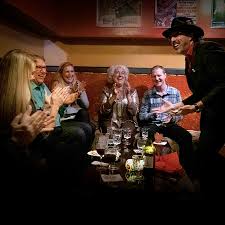 star Jay Alexander. Jay is one of the most successful corporate and society magical entertainers in America whose high-energy blend of magic and mentalism has placed him at the pinnacle of his profession both artistically and commercially. He is the “go-to” guy for America’s top corporate buyers and bookers.
Alexander was born in Houston, Texas and from the age of 11 to 18 developed and honed his skills as a magician and performer. At age 18 Jay graduated high school, and a couple of days later was on a plane to California where he attended the prestigious San Francisco Art Institute. The Art Institute was the perfect place to fine-tune the artistic vision and sense of design that was already beginning to shape his magical vision. Upon arriving in the San Francisco, Jay took his magic to the streets, and the famous Pier 39 location, as he continued to develop the distinctive high-energy skills, and longhaired Rock and Roll persona that continues to define him today.
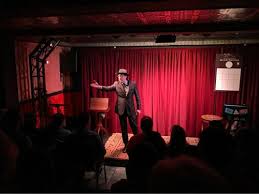 Jay became a favorite performer at Bill Graham’s legendary Fillmore West and other music venues, where he entertained the elite of the music world including such iconic rock and rollers as the Rolling Stones, Paul McCartney, Fleetwood Mac, and U2. Alexander then quickly became a busy corporate performer in the San Francisco and Silicon Valley area with the help of these ultra-hip credentials. A really unique and giving person, Jay is the perfect epitome of the smart and skilled contemporary performer. Everywhere he travels to perform his shows the audiences are massively entertained not only by Jay Alexander but magic itself as an art form.
So what was it that caused Alexander to decide to open a magic theater when his performing schedule is already packed with enough corporate dates to exhaust the average performer? “The Marrakech Magic Theater is part of a long-term dream in how to deliver a fully thought out magical experience that communicates with people on a highly personal level,” says Jay. “It was a chance to get somewhere totally different in my career and really explore the art of performance. I wanted it to be elegant and fun.” When Jay hits a roadblock in any of his artistic plans he asks himself a simple question, “What would Walt Disney do?” and “What would Richard Branson do?” This approach seems to be working out just fine so far.
A significant part of the appeal to the Marrakech Theater is in the physical presence of the venue itself; situated at 419  O’Farrell Street (just off Union Square), the theater has a fascinating history that has stamped its own personality on the historic building. The two rooms that comprise the theater are situated in the basement of a splendid Moroccan restaurant–the first such restaurant in the United States. The building is an architectural masterpiece and in an earlier incarnation was a notorious speakeasy. Entering the theater you take two steps off the street and are transported into another world.
An evening at the Marrakech Magic Theater is very definitely an evening with Jay Alexander, who is waiting to seat the guests as they enter the 45-seat Oasis lounge that is the gateway to the main showroom. Delicious appetizers and exotic specialty cocktails are available for pre-show consumption in the lounge by the guests. The walls of the establishment are a veritable museum of magical posters and memorabilia from Jay’s collection. As is every other element of the experience, the exhibits are geared to appeal as much to a lay audience as it is to magicians.
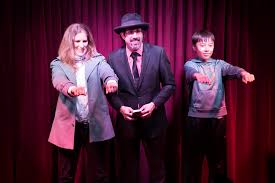 The theater is filled with tributes, not just to the famous historical magicians who are regularly showcased in these kinds of establishments; there is the culturally fascinating and somewhat obscure, Henry Box Brown, who used magic to escape from the bonds of slavery. Not familiar with Mr. Brown’s story? Google him and you will unfold a fascinating tale! Also featured in the displays are exhibits of some prominent entertainers such as Woody Allen, Johnny Carson, and Steve Martin, whose interest and history in magic is often a revelation to those with just a casual interest in the magical arts; these exhibits on the walls are accompanied by informative museum-style plaques penned by magical experts such as Jim Steinmeyer.
The magic theme has been incorporated seamlessly into every aspect of the experience in the Oasis lounge, and even the 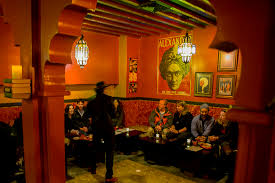 drink coasters are mini-visual illusions that further the attendee’s immersion into the magical theme. With 45 guests sitting at small tables waiting to enter the formal showroom it is the perfect opportunity to introduce the first official magic performance into the proceedings. Alexander himself performs an hour of close-up magic before the doors swing open to the main event. With his larger than life performing style, Jay performs his own high-energy brand of in your face magic. Rather than go for a table-hopping approach to his sleight of hand work, Jay uses his unique personality to perform a show that is as much street magic as it is formal close-up. He plays it really big, and in doing so causes the separate guests to coalesce into one big party for the 60 minutes prior to showtime. In this way even before the official show is begun the audience is already having a blast, getting to know each other and having fun. This is no throw away element in the event and to see how effective Jay’s handling of this particular format is, just check out the rave reviews for the Marrakech on Yelp and Travel Advisor.
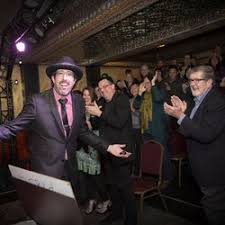 No matter how effective the magical atmosphere and pre-show festivities are in setting the stage for what follows, they are not going to amount to much without a main event that really hits the jackpot. Quite simply Jay knocks the ball out of the park with his 75-minute “Mind Tricks Live” show that lies at the heart of the Marrakech experience. If you have never seen Jay’s incredible blend of mentalism, mind games and comedic entertainment then be prepared to watch a master at work. As a performer who regularly entertains huge audiences, and in major theaters, it is a rare treat to experience Jay’s talent in such intimate circumstances. Over the years the show has become so polished that it now allows Jay to improvise and ad-lib to devastating effect. Some of Alexander’s approach to the standard art of Q &A is so fresh and effective it may take away the breath of veteran mentalists. While I could try and paint a picture of what he physically does, I can’t hope to capture the impact of the way Alexander emotionally and existentially connects with his audiences. Is he playing games, reading minds or doing both? The crowds are never really sure and quickly cease to worry about definitions as they jump onboard the runaway express that is a performance by Jay Alexander. This guy is a force of nature and one of the very few magical entertainers who never fail to receive a standing ovation at the conclusion of their shows.
I am very impressed by the systematic way Jay has created a magical experience that perfectly showcases his specific skills. 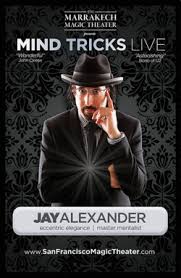 Many a magic venue has floundered by assuming that the general public’s interest in magic is greater than it is and that every non-magician has a deep and profound fascination in Houdini! For every Magic Castle, there are quite literally hundreds of magical “start-ups” that have quickly wound down. Jay Alexander has created a magical event built on a previous club started in this space by Peter Morrison, that quite simply works and delivers the goods. The closest experience I can think of is Warren Gibson’s wildly popular “Warren and Annabelle’s” magic venue in Maui, Hawaii. Interestingly enough both ventures are based on the initial willingness of the creator/stars to invest an enormous amount of their energy and time as the centerpieces of their own productions. I believe this intrinsic understanding of their own personal strengths and appeal as performers has a tremendous amount to do with the success of their ventures.
I asked Alexander how he managed to not only launch his new Magic Theater but also continue a successful separate corporate career that is expanding rather than contracting in the face of his new theatrical commitment. Jay replied with a laugh, “ I get up early, and work hard and late!” This simple philosophy may be a huge part of his success, and people who want to be millionaires on minimum wage ethics generally fall by the wayside fairly quickly. As a long time fan of Jay, I fully expect this latest venture to continue on the successful path on which it has begun. I strongly recommend you spend an evening at The Marrakech Magic Theater, settle back for an unforgettable evening in the hands of a master entertainer and entrepreneur, and enjoy the experience! You can find full details and you’re your tickets for the event at www.sanfranciscomagictheater.com


