A New Years Evening with Peter Reveen.

•April 8, 2013 • 2 Comments

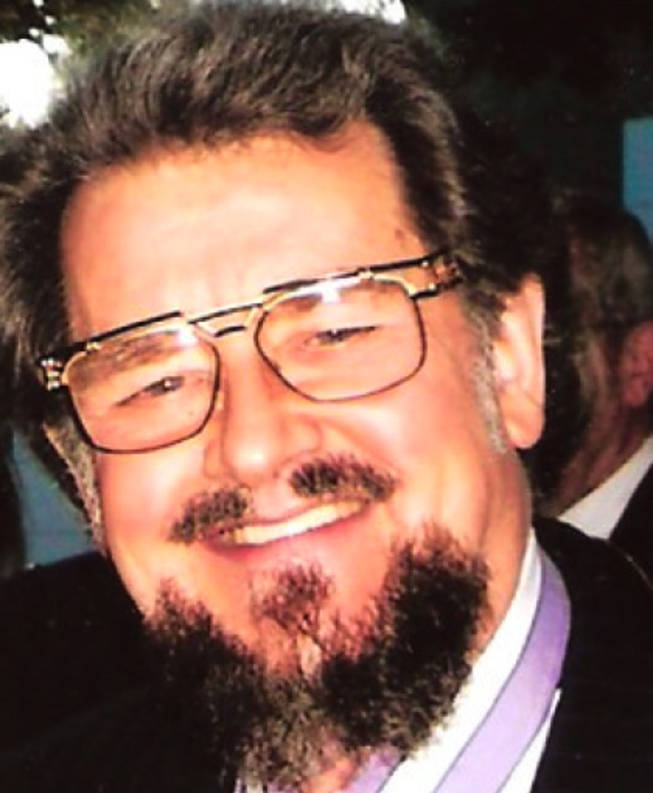
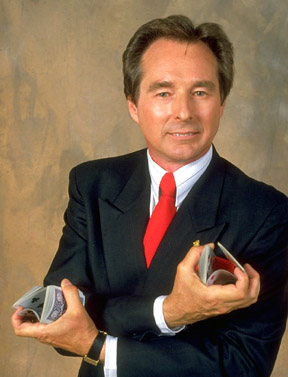
It was with great sorrow that I heard of the passing of Peter Reveen. He was a great man on so many levels. This is an excerpt from a column I wrote a few years ago about a surprise visit from Peter one New Years Eve. I have never ben a great fan of New Years Eve—most performs who have worked them aren’t, however this one proved a gentle, surprise delight. It is how I will always chose to remember Peter on a personal level Goodbye, my friend.

Peter ReveenThis year I enjoyed the quietest and most enjoyable New Years Evening that I can recall. My daughters had left Las Vegas after the Christmas holidays and Susan and I were planning to enjoy a ‘Curb Your Enthusiasm’ marathon.  We had hosted a highly enjoyable party for our Vegas friends a few days previously and thought our socializing was complete. Then the phone rang…………

On the phone was Peter Reveen and he had remembered a conversation we had during our party about my lifelong fascination with hypnosis. I actually became a magician not through the usual chance viewing of a conjurer but because of my repeated attendance of the wonderful hypnotism show of Edwin Heath.

I have written in this column before about my respect for the enormous talent and charisma of Reveen as a magician. I have always considered his version of the Knights Tour to be one of the great theatrical magical presentations. I mentioned to Peter that one of my great regrets was never having experienced his legendary hypnosis shows.

Peter has just finished yet another tour of Canada and on my recent tours I saw an old record album of his in a music store in Halifax. The young man who sold me the album told me that he was going to be attending the Reveen show in a few days. In fact he told me he had grown up attending Peter’s shows since his early childhood! Now that is the kind of fan base to be really proud of.

On New Years Eve Peter arrived at our home with some DVD’s filmed during his hypnotic show over the years. We sat down, had a glass of wine, ate some simple food and I got to see the reason that Peter is a legend in the world of hypnotism. The skilled manner in which Peter handled the audience was a real eye opener and his pacing was a true lesson in show business.

To see the style with which audience members were brought onstage, his induction and the speed at which non-suitable volunteers were returned to the auditorium was breathtaking. Peter along with his wife Coral and son Tyrone formed a well-oiled and perfectly calibrated machine as they turned what is often the least interesting part of a hypnosis show into fascinating entertainment. Once the show began it was pure entertainment all the way. Peter’s command and presence was magnetic as he turned that group of strangers into a display of world-class entertainment. Everyone was treated with a dignity that in no way interfered with the fun.

These days Las Vegas is home to nearly as many hypnotists as magicians. Most of them present a dirty show that ultimately demeans its unpaid stars. Sure it gets laughs, however compared to the funny but family friendly Raveen experience this new breed of hypnotists kind of want to make you take a shower after watching them perform!

It was a wonderful New Years Eve: quiet, sober and in the company of a good friend from whom I learned a lot. Perfect!

Copperfield’s Lair and Welles’ Harness! Part 2 of 2.

•April 5, 2013 • Leave a Comment

David and OrsonA recent blog post detailed my delightful visit and tour of David Copperfield’s unique Las Vegas HQ. Well one really neat thing happened during my visit and I want to share it with you in this weeks column. It involved David’s magnificent museum that is housed in his warehouse complex.

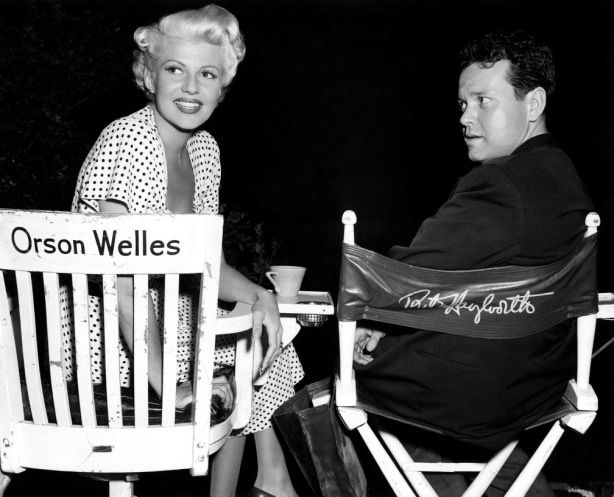
One of the museum’s major exhibits was dedicated to Orson Welles and his career as a magician. Welles was the host of David’s first television special and due to this obviously holds a special place in his heart and history. Several of the props on display were from the famous Orson Welles/Rita Hayworth USO tour that took place during World War Two.

I Float LucyIn a casual manner I asked David if he knew who owned the Owen’s broom suspension harness that they had used on the tour, which Welles subsequently utilized with Lucille Ball on the ‘I Love Lucy’ show. He replied, with just a hint of exasperation in his voice that he didn’t, I could tell the question went right to the collector in him. I replied in the same casual tone, “Oh, I do.” There was a brief silence. Copperfield looked at me rather sharply and replied, “…but you’re not a collector.” He did of course have a very good point—I have avidly collected many things in my life, but never magic props. This just happened to be one of the two collectible items that I did own, and this was a sheer coincidence. As far as I was concerned  it had always been a working prop.

In fact, I am so unexcited by magic props that this  fascinating relic was residing somewhere in my garage in an old duffle bag in a rather unloved condition. I had bought the prop from Piet Paulo, who had acquired it from the Chuck Kirkham collection. The prop had been hand made by Carl Owen for Orson Welles and especially fitted to the delightful contours of Ms. Hayworth. After the couple’s USO tour the broomstick suspension was passed on from Welles to Kirkham, with the condition that if Orson wanted to perform it then he could borrow the props back from Chuck.

This did in fact happen on seveNick David & Harnessral occasions and with the assistance of Kirkham, and sometimes his wife Phyllis, Welles presented the illusion in his own inimitable and grandiose style on several outings. The famous ‘I Love Lucy’ episode was one of these occasions. I just happened to be in the right place, with the right cash, to pick up the harness when I needed it for a corporate event. I discarded the brooms and used it for a microphone suspension. That harness was a gorgeous, but incredibly heavy prop! After using it for several years my partner BooBoo gave me an ultimatum–it was a lighter harness or a new assistant —the decision was easy. The harness went into my garage and stayed there.

Welles & HayworthLooking at all the wonderful props on display in David’s museum gave me more than a slightly guilty pang and I made an instantaneous decision, “Would you like it for the museum?” I said. David replied, and this may not surprise you, “Yes!” I was just delighted to think that this wonderful prop would find a new home, where it would be better housed than in a duffle bag in a overcrowded garage. I thought the history of the prop left it deserving of a better fate. A couple of weeks later my daughter Natasha and I took the harness down to the MGM Grand and after catching David’s performance, it officially changed hands once again.

I have posted some photos of the harness and some of these moments in its history on my blog if you want to check them out at www.remarkablemagic.com and you might enjoy the visuals. As a big fan of Orson Welles, Piet Paulo and David Copperfield I relish having my own little place in the history of this iconic and unique prop. It’s probably good for a couple of comps to David’s show too, if I ever want them!

I have some great products and videos online. Check them out on my web site.  www.nicklewin.com

Billy McComb: The Godfather of Comedy Magic

•April 2, 2013 • 5 Comments

I ultimately planned on becoming a comedy magician just after I decided not to follow in my father’s footsteps as a chartered accountant. It really wasn’t too tough a decision. I loved magic, and when it came to numbers I could make one and one add up to three quicker than a quantum physicist.

Growing up in post war England made being a comedy magician seem like a logical choice. With logic like that maybe I should have been a quantum physicist! Now, being an entertainer is my life but I have no real way of proving it.

One of the best parts about being a young magical devotee in London were all the great comedy magicians you could watch, absorb and learn from. As you are probably beginning to realize nearly everything I learned about comedy magic came from two people: Ken Brooke and Billy McComb. I don’t think you could find two better or more different teachers.

I want to take this opportunity to share some of the insights I learned from Billy McComb. They have shaped me into the performer that I finally became, after I realized I could never become Billy.

You have never seen a comedy magician take his comedy as seriously as Billy did, he gave the comedy in his act the same meticulous attention he gave his magic. Billy’s timing and delivery of a comedy monologue was that of a comedian, not just a magician with time to kill. His casual asides and offhand delivery were as precise as a Johnny Thompson dove steal.

There is no question in my mind that, but for his love of magic, Billy could have been one of England’s top comedians.  Billy has noted Jay Marshall as one of his inspirational mentor so maybe it‘s no coincidence that this same statement applies to Jay in the United States.

Before we talk about the McCombical approach to comedy, let me give you some of my ideas on comedy as it applies to magic. Having made a comfortable living for over thirty-five years performing comedy magic I’ll state one thing upfront: the comedy is tougher than the magic. It can take years to perfect a trick, but you might never learn to be funny.

There are no books that teach you the ABCs of being funny and it makes no difference how long you practice in front of a mirror. Only by performing to a live audience can you improve your laugh ratio and even with copious experience this doesn’t happen automatically. Along the way you need to take a lot of notes and then you have to put the notes into application.

If you want to save time and effort and be funny, it is much easier to be a humorous magician than to perform stand-up comedy. A humorous magician is someone who lets the situation create the comedy and then comments upon what happens.

Monologue comedy is a much more exacting mistress. A stand-up comedian chooses and uses his words with the same care a surgeon utilizes in choosing where and what he cuts.  Cut being the operative word. After fifteen years headlining in comedy clubs I can assure you the way comedian’s improve their acts is by cutting out unnecessary words.

The great Henny Youngman demonstrated this to perfection when he said: “Take my wife, please.”  He packaged a set up and punch line into just four words and ended up with a trademark joke that will live forever. Brevity is truly the source of all humor.

One thing I learned very quickly in the comedy circuit is how little respect the average magician and juggler receive from comedians. By the time I had started to learn the ropes I had begun to understand why this was the case.

Comics, generally speaking, think that magicians utilize stock lines and get away with stale material only because they have the magic to save their rear ends. It is certainly true that people tend to laugh during a magic show simply because they realize they are supposed too.I call this the “Patter Syndrome.”  Just what the heck is this thing called patter that pops up so often in magic literature? The dictionary defines it as: ‘Meaningless empty chatter: to speak rapidly and glibly or to repeat something quickly in a mechanical way. When a comedy magician wants to give a stand-up comedian a run for his money, he must throw away his ‘patter’ and in its place use words that are well chosen and conscious, and don’t even get me started on heckler stoppers!

Comedians spend a lot of time working on their character, which (believe me!) has nothing to do with improving any ungentlemanly or lady like traits. What they are doing is making sure they don’t sacrifice their performing persona just for a fast laugh. Comedy is only real, then, when you are.  Once the audience thinks that they know where you are coming from and who you are, then the comedy takes on an extra dimension.

I could go on telling you my thoughts on comedy, but I have a better idea. I want to continue by sharing some tips Billy McComb taught me over the years about performing comedy magic.  Billy had a secret prop and it is one you can’t buy in a limited edition, sterling silver version from the Joe’s Porper or Stevens.

McComb used a small digital tape recorder that fitted into his top pocket and he audiotaped almost every one of his performances. After each show he would listen carefully to the recording and make note of what worked and also how to make it work even better.

While listening to the recording Billy applied the Bob Hope rule. If there isn’t a laugh every thirty seconds then there should be.  This is one of the reasons that Billy worked well into his eighth decade and was able to open shows for Amazing Jonathan in Las Vegas into his eighties winning an audiences of crazed A.J. fanatics.  These were the kind of audiences were would give short shrift to most contemporary performers, let alone someone who looks like their grandfather.

In the age of videotape it is easy to forget how effective it is to concentrate just on your words and the audience reaction to those words.  In McComb’s case it was astounding how little you really needed the visuals while listening to his show. Billy had a simple rule, he told the audience what he was going to do, he described it as he did it and then he told them what he had done after he had done it.

Sometimes when people are laughing they don’t pay as much attention to the tricks as they might desire. This is such a simple technique that it’s almost impossible to grasp how effective it is until you try it for yourself.

One other practice that I’ve learned from Billy is keeping your jokes in a particular sequence and attaching them to specific tricks. This is a great way to keep your comedy fluent and yet consistent. It is tempting to think you can shift hunks of comedy around in your act, moving them from trick to trick. However it isn’t nearly as easy as it seems. It is much more effective to keep those comedy building blocks separate and solid.

When you get a sequence right, keep it that way. Many of Billy’s props had a list of punch lines written on them. Just knowing the list is there allowed him to relax and concentrate on his real job, which was telling jokes.  It enables you to relax and make things look effortless.

A reporter once asked movie star Gary Cooper about his technique as an actor. Cooper replied: “ Acting is great, just never get caught doing it.” It’s the same with comedy, make ‘em laugh but just don’t get caught doing it. The funniest jokes are the ones that seem to happen on their own. This is comedy 101.

Thank you, Billy. You were the Godfather of Comedy Magic. Without you I wouldn’t be the comedy magician I am today: in fact I might even have ended up as a chartered accountant, and that would have been no joke.


The Uniquely Wonderful Bruce Cervon.

•April 1, 2013 • Leave a Comment

bcWhen I first met Bruce Cervon, in the 70’s I found him just a little intimidating. For a start there was his act; which was about as perfect as any close-up I had ever seen. Then there was the classic Cervon cool. He pretty much made Clint Eastwood’s Dirty Harry look like an awkward high school kid. I was therefore pleased when I was booked to perform with him at a promotional event in a Los Angeles saving and loan bank. It seemed to be a splendid chance to get to know him a little bit.

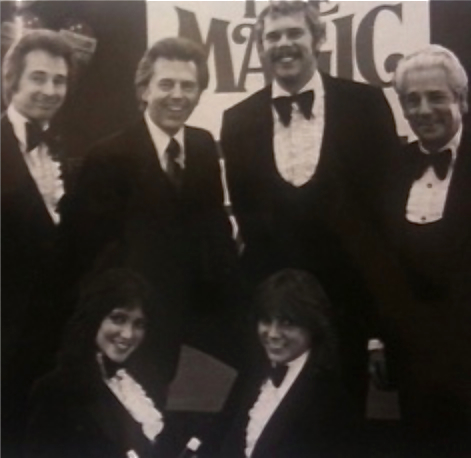
When I arrived at the gig I was surprised to discover that Bruce was not performing close up magic at the show but was hosting and performing in the stage show. The entire event was produced by Mark Wilson. The opening of the show featured two dancing assistants who flourished silks that turned into canes as they shouted, “Here’s Bruce Cervon” and there he was. 

To my surprise Bruce was a superb stand up performer. Not only did he perform a couple of illusions, but he also floored me with one of the most commercial comedic stand up routines I had ever seen. The effect he performed was a slick blend of the 6 Card Repeat/Cards to Pocket. I consider his hybrid of these two classic tricks to be a gem of contemporary magic.

His performance also featured a variation on the Kaps notes that seemed totally impossible to me– and I had learned the trick from Fred Kaps himself. The changing of the paper to bills was instantaneous and totally impossible. It just blew my mind. To be honest I still have no idea how he did that trick but that’s Bruce Cervon for you, as close to perfection as any magician ever needed to be.  It later re-surfaced in the magic world as an marketed item Extreme Burn—it is still amazing!

During the course of the afternoon Bruce and I began to chat and we discovered that we had a mutual interest in Magic Time!music and our rather extensive record collections. Bruce suggested I drop by one afternoon to explore the gems in his collection. I happily agreed.

I ended up spending quite a few afternoons at Bruce’s home and enjoyed listening to his erudite and entertaining run down of American popular music. One thing the two of us never did was talk about magic. I guess many people lucky enough to spend time with Bruce would dream of coming away with a new double lift. I was overjoyed to leave his home having discovered Mose Allison. The album of Mose that Bruce gave me is still in my collection along with many others I have acquired over the years. 

A few months later I was booked on another ‘Savings & Loan’ show with Bruce but this time we were joined by Scottish master magician Ron Wilson. I told Ron about the mysterious manner in which Bruce could perform the Blank Paper to Dollar Bills without any of the usual folding or covering of the paper. I was determined to discover how it was accomplished this time.

When Bruce performed the trick Ron and I were both watching intently. He fooled us both completely. There were six more shows and Ron and I managed to watch the trick six more times from six different angles and positions. We went up to the second floor of the bank building and watched, we stayed backstage and watched from behind. However by the end of the engagement we were no wiser to Bruce’s methods. 

Much of my previous words are taken from an article I wrote  for my weekly column ‘Meetings With Remarkable Magicians’ in the Magic New Zealand ezine. I usually get a lively email response from my pieces and I always look forward to reading the notes I receive. I often learn a great deal from them. I was particularly pleased at a note I received from Bruce in which he said he always read my pieces and had enjoyed my column about him. Other emails filled my Earthlink inbox and were something of an eye opener to me. 

Magicians from all over the world wanted to share their stories about Bruce. Most of the people writing were not the high flying and famous magicians we see on the covers of magic magazines. These were the magic lovers who fly low enough in the magic world that they escape the radar. In fact some of them flew so low under the fame radar that they probably stopped at traffic lights. 

DVDRSEXTREMEBURN-FULLThese emails had a great deal in common. They were all from true lovers of magic and they all seemed to tell the same story. They came from people who had been truly touched by the sincere way that Bruce had interacted with them. These magical enthusiasts and hobbyists spoke of times when Bruce had taken the time to share his time and knowledge with them. To their amazement this legitimate superstar of magic had gone out of his way to make himself available to them.

Each story was a little different. Sometimes it was when Bruce would sit down and take the time to really teach them a routine or a move. Some people had stories that touched on the other facets of Bruce such as his love of music. Each person had been lifted to a new height by the way Bruce had generously shared his time.

As I read those emails I received I wondered how many other times similar incidents must have occurred. I would guess it was a very large number indeed. Here is someone who truly loved magic and the people who performed it. Cervon not only devoted his time to magic but also to the people who performed it,

Over the years my wife Susan and I were lucky enough to get to know Bruce and Linda Cervon and their daughters Kellee & Marcella a little bit. I never asked Bruce to teach me the ‘work’ on the Kaps Notes. He taught me a lot of other things though such as balancing work and family and not giving short shift to either one; and that is the real ‘real work.’

Bruce also introduced me to Mose Allison and eating a Monte Christo sandwich covered with jelly: for this and more I am very grateful.


A TV Baptism by Fire.

•March 30, 2013 • 1 Comment

NickUsually when people ask me what was my first television appearance in America I tell them it was the Merv Griffin Show back in 1979. This isn’t actually true but I have only recently come to my own ease with the real answer. Like many frightening experiences it has seemed to find a way to hide itself away in a dusty, hidden corner of my brain.

The very first television show that I ever appeared on was ‘Wonderama,’ the highly revered children’s show filmed in New York. The show was hosted by Bob McAllister and produced by Dennis Marks and it was a New York legend.Just like attending the ‘Bozo the Clown’ show in Chicago (I believe!) kids had to apply for their free tickets so far in advance that they could sometimes become teenagers before receiving them!

I arrived in New York and stayed at the Mayflower Hotel. I stayed there for two reasons; because it had a vaguely ‘Englishy’ title and because it was incredibly inexpensive.When I saw it I understood the incredibly inexpensive thing, It looked like a cross between a grimy ‘Film Noir’ from the 30’s and an episode from the ‘Twilight Zone.’ I’m not actually saying that there were little twin girls prowling the corridors saying; “Play with us FOREVER” but there certainly could have been.

Even more alarming was the pre-show meeting at the studio the next day when we discussed what effects I would perform on the taping that afternoon. I had packed a massive amount of material and was sure that we could find something suitable. After a brief consultation with Dennis, I discovered that every trick that I had brought with me; had already been performed by someone before. Someone, I may add who had a lot more ‘street creds’ than me in the TV

World. Eventually Dennis steered me towards two tricks that I had recently received from Ken Brooke and were basically unseen in the general magic world. I had wonderamaheadercertainly never performed them in public before! The tricks we chose for my two short segments were ‘The Kornwinder Car’ and a curiously bastardized version of Maurice Fogel’s ‘Second Spot,’ which involved the 5 kids choosing a plastic toy and then getting to keep it, if my ‘psychometric powers’ proved correct.

I found a quiet spot in the studio and feverishly began working on that damn little red car that Dick Kornwinder had created. If you did everything correctly with it, then it stopped its movement on a previously selected card. For me, at this point, it sometimes did and sometimes didn’t, which was a rather worrying state of affairs two hours before taping a television set.

Then came the scariest moment of all, they let the kids into the studio! They were the loudest, roughest, toughest and most frightening bunch of youngsters I had ever seen.  It looked like middle school production of ‘West Side Story’ that had got seriously out of hand. The ‘Wonderama’ crowd knew exactly how to deal with this overexcited bunch of kids though. While they didn’t actually (to my knowledge) use cattle prods, they got them into place and the filming began.

I would like to give you some more details as to how the event played out, however my memories of the occasion are as blank as the business side of a ‘Mental Photography’ deck. I am told it went very well and my tricks were well received. The kids got their selected toys and that little red card stopped on the right card. I however have absolutely no memory of a single thing that happened

……..and that is why I generally refer to the ‘Merv Griffin Show’ as my first television show!


A Midnight Visit to David Copperfield’s Lair…….

•March 29, 2013 • Leave a Comment

Nick & David CopperfieldI had a wonderful opportunity a few years ago to visit David Copperfield’s warehouse/office/museum complex in Las Vegas. It was a delightful experience and one that I will long treasure, and I want to share some aspects of it in this column. There were also a couple of neat surprises included that I won’t spoil, in case you get the chance to do the tour yourself.

I was spending the evening in the company of my old buddy Mike Weatherford who is the reviewer and entertainment columnist for the Las Vegas Review Journal. The evening started on a high note when we attended a concert at the Planet Hollywood Performing Arts Centre. The show featured Bob Dylan and Merle Haggard in concert and both of these legendary performers were at the top of their game. Not much gets better than that for me…….

We were set to meet David at exactly midnight in the entrance to his impressive facility in the industrial section of Las Vegas, which runs parallel to the infinitely more glitzy Las Vegas strip. In a golden afterglow from a near perfect concert, Mike and I joined a small group for the tour. It was clear from the start that this was going to be a very carefully  conducted and constructed ex

perience.

When we arrived inside the building we were seated in front of a spectacularly large ‘big screen’ TV and watched a short film about the singular career imagesandachievements of Mr Copperfield. I knew the details about most of what I saw on the screen, but it was still highly impressive to see the information gathered in one presentation. After the video  had finished David arrived in person and began the actual tour.

Let me say immediately, that if you wanted a lesson in charm and grace then you need look no further than the way David handled the tour. He made it personal and friendly and although you realized intellectually that he must have done hundreds of similar tours it didn’t feel that way for a single minute. He had performed at least two shows that day at the Hollywood Theatre at the MGM Grand, however you would never have guessed it by his energy level.

The largest element of the facilities contents were the stacks of travel cases containing the illusions that have been featured in David’s television and live performance career. To a performer like myself, it was astounding just to imagine the contents of the neatly stacked cases. It was so amazingly tidy and immaculately lined up that I suspect if one item had been out of place it would have been noticeable. I felt just a little guilty about the haphazard manner in which my tiny collection of props were stored.

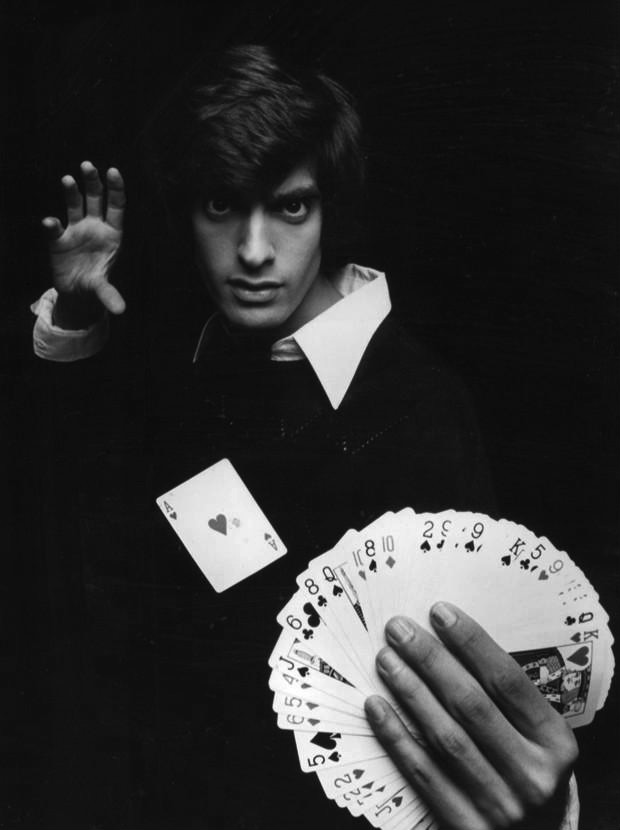
A youthful DavidThe library and museum sections of the tour were as fascinating as anything I’ve ever witnessed in the magic world. Though Norm and Lupe Nielsen’s home and art gallery deserves a special shout out. Copperfield’s collection of posters and books was mind blowing and to a book freak like myself called out for a full exploration–which needless to say was not forthcoming. David commented that he owned half of Houdini’s library and you really don’t want anyone thumbing through that kind of memorabilia! I half jokingly asked David why he just owned half of the Houdini collection, I believe I noted just a hint of chagrin in his response that the Library of Congress owned the rest!

The magic props on display were fascinating, especially intriguing were the collection of automatons—many of which dated back to Robert Houdin. There were many items that I was only familiar with from books and was not aware that they still existed in person. The magic props were arranged in artistic tableaus based around various themes. There were items of huge historical interest and some of intensely personal meaning to David. I particularly loved the collection of magic sets that occupied one display area.

One of the exhibitions was devoted to magical memorabilia connected to the late Orson Welles. It was apparent that Mr Welles had a special place in David’s heart as he had been the host of his very first television special. In another blog I will tell you about a neat way that I was able to make my own mark on this remarkable collection and the Orson Welles segment in particular.

I have some great products and videos online. Check them out on my web site.  www.nicklewin.com

Burt Wonderstone, Don’t shoot me—I really laughed a lot!

•March 28, 2013 • 2 Comments

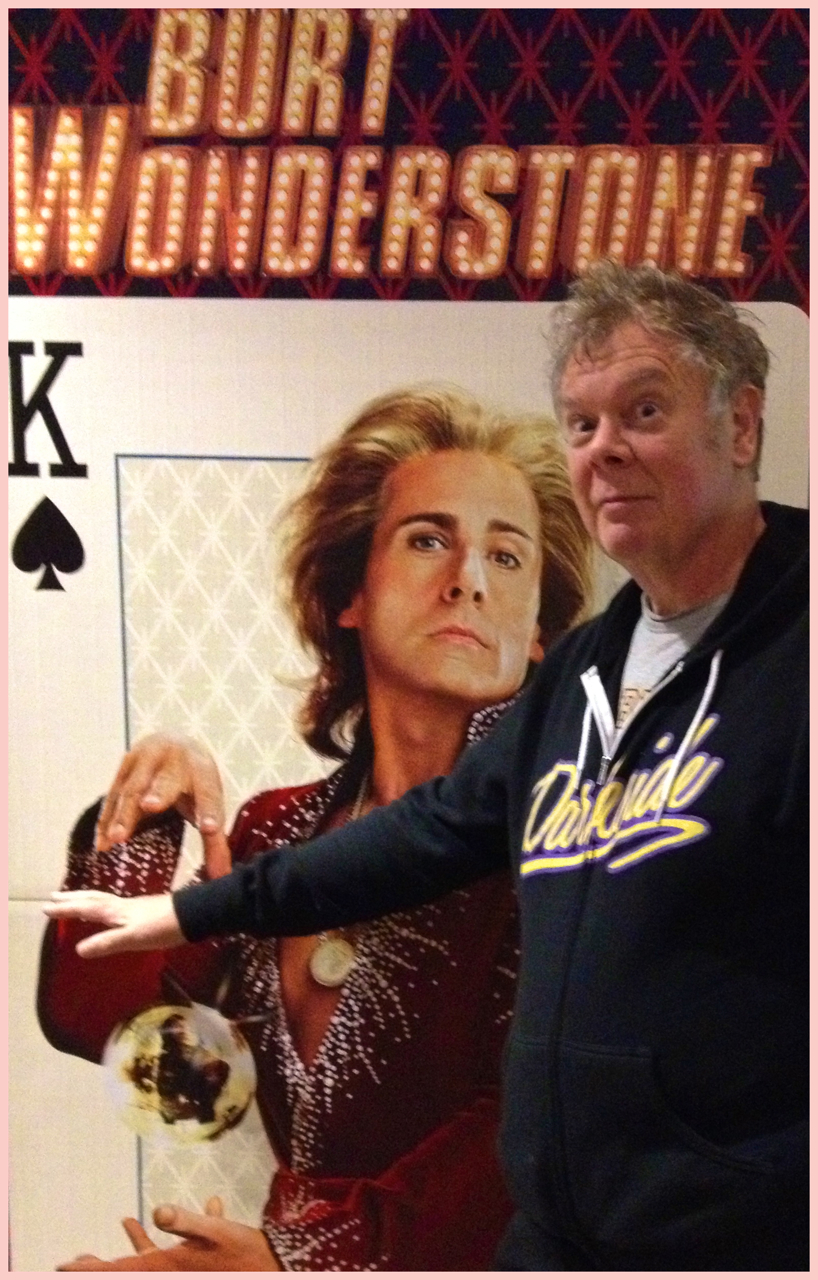
Nick WonderstoneI wasn’t totally surprised that Burt Wonderstone didn’t do huge business at the box office. I AM a little surprised that it tanked as badly as it did. A Will Farrell movie that was missing Farrell—-I think that description that has been flying around really sells the stars short. I am no big Steve Carell fan either!

I was in Europe when it was released and just caught it this week and I laughed a lot. I thought it was well written and packed in a lot of laughs. I also thought it was a pretty darn accurate look at many of the underlying quirks in the magic world. As a long term resident of Vegas and an unbelievably long term magician, I just can’t think why it was received in a relatively luke-warm manner by the magic world. I thought there was a lot of sophisticated insight going on under the gags.

What were magicians expecting? Did it underline some of the more pathetic qualities that so often plague members of the community? What was the problem, it kept the laughs moving nicely and delivered (I suspect) exactly what the writers were going for. Count me surprised–of course I really didn’t enjoy ‘The Illusionist’ or ‘The Prestige’ very much and found them both pretty bland and boring. They were, however, more flattering to an amateur (sorry, hobbyist) magician’s self image!

Count me surprised………

What did you think?

There is NEVER enough work!

•March 27, 2013 • Leave a Comment

evolveThe economic downturn that has hit the world has certainly cut down on the amount of gigs that are available for jobbing magicians. Yeh, so what’s new! Ever since I can remember (except for a few golden years in the 80s) there have been people in panic about the shortage of work. However I hear a lot of talk about it now as I travel performing my shows.

Sure there is less money around and things are tighter. Well when the times get tough, the tough get going. This is when you need to think very carefully about marketing to the audiences that still want to hire magicians. It is also the time to make sure your magic product is really top notch. A magician who does a poor job may not only be hurting his chances of future work but he may be spoiling the field for other magicians who do a better job; brutal but true. Having a web site and a video no longer guarantee bookings. This is a good time to stretch the envelope a little.

One of the secrets that a real pro discovers is that when one door closes another one tends to open. You may have to really keep your eyes open for it though, it may just open a crack and there may me a bunch of magicians waiting in line to put their foot in the door. What is interesting is that the real pros usually keep working when each new disaster hits the work scene. They have to– because a true pro has to work or he doesn’t eat, and that really keeps you on your toes. The first thing to do is to look for the areas of work that are still available and paying money.

I would suggest that the most vital and essential skill is the art of adaptability. People usually mistakenly think that Darwin’s theory of relativity refers to ‘the survival of the fittest,’ what he actually says is ‘the survival of the most adaptable.’ Words to live by.

For instance why not try getting a small co-operative of magicians together and staging a show on the quiet night in a local venue. Don’t forget that restaurants Wondergroundhotels and clubs are having some challenging times economically too. Make them an offer they can’t refuse. Comedians work very hard at finding stage time in order to develop their work and to promote themselves. Magicians should too.

Magicians tend to think more in terms of working for other magicians at the local club or magic conventions. A less fruitful way of obtaining work or improving performing skills for real (i.e. paying audiences) can scarcely be imagined. However a small group of magicians can create a showcase that can result in actual paying gigs. Don’t expect the showcase to make much money for you, just use it to garner exposure to some potential paying clients.

Decide on a market that has some serious potential for development in your town. Private parties, fundraisers, kid’s shows, promotional shows etc. Then market your show (case) for the kind of people who book them. Make sure you present the very best entertainers in these areas; not just the hotshot from the local club that the other magicians adore. He might bore the pants of a ‘real’ audience.

shapeimage_1When you get a nibble from a potential buyer is when you can harvest the full benefits of your group activities by engaging in some subtle ‘up-selling.’ See if you can add a couple of close up guys to an after-dinner show or alternatively if someone wants a close-up show then try and pitch an after-dinner performer. There is only strength in numbers when you work together.

Think like a team and work as a team and you might be surprised at the doors that open, at the very worst you will learn a lot about the very real skills of producing an event. The other added bonus is that you will be improving those performing skills that are the true bread and butter of a busy working pro.

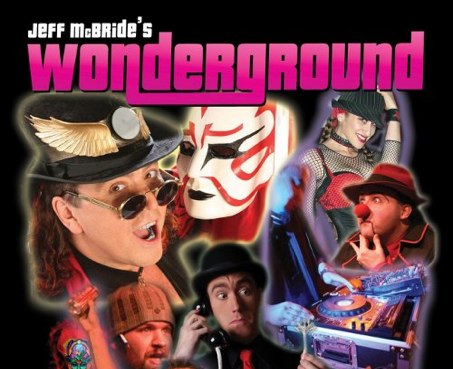
Events of this kind are the way comedy clubs sprung up in the early 80s. Plan and execute a successful event on a regular basis (once a week or once a month, as long as it’s consistent) and see where it can take you. Let me assure you that each month Jeff McBride’s ‘Wonderground’ in Las Vegas attracts a sizeable crowd that many major casino showrooms would kill for. Monday Night Magic in New York and the Mystery Lounge in Boston do the same. If you want to be in show business then you had better put on a show! No more bitching about no work, get cracking on finding it!

Check out my line of really commercial routines and products at www.nicklewin.com


The Art and Science of Doing Nothing—Apparently.

•March 25, 2013 • Leave a Comment

Nick LewinDuring the last 20 years I have had a goal in my performance of magic, that goal is to make it look as though I am doing nothing at all. This leaves me free to look as though all I am doing is reacting to what is going on. This is a much tougher goal than one thinks at first sight—but well worth exploring.

If you are performing magic the first thing to eliminate is any appearance of doing moves or magician type things. I have vigorously moved  in this direction by discarding the desire to conceal anything. When I want to steal a prop to assist in my work, for instance ‘stealing’ a folding half dollar to stick in the neck of a bottle, I make it a point to find the correct psychological moment to put my hand into my pocket in a natural manner and simply remove the coin.

There was a time when I used to load the half dollar into the top of my jacket sleeve and then, at the correct time, after showing my hands empty I would allow the coin to drop down from my sleeve into my hand. A neat maneuver but totally unnecessary, and while marginally cleaner in some ways, it adds three things to the performing mix that I am now delighted to avoid;

1  A potential disaster like the coin hitting my shirtsleeve in the wrong manner and dropping to the ground.

2   Showing my hands empty when nobody thinks there is anything in them to begin with.

3    Making two moves when all you really need to do is no move.

There was quite a debate amongst close-up magicians at the ‘Magic Castle’ back in the seventies as to whether a card worker should appear to ‘show-offy’ with his handling of a deck of cards or should handle the deck rather clumsily as though he was incapable of doing any ‘wiz-bang’ moves. It was always clear to me that the answer lay in between the two extremes and was totally individual to each particular performer’s personality. This is an extension of that thinking.

The more carefully you study your movements the more naturally you can eliminate the unnecessary ones. Why ‘show’ a hand empty when you can ‘gesture’ with it and prove it empty without making a big deal about it. If you work too hard at making sure the audience knows that your hand is empty they start to wonder if you have something palmed there.  If you have something in palmed in your hand and just hold the hand naturally, then you haven’t aroused any suspicion. Don’t hide if they aren’t looking.

This is just one tiny example that I have explored in some detail but the same principle can be utilized in many situations. Doing things in this way does also causes the performer to look at his act in an overview rather than a trick-by-trick manner. To do this you are going to need to be comfortable having your hands in your pockets during your performance and if this seems strange, then you are going to have to sequence your actions so that you secretly remove the coin from your pocket while placing something else into it.

The only time I ever make any ‘magician type moves’ is when I am doing nothing at all—-and then I am almost always doing it to make fun of the kind of gestures that some magicians make during their show. The best kind of magic just appears to happen. Don’t try to make it look tougher, harder or cleverer than it need be, just let the magic speak for itself.

If you think for a moment that any audience (other than kids) are not aware of the accumulative effect of what you are doing then you are probably underestimating them. By concentrating your efforts into an integrated style of presentation you are achieving a much more sophisticated performance than by letting the trick (or move) dictate the manner in which you perform that particular effect. Is most of this subliminal, YES and all the more powerful because of it.

This approach to eliminating the unnecessary so you can simplify the necessary is to me the equivalent to the way a good comedian ruthlessly cuts every word in a joke that is not absolutely necessary to making it funny. Oh, that leads me directly to eliminating every statement in your show that doesn’t get a laugh or add to the effect—-but that’s another column though.


This Magic Thing—for the comedy magician.

•March 23, 2013 • Leave a Comment

Tommy CooperWell, having given some thoughts about the comedy side of comedy magic in my last blog post, I thought I had better devote a line or two about the magic side. It is obviously just as important as the comedy issue so, speaking for myself, which I am uniquely qualified to do, here is what I think.

Performing good Comedy Magic is walking a tightrope. If the show get’s too funny then it tends to throw of the audience reaction to the magic you perform. Therefore what you have to do is to make sure that the magic in your act is really, really strong. Obviously I am not talking about the ‘Cod’ magic acts of giants passed on like Carl Ballentine and Tommy Cooper, they are from a previous era. I’m sure with the cyclic nature of the entertainment business they will return, but now is NOW. Try talking to an agent or TV booker about a ‘Cod’ magic act and they will just look blankly at you.

The two people who taught me about the importance of keeping the magic in your Comedy Magic act strong were Ken Brooke and Billy McComb. Pretty darn good teachers. Towards the end of his life Billy became very fond of what he called his ‘Hokum’ act, which was a series of gag tricks and items. I will be honest and say that I really missed some of the classical McComb pieces from earlier years such as his Whisky Egg Bag, Ring on Stick, Coin in Bottle etc. If you are presenting a funny magic show, then the occasional real GASP from the audience is needed to keep you upright and balanced on your tightrope.

I am not a great believer in the use of too many ‘Gag’ props or tricks. They tend to smell a little too strongly of mothballs! Worse than that (AHHHH!) they may seemCarl Ballentine like Vaudeville or Burlesque routines. If you think the use of the expression ‘Cod’ magic scares bookers, buyers and agents; just let them get a hint of the word Vaudevillian and watch them head for the hills! It doesn’t matter how you dress it up with expressions like ‘New-Vaudevillian,’ they won’t bite.

Along these lines, there are some tricks that sadly have become a liability to the performer who doesn’t realize that they are quite rightly leading the way on the endangered species list. They might still get a laugh from the audience but that doesn’t matter to ‘The Powers That Be’ and it’s not the audience that can improve your career and increase your prestige and salary. Top of this list is tricks such as the  ’Linking Rings,’ ’20th Century Bra’ and the ‘Bandana routine.’ Up until a few years ago the Bandana/Banana routine was a gem, sadly some idiot released it as a $30 trick and everybody put it into their act. All the performers now use the same tape, the same devils hank and have just devalued the trick as a viable effect. This was a killer routine way back when ‘Allen & Rossi’ were performing it in Vegas in the 60s but its day is done now. The real killing is the guy who started selling them for $30! The ‘Baffling Bra’ still gets laughs but is really quite unacceptable  in today’s climate.  Rather a shame because the props for both tricks weigh nothing and pack flat. I could continue this list but it does more good if you look at your own act with a fresh eye in case it contains one.

Comedy Magicians rightly or wrongly are considered creaky and unoriginal in today’s marketplace and jugglers even more so, thank God! Now I’m not saying there is anything wrong with performing a classic effect if you bring something fresh to the table. Audiences revere classical musicians, they expect them to perform the classics–otherwise they would just be pianists or violinists. What their audience does expect is a different take on the classics in the way they are interpreted and presented. A classical magician must also think this way if they want to remain relevant.

……or to make my point with a Zen or Haiku (or Twitter) style of brevity, strong comedy+strong magic = strong performer with strong bookings.