In 2008, I purchased a business strategies book by Robert Kriegel & David Brandt called Sacred Cows Make the Best Burgers. I loved the title and the premise it was based on. Recently, I came upon the book in one of my bookcases and it flashed through my mind that this was exactly the right approach to tackle some of magic’s recurrent issues. Before we begin, let’s look at what a sacred cow is. In modern usage, the term “sacred cow” refers to an idea or practice that people consider, often unreasonably, immune from question or criticism. You probably see where I’m going with this article, so we will take a closer look at some potential Sacred Cows.
The magic community tends to revere the past and many magicians are loathe to step into the current age. In many ways, numerous magicians have never really left the Victorian era. Look at the props that are still seen in magic shows. Change bags with long poles as handles, chalk/slates, feather flowers, clunky wooden boxes with alarmingly colored pictures stenciled onto them, 6-inch square bird cages, etc, etc.
Magicians love their props; in fact, some really do believe that the audience finds them as irresistible as they do. No layperson goes to a magic show just to look at the props. To any audience, it is important that the magician is “making magic” and not the curious cabinet he places his assistant into. The Victorian era may have been a golden era for magic, but this is 2024 not 1904, if you want to make your act look unintentionally dated carry right on. However, it bares thinking that these props I just mentioned were perfectly contemporary to the time they were devised. Time has not stood still, and neither must we. It is fine to feature one “antique” piece of apparatus and draw attention to its arcane past, but unless you are auditioning for the Smithsonian Museum let’s do our best to keep things relevant.
There are other sacred cows that we can look at. Ever since I started performing magic in the ‘60s I have heard people quoting the Robert-Houdin line “A magician is an actor playing the part of a magician.” I hear this term being used ad nauseum but with a certain contemporary magical misinterpretation. In the last decade scripting, storytelling, and other theatrical ideas are becoming buzzwords in the magic industry. This is a good thing, however, a great many magicians have misunderstood how this affects the central role of the magician/actor conundrum.
Being an actor doesn’t mean you need to wear a steampunk top hat or an exotic costume. This is just the outer image, while the true art of acting is the ability to react to circumstances and other people. When you have done something amazing then look amazed. Look surprised when something surprising has happened. Acting is the way you make your performance more interesting and effective by using verbal, facial, and physical means. Subtlety should be the keynote when it comes to acting in the average magic show. The great Gary Cooper was once asked about acting and replied, “Acting is a wonderful thing but never get caught doing it.” That is a quote that puts everything in the right place.
Scripting is another powerful tool, but it doesn’t mean you need to spin an elaborate yarn about how you learned this magic feat while living in the Himalayas! A good script needs to be as economical with words as possible. The best scripting is writing down what you say and then severely editing it. Magicians use way too many words thus diluting their impact, and needlessly slowing down the show’s pacing. Jay Leno says that when he tries a new joke if it works, he does it again the next show but cuts out one word. If it still gets a laugh, the next night he cuts out another word. George Burns talking to Johnny Carson described this process as “sandpapering.”
Another sacred cow these days is the mystique magicians hold for Harry Houdini. Most of us grew up reading about Houdini’s life and escapes and he holds a special place in our collective hearts. This is not necessarily the case with the general public. Houdini has incredible name recognition in the United States; however, this is not an emotional bond. Of course, there are great ways to weave a Houdini theme into a show or project. Magicians who think that using Houdini’s name will attract a lay audience and fill the seats are being naïve even if it is on Halloween.
The most frequent advice given to any aspiring magician is “Practice, practice, practice!” This dictum is so religiously proclaimed, and with such frequency, that it is a Sacred Cow that requires examining. Practice gives one a chance to develop a sense memory with the props and moves you want to employ. The reason that practice works is because of the repetition involved, if you are practicing doing things incorrectly you are driving errors deep into your mind. Vince Lombardi shared his wisdom when he said, “Practice does not make perfect. Only perfect practice makes perfect.”
There are many sacred cows in a magician’s world, if we just examine our inner meta-beliefs, it is easy to spot our personal sacred cows. Once observed, we can begin to make our decisions unaffected by conventional wisdom. Magic is a creative art and conventional wisdom should be the starting point of your journey and offer you the chance to take off in any direction and test your instincts. The philosopher Friedrich Nietzsche said, “Nothing is true, everything is allowed,” and that is the rallying cry for true creativity. The Dalai Lama put it even more plainly when he said, “Learn the rules so that you know how to break them.”
I always enjoy seeing what is going on in the Facebook magic pages. I like to check what new problems are popping up to rile and polarize the online community. Sadly, there are very few new problems, just the same old ones being recycled more frequently than plots at a “Storytelling Magic” session. On the very positive side, I often get some good ideas for my columns and that’s the case for this month’s article.
I was reading one of Facebook’s many magic pages and my attention was drawn to a question that stopped me in my tracks. It said, as I best remember, “What is the big deal about audience management? Isn’t it just about being kind to your audience and choreography?” I looked at my computer screen and screamed, “NO!” There were many online comments; The Good, The Bad, and The Stupid. After I digress a little, I’ll give you my thoughts on audience management.
You always receive a smorgasbord of answers to a query on social media. If you post a question, “Is it better to start at the beginning of my show or the end?”Then you will be rewarded with a series of responses that allow you to choose the one you like best. I sometimes joke that the Internet has birthed a generation of “Askholes,” people who ask online questions but never focus on any single answer long enough to put it into application. When you go online there is no reason to check your critical thinking at the door.
Now, let’s return to our topic of audience management! In response to the “being kind & choreography” definition of audience management let me begin by saying it is not the entertainer’s goal to be kind to an audience. You should be polite and considerate, but being kind is another matter. The important issue is control, when an entertainer knows how to control an audience then he is succeeding in managing them. What you are looking for is the iron fist in the velvet glove scenario.
The concept of choreography assisting in audience management is only useful if you are talking about everyone knowing where they should be and when. This isn’t a matter of audience management but should be part of your rehearsal process. It is certainly vital to plan out any onstage interaction with a spectator. However, making sure that your volunteer assistant does it is audience management.
The answer that came up most frequently in reply to that audience management question on Facebook was that you need to prepare for any potential problem, or mistake, that might happen during your performance. Yes, you certainly need to consider every possibility for disaster, but again this is part of the rehearsal process. You need to collect all that mental data and store it in the back of your mind for when you need it. It isn’t audience management until you apply it.
Here we have defined the key difficulty in “learning” audience management. The only way to achieve it is in front of a live audience. All that rehearsal and planning before you perform a routine is about being sure you know what to do when things go wrong. You must diagnose a problem and identify the solution instantly. With this kind of skill set the magician can solve potential problems before they become actual problems. Like almost everything relating to performance, the secret is all about STAGE TIME.
I frequently spread the gospel of stage time, but I fully understand that getting that precious stage time is not always easy. However, nothing replaces getting to perform for real audiences, and by that, I don’t mean other magicians. The difference between an amateur and a pro magician is not just the salary, it is the stage time. Since I can’t assist in acquiring stage time for you, let me give you a few simple tips and techniques that might help you in mastering the art and science of audience management.
Earlier in this piece I gave my one-word solution to the pesky problem of administrating audience management. It is ALL about control. If you do not control the audience, then the audience controls the show. Read that again, if you do not control the audience, then the audience controls the show. Let’s take a brief look at how to establish that control. While I am describing these techniques applied to a stage performer, almost all these ideas apply to any kind of performance.
Even before you walk out onstage the control process begins. Have a good introduction printed out on a card for your host or MC to read. Keep it short, simple, and direct. I avoid any humorous or put-down introductions, such as the“DIRECT FROM THE INTERNATIONAL…. HOUSE OF PANCAKES” kind of thing. Work out what the best introduction is to set you up exactly as you want to be regarded. Don’t leave it to chance.
The next item on the agenda is making sure that the walk on music is exactly right for as it will set the mood for your entire show. All this is before the performer has even set foot on stage. From the second your audience sets eyes on him the real work of controlling the audience begins in earnest. One of the most important parts of assuming your role as boss (yes, I said, that and I meant it) is winning your audience’s respect. That is where your clothing/costume comes into play. Dress as well or better than your audience and you are going to find it easier to manage that audience.
Start your show with a strong trick that you are 100% confident in performing. Make sure it is a trick that you don’t need to think about. Also, choose an effect that allows you to make continuous eye contact with the audience as you perform it. Make sure that you engage every sector of the showroom. Establishing this bond with the audience makes it much easier to manage them.
I am not a big fan of the constant self-deprecation that has become a major factor with magicians, I think we inherited this trait from jugglers. These kind of “Thank you for the applause…. both of you” jokes can be repetitious and mechanical. I use three of these kind of jokes, back-to-back, at the top of my show and leave it at that. If you keep telling the audience, you aren’t getting enough applause they might just believe you. What do Rodney Dangerfield and gangsters have in common? They want respect. Go forth and do likewise.
I usually use a “sucker trick” for my first effect. The Color Change Silk or Spotcard have been my “go-to” openers for many years. Why? Because I get to stop, start, and control the audience’s attention and reaction. Of course, I am being warm and funny while I do this. When you take charge, it doesn’t leave a vacuum in the leadership role. It is imperative to capture an audience in the first few minutes of your show or you probably never will.
Another seldom mentioned aspect of successful audience management is tone.Establish the right tone for your performance, one that is within the confines of your stage persona, but a tone that contains a quiet authority. The tone of your show should also be reflected in your tone of voice. If you are having a “volunteer” (never actually let anyone volunteer, always select your assistant) assist you with a routine, make sure you give them very clear instructions about what you want them to do. Many magicians forget to script their dialogue with the assistant, this is something that should be written during your rehearsal phase. If they don’t know exactly what to do, then they probably won’t do it.
There is one situation that is very troublesome to deal with and that is how to deal with a noisy or inattentive audience. Resolving this issue requires careful audience management. One tip widely used by experienced pros is to employ a little performing judo. If the crowd is being noisy then the performer can slow down and speak very quietly. The audience will quickly realize they are not hearing what is happening and will notice that things have slowed down almost to a pause. That is when you reassert yourself as the leader of the pack. As soon as the silence due to your actions becomes palpable, you start to talk again and resume the mantle of authority.
If the “they are noisy, so you go quiet“ tactic sounds scary, don’t worry, just try it! The first time you make it work for you will give you more of an understanding of audience management than a dozen books or articles. If you want to up your game as a magician work on your audience management skills. And, no it has almost nothing to do with kindness or choreography!
Like almost every magician I started learning magic the day after I got my first magic set. I was about eleven-years old at the time and I have been learning magic ever since. Of course, in the intervening sixty-years there has been some seismic changes in the actual process of absorbing knowledge. Here are a few of my thoughts on this topic
Once I had mastered that first magic set, I was excited to discover that our local library had a nice little collection of magic books. This kept me busy for a while as I explored their offerings. I next purchased a couple of “serious” books that dealt exclusively with card magic, my favorite form of magic. My earliest books included Jean Hugard’s “Encyclopedia of Card Magic” and “Basic Card Technique” by Anthony Norman.
Books.
Learning card moves/tricks from a book has a few difficulties that presented themselves almost immediately to the “would-be” magician. I often found both my hands assuming very complicated configurations with the playing cards and then disaster! The page needed turning always at the most crucial moment of the proceedings when I was unable to spare a hand or fingers to get the job done. I quickly became very proficient at turning book pages with my nose. This was a very useful skill to master, and one that has stood me in good stead over the years.
When I arrived in America in 1974, I was delighted by all the magic books that were available. I worked my way through the Harry Lorayne and Paul Harris books. A great deal of “nose turning” took place because of those two incredibly prolific magical creators. I have always been excited to study and own magic books and this has carried through to current days.
Video.
The next paradigm of magical learning was when VHS (and BETA) arrived on the scene. The concept of learning via video was initially a rather foreign notion to me. It certainly is easier to copy someone else’s handling on video. Here was the catch for me, By the time they have mastered the move/routine most people end up closely emulating the magician in the video. Some people even manage to learn the exact patter too. Always remember that there are many ways to execute a move, and the method you are looking for is one that looks the most natural (and deceptive) for YOU.
Learning from a book requires an approach that uses the brain in a rather different manner than learning from video; it takes a little more mental gymnastics and substantially more inner visualization. In my opinion there is quite a qualitative difference in learning from a book. Once you have mastered the move/trick is the ideal time to watch several videos and pick up tips and various alternative handlings.
One thing that didn’t change with those early magic videos was they needed to be re-wound many times to master the exact handling. As my good friend Steve Schlanger says, “A video doesn’t stop!” A book allows you to take things at your own pace. The good news was that it was slightly easier to handle this re-wind maneuver on your VCR with full hands than turning pages in a book. I believe that once, while mastering the Panoramic Shift, I did have to stop and start the VCR with my nose a couple of times.
The next wrinkle on video tutorials arrived, along with personal computers, was the release of a several magic CD-ROMs which were interesting enough, but not as much fun as they should have been. Then began the golden era of video tapes available at good prices. It was a bonanza of great magic taught by the creators themselves. Entrepreneurs like L & L, Joe Stevens, and A1
-MagicMedia did a wonderful job of capturing the very best magicians teaching groundbreaking magic. What’s not to love?
Strangely enough magic books were having their own golden era. Richard Kaufman published many remarkable books and other writers, such as Stephen Minch, all helped propel magical literature to its next level. As magicians we all benefited from the huge advances in learning that were now available. It was possible to research/mix & match/learn and develop your magic as never before.
DVDs.
Next up was the DVD as the latest video delivery system and all the old magic videos were re-released plus a bunch of new ones. However, before you could say, “Blockbuster” the DVD format disappeared faster than a bird cage up the sleeve of a loose jacket. I am always bemused to hear younger magicians proudly proclaim that they no longer have a disc drive on their computer. Guess what? For forty bucks you can get a top notch plug and play USB DVD player; and there are some great deals on magic DVDs out there.
Downloads.
The Download is currently the chosen medium for magic videos. This seems to be future of magic tutorials until innovative technology allows us to teleport a magician into our living room to teach us personally the “real work” on their latest magical creations. What has made downloads so popular is the sheer instant gratification involved in the process. Browsing the web, you spot a cool looking effect and after failing to determine how the trick was accomplished, you press the DOWNLOAD NOW button. A few minutes later you know the secret of the trick—but will you ever perform it? Most likely not, It will be stored on a hard drive along with dozens of other routines. In most cases, by stored what I really mean (certainly in my case!) is lost.
E-books and Digital Reading.
The written word PDF E-book is the equivalent of a video download and I like it a lot. Having spent many years declaring my overwhelming preference for physical paper and ink books I am now very comfortable with digital books and enjoy the many advantages that they offer. I still enjoy reading my physical books but personally I do this to benefit from an overview of someone’s magical philosophy. If I want to learn a specific move/routine I would rather read about it on my iPad. That finishes my rundown on the various evolutions that my lifelong study of magic has taken over the years. However, that still leaves one major new source of learning magic……
The Internet.
The obvious elephant in the room is the mighty impact of the Internet on informing and connecting magicians worldwide. There are more magical podcasts, blogs, and journals than you can shake a stick at on the web. These can be illuminating or alarming depending on which you choose to follow. In this brief synopsis I am going to focus specifically on two unique elements that are Internet specific; they are YouTube and social media.
YouTube.
There is enough malicious exposure of magic methodology on YouTube to be distressing to any magician who still believes that secrets still matter. I can’t watch these videos without my blood beginning to boil. Another equally alarming development is the number of magicians who post excruciating videos performing tricks that they haven’t mastered. Exposure by ineptness. Be careful of what videos you post because they will be around for a long time.
There are, of course, some very positive things on YouTube including seeing past masters performing their effects and finding a decent tutorial to help you master a new move. As a stockpile of magical content YouTube is totally unprecedented. Here are a couple of additional thoughts on important things to keep in mind regarding YouTube.
When performing magic to lay people it is important not to share the real names of tricks. If you say, “This is my version of Twisting the Aces,” an audience can Google how it is done before that final Ace of Spades turns face up!
Remember that just because there is a video of a performer performing a routine posted on YouTube that does NOT mean it is OK to steal it (or the patter that accompanies it) and put it into your own show.
Social Media.
On Facebook alone there are numerous “pages” devoted to magic that contain threads and questions that are of interest to magicians. I know that it is said there are no such thing as a stupid question. Spend a few days exploring these pages and you might have to question that conventional wisdom!
I am aware of the current trend of throwing out questions to the FB Group Mind. There is such a thing as stupid answers as well as stupid questions. I have seen some of the worst advice I have ever read in these pages. If you want advice, then go to an expert and not someone who bought his first packet trick a month before. Sure, they will give you advice but is it of any use? Almost definitely not.
Part of the problem is the nature of the questions, if you post, “What is the best trick using cards?” The question is so vague that formulating a useful response is all but impossible. I suspect many of these questions are posted by magicians to build up their name recognition and see how many replies/likes they can garner. One last thing, never, ever, ask questions about what to charge for shows. Any magician who hasn’t figured out that magicians all lie about what they charge shouldn’t be allowed to accept any payment for a show!
That is enough about the evolution of learning magic. Besides, I have a new deck of red bicycles and Benjamin Earl’s Less is More book on the table in front of me and my nose is itching to start turning some pages.
After attending the Celebration of Milt Larsen in Los Angeles, I took the opportunity to visit the Magic Castle on July 25th. This was an excellent occasion to visit our clubhouse as it was the first night of the annual Future Stars of Magic week. It was an inspirational evening watching Magic Castle Junior Members, and a few former members, present magic, comedy, juggling, and even some vocalizing in the various showrooms of the world-famous Magic Castle in Hollywood.
The Junior Program at the Academy of Magical Arts (AMA) was founded in 1975 when Diana Zimmerman turned her vision of a Junior Society into a reality. This wasn’t an easy accomplishment as the AMA board of directors wasn’t too excited about the prospect of adding a juvenile mentoring program under its magical umbrella. However, as those of us who know her will attest, Diana is a force of nature who achieves and realizes goals that others might think of as impossible or at least unlikely. Zimmerman has been running, overseeing, and promoting the program ever since it was launched. The Junior Membership Program is currently in the very safe hands of Steve Barnes and David Doyle. Diana Zimmerman had already achieved recognition for her magical skills and established herself as the premier lady magician of the ’70s.Her work set the stage, and led the way, for women to become featured performers and ditch their customary “box jumper” roles.
Diana was preparing to pitch her ideas for a Junior Magic Castle Program to the AMA Board of Directors when she sat down at the Owl Bar and discussed her pet project with Cary Grant. He instantly turned into an eager supporter of the program and enthusiastically backed Zimmerman in that fateful board meeting that night. That is how the Junior Membership got its start. I was on the first committee dedicated to establishing the Junior Program, this initially involved the initial auditions to select the first young performers for inclusion in the program. The auditions were held at the historic Masquers Club just a few blocks from the Castle, and I was overwhelmed by the quality of the talent we saw that day. The Junior Program has helped develop and mentor some of the finest young magical entertainers in the last 48 years. This list includes esteemed performers such as Dirk Arthur, Bill Goodwin, Neil Patrick Harris, Christopher Hart, Kevin James, Mark Kalin, and Michael Weber.
One of the many perks for Junior Members is the “Future Stars of Magic” week that take place every year. On these occasions, the lucky magicians get to showcase their talents several times a night to the famously enthusiastic Magic Castle audiences. It is always a special time to visit the Castle showrooms and feel the excitement that permeates our clubhouse. I truly wish there had been this kind of opportunity in my teenage years to hone my craft, this is why I was such an avid early supporter of Diana Zimmerman’s “radical” notion. The timing was right. Diana was passionate about the Junior Society and along with Robert Dorian, she created the entire blueprint for the society that is still going from strength to strength.
The Magic Castle Junior Society is a very special organization which sums up its vision, “The mission of the AMA Junior Society is to provide mentoring for gifted and dedicated young magicians between the ages of 13 & 20 year-olds, through exposure to leading industry professionals. We help develop magical interests and prowess, provide performance workshops designed to improve knowledge & technique, and a network for meeting and interacting with those of similar interests.” If you are interested in further information about membership in the Junior Society, please contact the AMA Junior Society committee at: juniors@magiccastle.com. Last year a new international membership for the program was launched allowing young magicians worldwide to share the outstanding lectures and events featured by the society. This could be the ideal way for someone miles away from Hollywood to learn from or with the very best.
Now let’s return to my Magic Castle visit last month and the Future Stars of Magic Week. I immediately want to apologize for the fact that I didn’t get to catch all the shows. On a busy night I was delighted to catch one Palace and two Parlour shows in the company of my friend Ray Anderson. Ray is a master magician and an AMA Performing Fellowship Award winner. I was interested to discover what an inspiration Anderson has been to the younger generation of magicians in so many ways. Ray summed up the Future Stars Week in this way, “It was heartwarming to see the next generation of magicians putting in the work it takes to hone their craft. The talent, creativity, and diversity of these fine, young performers was inspiring.” I can only echo Ray’s words.
However, before I move on to discuss the acts that I saw, I would like to list the names of the other performers featured in various showrooms throughout the week. All the talk I heard from guests was how much they enjoyed every performer that night and for the entire week. Performing during the Future Stars week in the Close-Up Gallery were, Kenshin Amagi, Jacob Martinez, Bill Goodwin, and Mathew O’Neill. In the Parlour were, Gabriella Lester and Zac Swan. In the Palace were, Matt Marcy, Josiah Bunde, and Sean Radar. The Peller Theater hosted Blaise Serra, and Michael Campion. Which left Griffin Barry to perform his awesome bar magic and close-up in the Library Bar. All of these performers contributed to a fresh and triumphant week. I only have one question. With this much talent at hand, why aren’t there two Future Stars weeks at the Castle every year?
The first act we saw was Gabriella Lester in the early Parlour of Prestidigitation. There has been quite a buzz in the magic world about Gabriella recently. I can understand it. Lester has a lot of charm, a nice easy style, and she performs strong magic. I enjoyed Gabriella’s act immensely; I am sure we will see a great deal more of Ms. Lester in years to come. All she needs is the stage time to fully develop her onstage persona and the sky is the limit. It was fun to see what the fuss was about, and I can see why there is so much interest in Lester’s work.
Performing the late show in the Parlour was Zac Swan. I wasn’t familiar with Zac, or his show, so I sat back ready to be surprised. The first surprise was when Zac began his set by serenading us from the backstage area. Zac performed his comedy magic and burst out into a live song. Fortunately, Swan has a fine voice! His cheerful enthusiasm covered any “cracks” in his blending of music and magic. His finale skillfully incorporated some great Broadway tunes and multiple predictions.
The Palace of Mysteries show featured two Juniors and a popular graduate of the Junior Society in times past. Matt Marcy was a perfect host for the show, as a former Castle Junior, Marcy made a perfect advertisement for the program as he performed some classic magic with enough hi-tech trimmings to make them new to the audiences. He was smooth, funny, and a very skilled emcee. MCing a show is NOT the simple job that it sometimes appears to be when you are watching a pro like Matt.
The first act Marcy introduced was Sean Rader. For a few minutes, I wasn’t sure where Sean was going as he blended juggling and magic. Suddenly I got onto the correct wavelength and was delighted to see earlier moments in the show turn into callbacks. The performance was original, highly visual, and above all funny. I suspect Sean will develop a very strong presence in the magic community. I can’t wait to see where he goes with his work.
The second performer in the Palace was Josiah Bunde who had put together a themed act based on his home state of Hawaii. Bunde has a very engaging personality, and his charm covered a few misfires in his theme. Josiah took a large stone from his shoe and performed a very nice salt pour using sand. After Josiah’s performance, Matt Marcy returned to the stage and performed an exceptional Floating Table routine to close out the show.
That is my rundown about the 2023 Future Stars week. I was also pleased to let our younger readers know about this amazing opportunity. I recently filmed my “Magic Castle Re-Visited” seminar about the earlier times at the Castle. I swapped Castle stories with Steve Spill, Howard Hamburg, Mike Perovich, and Diana Zimmerman. Each guest helped to explore different facets of our clubhouse. Diana and I had a delightful chat about the origins and early days of the Magic Castle Junior Society. I am making this video available throughout September at no cost. The video is available to view on my Vimeo Site. https://vimeo.com/lewinenterprises/magiccastlerevisited?share=copy
Sadly, there are no hard and fast rules you can apply to shaping or improving a comedy magic show. What is perfect for one person can be disastrous for the next. The only real fixed rule is that the more you perform the better chance you have of really improving your show. With a manipulative or illusion show a mirror and a video camera can go a long way towards refining and perfecting your performance. It is one thing to master the mechanics of the magic you are performing, however, putting comedy into the mix definitely complicates the rehearsal process and introduces an X factor. Constant performance is the only key that allows you to incrementally develop a timing that incorporates the inconsistencies that live audiences bring to the table.
Fifty years of making a living mixing magic and laughs have definitely given me some heartfelt insights into the process of making this particular synergy work. The decade I spent headlining in comedy clubs was a wonderful training in making sure that the comedy in my show was as strong as the magic it contained. It is one thing to get laughs performing magic but quite another to really master both individual disciplines and achieve a blend that doesn’t sell either element short. The good news is that a strong comedy magic act can be immensely commercial and highly bookable. Lay audiences love to laugh; in fact most of them far prefer the experience of laughing to that of being fooled. Many magicians tend to forget this reality point; we particularly enjoy the experience of fooling and being fooled or we probably wouldn’t have become magicians in the first place; lay audiences are much less unified on this point.
What I want to do in this article is to set down a few steps that are well worth considering for the performer who wants to take his or her act to the next level. These steps and observations are based on performing experience I have made during a lifetime in magic and also spending quality time with world-class performers. I truly believe that serious thought about them will improve the quality of any comedy magic show. Do not forget though that however beneficial it is to thinkabout things, it is only by putting those thoughts into application that you can really move forward. While these steps are primarily directed towards improving a show for a lay audience the basic principles hold true for performing to an audience of magicians. However, in this regard I will pass on some great advice I was given by the great Ken Brooke; “If you want to be a professional, never trust a magician’s response to your show or you will end up cutting out the bits that real people enjoy the most and adding things that mean nothing to non-magicians.”
One important thing to remember as you improve your act is that a strong magic show is never a static thing. It is the sum total of the person you are at the moment you are while performing it. I have seen many fine manipulative acts that mold a perfect 12-minute show and then continue polishing that same performance for decades. This really doesn’t work in the comedy field, and yet I see many comedy magicians who take the same approach. Times, attitudes and sensibilities vary very quickly when it comes to “funny” and need to be considered on an ongoing basis. “The Baffling Bra” may have been a viable piece of material a couple of generations ago but is scarily out of tune with contemporary times. No, I am not influenced in making this statement if you tell me, “It still gets laughs in the show!”
One of the chief complaints about comedy magic shows from serious bookers/buyers is the outdated nature of much of the comedy incorporated in the show. The last thing you want to do when presenting yourself as an entertainer is to look like someone who is out of touch with mainstream or contemporary audiences. You don’t need to re-invent the wheel, but you do need to realize that a great deal of comedy magic is very dated and needs to be freshened up. You don’t need to burn your Robert Orben books but you might want to seriously limit your jokes from it and then update them! Saying, “My act works the way it is (and always has) so I‘m not going to change it,” is a sure fire way to avoid improvement.
Molding your performing persona.
There are two basic ways to settle on a performing persona for your comedy magic show:
1 Create a fictional and larger than life character and run your material through that lens or filter while performing. Be prepared to be two very different people onstage and offstage. A perfect example of this approach is the outrageous character that Jeff Hobson has created so successfully. Mac King establishes himself as a “hayseed” character and turns this misconception to his own advantage almost instantly. When I was growing up I used to marvel at the wild onstage antics of Ali Bongo, to meet the quiet and reserved gentleman behind the “Shriek of Araby” was quite a shock.
2 Take your own personality and enlarge it so that it assumes the vehicle for a stage-filling entertainer. This is the more common, and I would suggest easier route. If you meet Michael Finney offstage you are basically talking to much the same person you were enjoying onstage; he is just a little bit more so when onstage. Justin Willman and Michael Carbonaro are perfect examples of magicians who project their offstage personalities adapted perfectly to their performing environment. Many of the more exaggerated magical performers still fit into this category fairly easily; from Tommy Cooper to Amazing Johnathan the “what I am is what you get…” approach is clearly part of their appeal.
Take a good long look in the mirror and view your videos before deciding if you are more suited to doing funny things or saying funny things. Maybe it is a combination of these two approaches that you should make your goal while you perform your magic. Do you plan on performing “situational comedy magic” where the nature of the magical elements in your show does the heavy lifting in getting your laughs? Do you plan to tell a stream of jokes that keeps the audience laughing while you are performing your magic show? At an early age I became a big fan of the late Billy McComb and the seamless way he combined really strong magic with traditional stand-up comedy and I personally chose this route and have never regretted it.
Once you have adapted your performing persona then you need to use that as the template to shape the rest of your personal style, such as costume and material. When you have established a good persona you are well advised to keep it as a solid and consistent one and it isn’t worth damaging the integrity of it just to accommodate a one off joke or trick. Look for something else that works just as well but allows you to remain in character. There is an unlimited amount of material out there to choose from and one of the weakest reasons to select something is because it works well in someone else’s act. It is a nice goal, but not particularly practical to have every element in your show 100% original, however, if you can integrate something into your work that is true to your character then it gives a holistic originality to the act in general.
Working with, and knowing, as many comedians as I do I am constantly bombarded with negativity about how “stock” most magicians’ material is. Sadly there is way too much too much truth in this opinion for me to defend our community too vigorously. Comedians usually work endlessly to update and perfect their comedy while comedy magicians are often more interested in adding a new trick. One easy solution to this is to make sure your persona is unique and not fall back on any stock smartass magician stereotype.
Shaping your material.
Opening.
One important thing to realize is that your show begins before you say a word or begin performing any magic. Famously the most vital thing to remember is that a huge part of your audience’s opinion about you is formed during the first 60 seconds they are watching you. Therefore what you a wearing, how you look, and your overall attitude as you hit center stage is of key importance. You must exude confidence and competence as you walk out from the wings to begin your show. No matter what your chosen persona is going to be, the audience need to grasp it immediately and then you can successfully be off and running in that first 60 seconds.
Other vital aspects of a good opening can involve the correct music and lighting to set the tone of what is to follow. Certainly a good spoken introduction is an important consideration that influences your opening. Have a short and effective introduction printed out on a small card for the emcee to read, and then try and make sure that he says it rather than reads it! Don’t fall into the trap of letting the emcee, “Just say anything” or you will almost certainly hate the result. If you don’t care what he says about you then why should he?
Make sure your microphone is working and turned on! Bad sound at the top of your show can be a short cut to looking amateurish and awkward; don’t be so caught up in your props that you cease to remember that your microphone is the most important of them. I could continue with variations on themes like this for quite a while but I think you probably are getting the drift of what I am lumping into concept of the “opening” to a show.
First Trick.
The first trick in your show needs to be a very strong one. In many ways it needs to be stronger than your closing effect, which should be more geared towards the role of achieving applause. That first trick has the most important job of all as it has to establish your style and personality with the audience. Everyone will have a different idea of what does that the most effectively. General rules of thumb are that it shouldn’t require bringing an assistant onstage with you and it shouldn’t be too long or to complicated. My old mentor Billy McComb used to swear by doing a fast visual gag effect upfront because he didn’t think the audience was particularly focused at that point. I am very fond of a “sucker” or “explanation style effect such as the Color Change Silks or Spotcard. A “story” type of effect such as The Six Card Repeat also achieves this result very nicely.
The one important caveat I would apply to any trick in this opening slot is that you should be able to perform it without needing to look at your hands or the props you are using. This allows you to keep in eye contact with the audience at all times. There is no better way to establish a good rapport with your audience than putting a smile on your face and letting your eyes scan the entire venue and encompass the assembled crowd. I am certainly not implying that you shouldn’t look at the props you are employing when you want the audience to specifically focus on them, that is just good stagecraft.
Feature Trick.
Somewhere inside your act needs to be a feature trick. By this I mean an effect that achieves a particularly strong reaction and one that you aren’t afraid to spend enough time to fully explore. This effect can be handled like the centerpiece that your various other tricks frame. It is particularly nice if this effect is one that evokes some strong emotional response from your audience. Comedy magic generally triggers very little emotional response, and allowing one item to appeal to the heart as well as the mind and eyes is very strong theater. Emotion is greatly to be desired in performance. The touching concept that all lay audiences are thrilled with the experience of mystery and being fooled is simply not true: some audience members are and many more are not.
By having several tricks that function as feature effects you can rotate them in your shows and build up a series of shows that are primarily the same format but appear quite different to audiences. Once you have started to build up a repertoire of strong feature effects you can begin to re-examine and revisit them, a good technique is to see how much you can speed up their presentation without losing the impact. Over time it is inevitable that feature effects become somewhat bloated with jokes and business that can be pruned and tightened to good effect. When you have reinvented and retuned them they can be placed back in the act surrounding a new feature or signature trick.
Signature Trick.
As desirable as it might be it isn’t really possible to set out to create a signature effect. These wonderful gifts have a way of arriving in your act and it is your job to discover if one is lurking under the surface of your show. A signature trick is one that fits your style and personality so well that audiences identify you with it, and it with you. It is the strongest piece of performance branding that you can achieve and the sign that you are finally becoming the performer you always wanted to be. Usually these are strong magical effects that have a powerful impact on those watching. However, they can also be a unique little trick or gag that just “clicks” with your audience in a special way.
You will know when you have found a signature trick because people talk about it more than other effects in your show–sometimes even effects that you consider much stronger. When you see this happening it is important to really focus on this effect and work on how to showcase it the most effectively in your show. Always take it very seriously and be aware when it arrives that you have moved to another level as a performer. I am not saying you have to make it a heavy sell in your show, just be aware that it is different from the others and treat it that way.
I found my signature trick in the Linking Finger Rings. This was the trick people wanted to discuss after the show; this was the effect that bookers requested I include in my performance. To this day I never go onstage without being prepared to perform this trick, even if I have absolutely no intention of including it in my show. It is just special. This one routine has resulted in more re-bookings than any other item in my repertoire. It has also resulted in more standing ovations than any other effect, in spite of the fact I almost never close on it. Finding a trick that does this for you is like discovering the pot of gold under the rainbow. Be on the lookout for it!
Linkage.
Nothing shows the difference between an experienced pro and an inexperienced magician more clearly than the way they link the tricks together in their show. If you watch a magician who has the opportunity to perform frequently you will notice how seamlessly they glide from effect to effect. Very often a less experienced performer will seem to present a trick, stop, and then begin another. There is an enormous difference in the reaction of an audience to these two different performance styles. Sometimes, of course, a real pro wants to draw a line or place a period between two tricks and he deliberately breaks the trajectory of his show. He does so, however, in a very deliberate manner totally planned and carefully executed.
Please note that I am not specifically talking about “good” or “bad” performers in the previous paragraph; I am primarily referring to the amount of stage time that the performers have under their belt. It is not easy to add the “linkage” that can make a show run smoothly and effectively. It takes a great deal of practice and planning to create the words, jokes and business to bridge the more obvious tent poles in an act. The first step towards success in this endeavor is to observe the way entertainers you admire tackle this task and then watch less experienced performers. Note the points in the less experienced performer’s show where the energy suddenly dissipates. Then look at the written script of your show (you do have one I hope!) and co-ordinate the “linkage” to make your show glide along as smoothly as a P & L Reel.
An analogy that is always worth thinking about when taking the long view on your show is the time honored one that compares it to a journey. It isn’t just the final destination that counts but all the steps and stages of the journey that get you there. Linkage is the invisible element that makes things go smoothly and cleanly from point A to point B, whether it is a joke, a suitable line of dialogue or a fast and unexpected piece of magic. Linkage will improve things greatly in any show since nothing is more jarring than a sudden awkward pause that lets your audience hear your magical gearshift grinding.
Closer.
Even the best show must come to an end, hopefully before it has overstayed its welcome, which means you need a strong closing effect. It should be a powerful effect that has an obvious applause point at its conclusion. Many performers, and I am certainly one of them, would agree that it is wisest not to end your show with a spectator onstage with you. The reason behind this classic stance is that getting the spectator offstage and back to their seat in the audience causes a delay and visual diversion that takes the attention away from the performer and results in diminishing that all important applause. I have certainly seen performers break this “rule” and have a great closing ovation. However you need to know your timing and have a strong trick and even stronger stage presence to pull it of really successfully though.
Another well-established “rule,” is that a closing trick should not tax the brain too much–because thinking people don’t applaud as readily. I have mixed thoughts on this theory I do believe that it is probably easier to get an audience on their feet and cheering with something more visual than cerebral. My long time closing effect is The Torn and Restored Newspaper. I perform a slow motion restoration and cheerfully inform the audience that the slowing down of the effect makes it much more difficult. While this may not be strictly true, the slow motion, and stage-by-stage restoration of the newspaper, allows the audience to fully appreciate and then react enthusiastically to the effect. The flash restoration of a newspaper is a beautiful thing to watch but my slow motion variation certainly gets me the applause and standing ovations that have established it as my major closing effect for over 35 years.
Bows.
It always amazes me how many variety acts do a great show and then throw away the full impact by giving a terrible bow. Like everything else in show business, a good bow is something to be researched, planned and perfected. The music and lighting must be right, but above all the performer must have the correct mental attitude to apparently effortlessly milk every last “applau” (singular for applause) from his audience. I could give you further ideas and examples about the art and science of taking a good bow but it would be much more beneficial to spend a few hours researching on YouTube. Watch some of the great stars take their bows after a show and observe how carefully and effectively they do it. I referred to it as an art and science for a good reason! Keep watching some of those London Palladium and Ed Sullivan acts until you grasp my idea of a true bow—then go forth and do likewise.
There is a great deal of emphasis placed in magical theory on Robert-Houdin’s quote, “A magician is an actor playing the part of a magician.” While valid on a certain level I feel this statement needs very careful re-examining. I think it has lost something in the translation, and often seems to lead to an element of self-importance and preciousness entering into a performance. It is more important to be a good magician with a strong act than a half assed actor. Let’s balance Robert-Houdin’s quote with a little Shakespeare; “The play is the thing!” It is no good working at being an actor unless you have a worthwhile vehicle to act in. Focusing on texture and dynamics is a splendid way to turn an act into a genuine performance and before you know it you end up with an arc and a subtle storyline to improve your show.
Afterthoughts.
There are no indisputable and inviolable truths when writing about a topic like this, but I have done my best to raise a few ideas that are well worth your time to consider. There are many other things I could have talked about, but I am quite content with the ones I have chosen. However, since an afterthoughts heading seems to invite it, let me leave you with ten more simple thoughts that could probably each have been developed into full-scale themes.
1 Do your time. To be a good and commercial act you need to know how long your performance is scheduled for and stick to the time. No saying; “The show is killing, I will just keep going,” or “This crowd sucks, I’m outa’ here!” Be a professional and do your agreed upon performance time. The average performer has no idea what other factors may be affected if he is cavalier in his timing. I know of quite a few bookers who are hesitant about hiring magicians because they are erratic in their timing. Keep an extra trick in reserve in case the show is running short and also have a trick towards the end of your act that can be jettisoned if you are running overtime.
2 Don’t take material from another performer’s act. Ever. If someone is doing something in his or her shows exactly as performed on a tutorial DVD and you have bought that video (or product) then you may perform the marketed version as supplied with the purchase. What you may not do is take the extra jokes, bits and timing that any other performer has added. This rule includes anything you see on YouTube; because it has been posted on social media does not mean it is fair game to steal.
3 Avoid the trap of seeing “how much time you can get out of a trick.” A better policy is to see how little time it takes you to get the maximum impact out of a routine. There are plenty of tricks in magic; don’t be afraid of tightening everything up and adding an extra effect in the space you have created. Always be on the lookout for a way to add an extra double punch ending to any trick, assuming it strengthens the effect or weaken what came before. Comedians use a term “going beyond the punch line” for moments when you should have stopped a joke but buried the laugh by saying something extra that wasn’t needed.
4 Do not equate how much money you spent on a trick with how long it should play in your act. The same approach also applies to how much time you spent when perfecting a trick. Keep it lean and mean and cut out all the fat. It doesn’t follow that a thousand dollar chair suspension in your kids’ show will get any more reaction than a couple of balloons or a breakaway wand. Adjust the degree you focus on a prop with the interest and energy it creates rather than the impact it had on your wallet.
5 Make sure the audience realize that you are having fun performing your act. Even if you are bored to tears–don’t let it show. Enjoy yourself and let it show. This is the status quo your audiences want to believe in, so keep the illusion going, even if you are exhausted or have a 102-degree fever. Nothing is more contagious than a big smile and looking like you are having fun.
6 Know every word you are going to say onstage just as you know everything you are going to do onstage. You owe both yourself and the audience this level of commitment. If you know exactly what you are planning to do in your show it leaves your mind free to be in the moment and take care of (and advantage of) any unforeseen last minute changes that need to be addressed or improvised.
7 Always remember the magic mantra “If they can’t see it or hear it they won’t enjoy it.” Your first duty as a performer is to be seen and heard. Billy McComb had a wonderful philosophy in this regard, “Tell them what you are going to do, tell them what is happening as you do it, and then tell them exactly what happened after you have done it.” There is a wealth of real world wisdom in Billy’s words.
8 When you are giving an assistant instructions about what to do during a trick make sure you do so in a very clear and concise manner. Let him know exactly what to do and how to do it. This shows respect for them and also makes it much more likely that things will go smoothly in the effect. Many onstage assistants are a little surprised or dazed when they find they are under the spotlight, so take the time to show them exactly what you expect them to do.
9 Always have back ups available of every prop you use onstage that may break or get lost. You should also have suitable outs available for any occasion that might need them during your show. If you are doing any kind of card trick then an Invisible Deck in a sealed envelope on your table can extract you from a great many problems. Hope for the very best but be prepared for the very worst. Have that round the neck microphone holder ready in case your headset gives up the ghost or starts to pick up the local taxi company!
10 Make every part of the routine you are performing as entertaining as possible. There are many effects that spend a great deal of time building up to a very fast finale/reveal. Keep the entertainment value going for the four minutes that it might take to build up to that 15-second finale, or your viewers might not come along for the journey with you. Add booster laughs and effects scattered throughout the trip. The average attention span of an audience is a lot shorter today than it was a decade ago so it pays to be careful in avoiding dead time.
On the 24th of July, a grand gathering of magicians congregated in the Wilshire Ebell Theatre in Los Angeles for the Milt Larsen Celebration of Life. It was a beautifully planned and executed tribute to the last remaining founder of the world-famous Magic Castle. Larsen passed away on May 28th, 2023, at the age of 92 and the magic world lost one of its most iconic renaissance figures.
Milt was a dear friend for over 49 years, and I flew from Austin, Texas to pay my respect to this extraordinary and visionary magical legend. Like so many others present that night, my life had been greatly affected by Milt’s remarkable life work. Not just the Magic Castle, but also his other creations such as the Mayfair Music Hall, Variety Arts Center, Caesars Magical Empire, The Magic Cabaret, and the trailblazing It’s Magic! show.
It was especially appropriate that this event was held at the beautiful Wilshire Ebell Theatre because it was here in 1956, that Larsen launched his first annual It’s Magic! show. The shows are still taking place every year making this the world’s longest-running magical show. Sitting in the auditorium I reflected on the many outstanding versions of the show I had seen there in the past.
The event started at 6:00 PM with an introduction by our host/MC for the evening David Kovac. David did a superb job of keeping the show together in a witty and charming manner. David then introduced Larsen’s niece Jessica Hopkins who read a statement from Milt’s wife Arlene. Sadly, health issues made it impossible for Arlene to travel down from Montecito to Los Angeles for the event.
The program continued with a performance by the talented Jody Baran and his wife Kathleen. The couple performed manipulation magic with cards and doves and closed on a wonderful classic levitation. The audience was highly appreciative of their sophisticated and classy performance. Next, Lance Burton walked onstage to the podium and explained his personal debt and gratitude for Milt’s guidance and assistance when he first launched his career. Lance was followed by Chuck Martinez who addressed the capacity crowd. Chuck was the President of the Magic Castle before becoming the AMA Executive Director and he added his sincere tribute to Larsen.
Erika Larsen, Jessica Hopkins, and Liberty Larsen next took over the podium and shared great stories about the family fun and surprises that result from having Milt as a “Unkie.” A brief video message from David Copperfield in Las Vegas followed and David shared his warm regards for Larsen. Other speakers included Sara Ballantine and Gay Blackstone who gave their perspectives on their friend Milton.
A delightful musical interlude followed introduced by Milt’s lifelong friend Richard M. Sherman and his son Greg. Larsen and Sherman were writing partners and we were treated to a brief medley of songs from their musical production Pazzazz! plus a song or two from their Smash Flops album. Musical director Richard Allen accompanied the extremely talented singers Carly Bracco, Joey D’Auria, Joshua Finkel, and the Castle’s own Bonnie Gordon.
Brit trickster Mark Haslam gave an elegant nod of the head to Sherlock Holmes as he performed a truly astounding card in cigarette routine. The next performer was juggler extraordinaire Michael Goudeau, who entertained in his normal manic style and had the crowd in stitches. What followed was, for me, the most moving speech of the evening when Johnny Cannizzaro hit the podium. Johnny was Milt’s long-term intern/assistant/caregiver who shared some heartfelt and poignant stories about his old friend.
The curtain was raised to reveal posters from some of the It’s Magic! show and Terry Hill walked to the podium. Terry was Milt’s co-producer of It’s Magic! and he shared some stories about it. More importantly, Terry confirmed he will continue the yearly productions of the show. A magical highlight followed when Les Arnold and Dazzle performed a selection from their repertoire. They were superb featuring strong magic with equally strong comedy. Geese disappeared and reappeared, Dazzle’s head was twisted until her body wound up into a knot, and finally, a transposition which had a surprise ending that brought the house down.
The penultimate speaker was Dale Hindman, one of Milt’s dearest friends and colleagues. Dale also deserves kudos for his excellent job directing the show; the entire show ran smoothly and effectively. To close out the show Randy Pitchford discussed his commitment to keep the Castle on track and heading where Milt would have wanted it to go. After Randy left the stage, an excellent short video was played that covered many of Milt’s achievements.
Following the Celebration of Life celebration there was a reception in the theater’s roof garden. Wine, beer, and small bites flowed freely as the guests enjoyed the opportunity to catch up with old friends. It was a wonderful evening that allowed everyone to wish a fond Aloha to Milton Page Larsen. He was a force of nature whose creativity and vision are unlikely to ever be matched in the magic world.
I wanted to write a short essay on a subject that is seldom discussed. Most magicians can come up with a long list of things that they desire to improve their show and take it to the next level. It is usually based on acquiring new tricks that will make all the difference. Perhaps it is adding an illusion that you think will result in more/better bookings? When they purchase the new props most of these “must have” effects will just languish in their magical lair — OK, the spare bedroom and the parts of your garage that your partner lets you use.
It is very tempting to read about the latest effect being pitched on the internet. Many of them are probably great, but the best way to reach the next tier in your career is to improve the quality of the act you are already performing. I follow all the latest “magical marketing gurus,” and the “double your bookings and quadruple your fee” claims that are made by these “experts.” Well, whoever is selling the online course may well be making money out of pitching ideas that they have borrowed from other people. Notice that most of these courses are launched by magicians whom the public has never heard about. If you pick up a useful tip or two from these courses that is great, but you would probably do better reading some basic books on marketing.
I have a very simple solution to getting more and better gigs. Get a better act. Not necessarily a new act but just improving the act you already have. There is tremendous competition for gigs these days and when it comes right down to it, your best solution is to improve all the important elements in your act. When you have seriously thought about things, and taken an impartial look at your show, then you can start to purchase tricks and routines that will take you in the direction you want to go. I have always been interested in writing about the tips and techniques that make a show look, sound, and play better. After 50 years as a full-time pro, who has made a great living, I now want to share a few of my “secrets behind the secrets.”
The two terrific techniques that I think are amongst the most important and most abused are Texture and Dynamics. There you go, I told you these techniques were rarely mentioned in magic books/videos/lectures. Once you learn to apply some of the insights that these two concepts encompass, then you will have a whole different show. A better show: a show that will be booked, rebooked, and receive even more word-of-mouth bookings. Become a better showman and performer and new vistas will open for you in the entertainment landscape. Let’s look at these two similar and complementary tactics and apply them to presenting a magic show.
Texture.
It is never a bad move to look at the various dictionary definitions of a word before we re-apply it to our very specific and niche art form.
-tex· ture-
1 A: the visual or tactile surface characteristics and appearance of something
B: the disposition or manner of union of the particles of a body or substance
2 A: essential part: SUBSTANCE
B: identifying quality: CHARACTER
3. A: something composed of closely interwoven elements
B: the structure formed by the threads of a fabric
4. A: basic scheme or structure
B: overall structure
Well, there is plenty to unpack just in those definitions! I will leave it to my readers to run them through their neural network. We are going to get magic specific now.
Texture basically means the ability to enhance something in your act by contrasting it with something different. It gives variety to the items in your show. One of the most common faults in a magician’s show is that there is a consistency in timing, vocal approach, and material. How often have you seen a performer do very similar pieces in a row? Several card tricks in a row or three tricks in a row that require assistants coming onstage and returning to their seats at the end of the trick totally lacks texture.
It is important not to let every trick in your show have the same basic running time. Without getting complicated let’s say there are short tricks, medium-length tricks, and long tricks. Are you mixing these routines up and making sure that you apply texture to the length of the tricks that are the building blocks in your show? If you perform a lengthy routine, why not put a shorter routine on both sides of it in your setlist? If you are a comedy magician perform at least one effect that elicits an emotional response. Rather than bringing a parade of assistants onstage why not break the 4th wall by carefully staging one of your routines in the audience? If all the patter in your magic show is similar, make a conscious effort to change your style and dialogue for several pieces.
Magicians are variety acts, that is the deal, so make use of texture to ensure that your act does indeed have variety at its heart. What should give consistency to your act is the persona you use to present your show. That is why it is very difficult to hit the next level until you have fully chosen and developed your stage persona. The variety and texture you apply to your show allows your persona to remain consistent but react to different situations that pop up in the act.
Once you have fully worked out your onstage persona, keep it consistent. If you are a nice regular Joe character don’t suddenly say something mean, or if you are a clean performer don’t suddenly throw in a random dirty joke. Your role in performing is to create and maintain a persona that the audience will like. I have just given some tips that it took me decades to fully understand and implement. A technician isn’t just a guy who can deal incredible bottoms, it is someone who nails these abstract details and puts them into application.
Dynamics is a similar concept to texture, and they work hand in glove to make your show stronger and more commercial.
-Dy· nam· ics-
A: the forces or properties which stimulate growth, development, or change within a system or process.
B: the varying levels of volume of sound in different parts of a musical performance.
Dynamics is a wonderful way to create texture in your show. If a singer sings a song that had no changes in volume or intensity then chances are (unless it is Leonard Cohen) it is going to be dull to the senses. Work at changing the dynamic quality of your spoken dialogue; high-low, loud-soft, fast-slow, etc. If you want your audience to listen/laugh at your words don’t lull them to sleep with a one-tone delivery. This is like playing a song with only one note in it. I do vocal exercises before every show to stretch my voice effectively from a high-pitched to a deep and plummy tone. Different patter, punchlines, and comments can play much better when you discover how to phrase and vocalize them.
In a similar vein, there are small tricks and large tricks, funny tricks and serious effects, mental and visual routines, etc. Make a serious written set list that shapes things up and builds to that all important finale. One of my favorite musicians Bryan Ferry used to design his concerts for Roxy Music by creating graphs, and damn they were great concerts!
-Grafs-
A: a diagram showing the relation between variable quantities, typically of two variables, each measured along one of a pair of axes at right angles.
B: a collection of points whose coordinates satisfy a given relation. Well, I am going to leave this topic for the time being, I hope it has struck a chord or two. I know that most magicians will read this, agree in theory, and then go back to lusting after that head chopper that will turn them into a big-time act! It could be the perfect trick for you but think carefully before buying it; think about where, how, and why you are using it. Never forget that with magic it is rarely about what you do and almost always about how you do it. I invite you to explore my website www.LewinEnterprises.com and check out downloads of the various tricks that I have used to make money with real audiences!
I am writing this story on May 29th. This morning a message from Arlene Larsen reached the magic world that her husband Milt had passed peacefully in his sleep at the age of 92 on the previous night peacefully in his sleep at the age of 92. Milt was a force of nature and his passing lessens the magic world of a man, who along with his brother Bill and Irene Larsen, created the world-famous “Magic Castle” in Hollywood. The influence of the “Castle” can’t be overestimated, and innumerable magicians’ lives have been affected by this unique mecca of magic. I was just one of the many. However, I wanted to write a short and highly personal tribute to Milt.
I know that Genii Magazine will publish a more comprehensive tribute to Milt. Given the strong connections with the Larsen family, The Magic Castle, and Genii, I strongly suggest you read their tribute when it is published. This is just a brief note about a friend of 49 years who was one of the people who helped me create a life doing what I love. All those weeks of stage time at the Castle that I spent during the ‘70s and ‘80s are responsible for creating the magician I became.
Curiously enough my first booking when I arrived in California from England was not at the “Magic Castle,” but in another of Milt’s quirky entertainment venues the “Mayfair Music Hall” in Santa Monica. As a young Brit with a keen interest in the history of British entertainment, it was a perfect match. I worked there frequently until it closed its doors. It was a wonderful theater that rose phoenix-like from the ashes of many previous theaters that had occupied the space since its first creation in 1910. Milt used his unique talents to make the Mayfair as singular as his magical creation the “Magic Castle.” I shared the stage of the “Mayfair Music Hall” with some of the most unusual talent that I have ever known. There was always a talented troupe of singers and dancers who were a large part of the Mayfair’s success. They were costumed by a keenly talented Arlene Zamara, who later married Milt and became Arlene Larsen. I spent many delightful nights at the Mayfair drinking Pimm’s Cups, their delicious house drink, with Milt and the music hall’s chairman the great Bernard Fox. We were joined by the ever-changing, but always all-star, cast of tap dancers, crooners, slapstick comics, monologists, and other oddball performers who “trod the board” in Sunny Santa Monica.
I soon began working at the “Magic Castle” and that was the venue that turned me into a commercial and successful performer. The Castle was, and is, perhaps the ultimate testimony to Larsen’s fascinating vision and inspired skills as a creative force in Los Angeles.
Some of my favorite times at the Castle were sitting in the “Owl Bar” with Milt swapping stories and drinking that devilish alcoholic beverage known as aquavit. I also got to perform quite a few shows with Milt over the years with him presenting his famous “Magic Carpenter” routine. Milt helped me in many ways, and the Mayfair and Castle were a very real factor in paying our monthly rent!
Milt’s Variety Arts Center
On one of our get-togethers at the “Mayfair Music Hall,” Milt asked me if I would like to be a founding member of his next club and said it would cost me 50 bucks. I immediately said, “Yes!” I asked him where the club would be centered and he answered, “I’m not sure, I haven’t found anywhere yet!” Well, he never got around to requesting that 50 dollars, but I did become a founding member of Milt’s “Society for the Preservation of Variety Arts. In 1977 the S.P.V.A. found its home in downtown Los Angeles. It was a historic and magnificent six-story arts center complete with a large theater occupying the entire ground floor. There was an elegant nightclub, a dinner theatre, research centers, and library. As always Milt transformed the building into something special and unique. I performed there many times, including appearing in an “It’s Magic!” show.
I just re-read my last sentence and I realized that not every reader might be familiar with “It’s Magic!” another very successful Larsen magic project. Milt created “It’s Magic!” in 1956. The show is an annual all-star magic revue that has run almost continuously to this very day. Milt was also a successful TV writer, performer, producer, author, actor, and historian. Not everyone knows Larsen was one of the creative forces behind Caesars Palace’s multi-million “Caesars Magic Empire” spectacular. Milt Larsen has added his creative touch to many different areas of the entertainment spectrum and launched many magicians’ careers upward toward the stars.
In the 2000s Milt brought his famous “Magic Carpenter” act to Las Vegas as a guest in the Amazing Johnathan’s show. I used to enjoy having the occasional late-night coffee shop breakfast with Milt and our old chum Billy McComb. These two often paired up together to perform the A.J. gig. Billy and Milt were as excited as hell about performing in Vegas to enthusiastic younger audiences. The fact that they were both in their 80s made this “happening” an even rarer and cooler event.
Milt the Magic Carpenter!
When Milt’s Vegas career started to wind down he had still another trick up his sleeve; Larsen created a Magic Castle Cabaret close to their home in beautiful Montecito. This was another intimate, unique, and extraordinary magic venue that Milt created. A steady stream of world-class magicians, jugglers, singers, ventriloquists, and musicians entertained the members. I was very excited to play at the Cabaret as I had worked all of Milt’s venues, but sadly the COVID pandemic canceled my booking there, and that same pandemic led to the closing of The Magic Castle Cabaret. I did, however, enjoy a delightful lunch in Montecito with Milt and Arlene and my dear friend Steve Mitchell. After lunch Milt gave me a tour of the Cabaret and showed me his latest brainwaves such as a door that only opened when you played a certain note on the organ. The Cabaret was delightful and idiosyncratic in equal parts.
When the Cabaret closed Milt went right on to his next quixotic project, Milt was always moving forward. Just a couple of days before his passing Milt was at the AMA Magic Awards Show in Downtown Los Angeles. It is still more than slightly shocking to me that Milt has gone, he always seemed one of the immortals. It will be strange never again get to sit at the “Owl Bar” and gossip over a cocktail.
This has been a very sad day as I looked back on the many ways I had benefitted from those great Clubs, Theaters, Cabarets, and Music Halls that Milt Larsen (and of course Brother Bill and Princess Irene) had created and run. I am extremely grateful for their friendship and vision. It was all that stage time and rows of audiences that allowed me to work on my act and achieve so many of my goals.
I told you that article was going to be personal and it is. With just hours before we had to publish our July issue of Vanish Magic Magazine it was the only real road to go. What didn’t I tell you about Milt that I could have? He was a man of limitless talents, a playwright, a lyricist, a technical adviser to movies, a radio host, raconteur, and he could also pull a tablecloth out from a tabletop and leave all the dishes in place. Usually! My personal affection and gratitude to Milt are being echoed today by a great many other professional magicians who were given huge career bumps by Milt. I’m just the one writing this article but there are many of us with similar stories to tell.
People will be sharing stories and swapping anecdotes about Milt for many years to come; he was a one of a kind, and I was proud to be his friend. Everyone here at Vanish Magic Magazine wish to send their deepest condolences and much love to Arlene, Erika, and the entire Larsen family. The world is a much less creative place without Milt Larsen. He will be missed by many.
I want to thank Steve Mitchell for his help with photographs for my Vanish Magic Magazine article, and also Najee Williams for the wonderful portrait of Milt that he allowed us to use as our cover. Najee made a great little video about Milt that can be found on YouTube at https://tinyurl.com/56jvkxhf I have decided to share our recent video seminar “Magic Castle: Golden Years.” It is a deep dive into Milt’s greatest achievement. In this seminar I am joined by Steve Spill, Diana Zimmerman, Michael Perovich, and Howard Hamburg as we share stories, reminisces, and gossip about our beloved Castle. You may screen this seminar for free during the month of June/July at https://tinyurl.com/3rat99js My Vanish article “Magic Castle Re-visited” is also available as a free PDF on my website at www.lewinenterprises.com
These two non-magicians shaped my magic career to an enormous extent. I think magicians might be particularly interested in my performance take away from Bob Dylan.
I sat across the green felt-covered desk, bathed in the light from a single brass lamp. I looked into the gray eyes of the man sitting there as he finished filling his pipe from a leather pouch on the desk. I felt a swell of affection for this man who had sent me all over the world on adventures that had taken me into moments of great joy and even greater danger.
He looked up from his pipe-filling activities and smiled a smile that never quite reached his eyes. “Well.” He said, in a mild voice; “That’s the job. If you want to take it you will need to be in Jamaica by Friday.” I returned his smile and said; “I’ll be there, what do I need to know?”
I suddenly abandoned my well-worn fantasy and reluctantly acknowledged that I wasn’t James Bond receiving a mission from M that would save the world. It was just me, Nick, on the phone with my agent Barry accepting another gig on a cruise ship. No saving the world, just two 45-minute shows. Darn.
Let me explain. Unlike many magicians, I didn’t become a magician to become another Harry Houdini. It wasn’t like that for me at all. When I was eleven years old I went to the local cinema and caught ‘Dr. No’ the first James Bond. It changed my life. After seeing the movie, I found most of Ian Fleming’s 007 novels in my brother’s bookshelf and read them with the same intensity that Ricky Jay must have studied ‘A Magician at the Card Table.’
I loved the gadgets and elegant tuxedos that were such a large part of Mr. Bond’s world. I craved those exotic locations scattered across the globe that Bond visited with aplomb and elegant nonchalance. I began to practice nonchalance on a daily basis. Nonchalance is hard to carry off at such an early age and my school friends just thought I was a little crazy. I also performed elaborate card tricks. That is an even surer sign of craziness than talking to yourself.
When the second Bond movie ‘From Russia with Love’ was released I was sitting in the cinema for the very first showing. For me, the most exciting part of the movie wasn’t the action scenes or the fighting. It was the incredible briefcase that Q had created for Bond. The attaché case was rigged to the hilt with tear gas canisters, hidden gold coins, special locks, and best of all a secret knife that popped out from the side of the case. I lusted after that case with all my heart.
After returning from the cinema, I went up into the attic and retrieved an old discarded briefcase that had previously accompanied my father to his office in the City. Since I didn’t have a folding rifle or bug-detecting equipment I decided to put the magic props from my fledgling magic show inside the case. They looked pretty darn good in there.
Forty-five years later I am still carrying the latest version of that prototype case with me as I jet around the world. The case is now filled with very cool magic props and every amazing electronic item that has an Apple on it. James Bond would have killed for an iPhone in those Fleming books from the fifties. Even Q wouldn’t have believed what it could do.
My case is heavily gimmicked and contains 34 tricks inside it, as well as the electronics and it still passes as hand baggage. This case goes onstage with me every single show and even houses a concealed butterfly knife with which I slice a lemon in half on a twice-nightly basis. There are no golden coins hidden in the lining of the case but there is a secret pocket that contains several $100 bills. Just in case.
I left school and became a full-time magician and began the endless traveling that has so far characterized my life. I have managed to visit all those exotic backdrops featured in the Bond books and films. I’m pretty sure I’ve been to scads of places that 007 never even knew existed. I am now truly as at home in Jamaica and Russia as I am at home in Austin— maybe more so.
While I do sincerely love magic and the business of its performance, it is the vision of elegant espionage that has fueled my life and lifestyle. Like all guiding influences, the memories that ignited my passion have faded over the years. I have finally realized, but steadfastly refuse to acknowledge, that I will never be James Bond. Just as other magicians have realized that they will never be Houdini or Dai Vernon. Life is tough.
The good news is that I do have a black leather case filled with cool gimmicks and gadgets that accompanies me as I travel. However, I have reluctantly realized that I will probably never be asked to smuggle microfilm across enemy lines, concealed inside my ‘Devils Hank.’ I have never lost the desire to be asked to do so though. Without a dream, you become an act instead of an artist.
If the fictitious character of James Bond influenced my decision to be a comedy magician, it was another quasi-fictitious personality, with a longer than expected shelf life, who showed me how to keep it going. This person is the poet, singer, and musician Bob Dylan. It is Dylan the performer who I want to discuss in this article.
Bob Dylan has worked consistently and grown creatively for well over sixty years and has done so in the most difficult of places, in the public eye. The fact that some of his strongest work has blossomed after the age of sixty is not only unusual but highly inspirational. I have been a fan and student of Bobby the Z since the sixties and enjoyed every step and misstep during his career.
When I first decided to become a magician it was always my intention to be a ‘journeyman’ and to perform full-time magic for the rest of my life. So far it has worked out pretty darn well, despite the occasional misstep, which is another way of saying I am just like any other performer who wishes to be an artist and remain creative.
It is very easy to project youthful enthusiasm when you start out as a performing magician because you are youthful and enthusiastic and there comes a time when audiences no longer respond as they once did. Dylan has described the toughest time in his performing life as being when he had to learn to ‘Do consciously what he used to do unconsciously.’ This is the moment when self-consciousness’ enters the picture and can throw a serious spanner in the works for a performer.
The biggest problem with the arrival of self-consciousness is that it frequently proves to be the delivery system for the ultimate ‘death-watch beetle’ to the performer. This often manifests as a form of self-bitterness that is probably best categorized under the umbrella term ‘familiarity breeds contempt.’ Sadly, this contempt is sometimes projected to the audience who not unnaturally feel less than thrilled by it.
When you know where and when an audience is supposed to respond it becomes all too easy to project a degree of subtle belittlement upon them when they do so. Multiply this effect by twenty when comedy enters into the equation. Most comedy magicians begin by not even being aware that their patter is stock. It came out of a book (or someone else’s act) so it must be funny—right? Wrong.
When the performer begins to realize that his show is filled with ‘hack’ material, but he does it anyway (“Hey, it gets a laugh doesn’t it?) that is when he or she has hit Dylan’s ‘needing to do consciously what you used to do unconsciously’ moment. The high-faulting performer may feel he is achieving a post-modern or de-constructional approach to his craft. Yeah, right.
The answer to this problem is learning to be, what is known as ‘in the moment.’ Regular folk would probably refer to this as spontaneity or more accurately, appearing to be spontaneous. This Zen-like state allows you the freedom to be spontaneous and react to your audience by performing to them, rather than at them. If you don’t find a way to correct this problem it is easy to be trapped inside your material.
Dylan found a way to escape this problem, and deal with it in a very simple manner— he just kept right on performing. This period of career began with what is generally referred to as the ‘Never Ending Tour’ and it continues to this day. Imagine the shock of realizing that you had created one of the greatest bodies of work in the last century and you were now drowning in it. Weird.
Dylan responded to the realization by singing his country, blues, folk, gospel, and rock music in the manner a jazz musician would approach the situation. Dylan decided to continue performing on a non-stop basis but to never sing any song the same way he had sung it before. Sometimes the variations on his classic songs work magnificently, and sometimes they don’t, but what is important to Dylan is the feeling of walking on a tightrope night after night without a safety net. Now in his 82nd year, Dylan is in the middle of a 2021-2024 world tour and finally seems interested in a consistency that is highly uncharacteristic for this mercurial genius.
There is a very good reason that the entire business of ‘bootlegged’ recordings began with Dylan. You can listen to recordings of him on a concert tour and one night a song will be slow and stately, the next night the same song will be a wild blues stomp. This is one of the reasons that all these years since he began his career, Dylan has never become a one-man ‘Rock & Roll Oldies Tour.’ Every show is an event and often the loudest roars of approval are from the way he twists a phrase or alters a lyric’s meaning just by an inflection of his voice. It is simple, difficult, and effective all at the same time.
It has become meaningless to debate whether Dylan is a ‘good’ singer or not, he has moved far beyond to a unique area of communication that has nothing to do with whether his voice is pretty or whether he hits the right notes. It just isn’t relevant. This is the main reason that Dylan’s stadium-sized audiences contain not just folk from my generation but people younger than some of his grandchildren.
Just as the glamour and excitement of James Bond made me want to be a magician, it has been my ‘ridiculous’ obsession with Dylan that has afforded me the key to remaining a relevant one. If you can juggle the elements of a classic song like ‘Blowin’ In The Wind’ you can do the same with the Gypsy Thread. You can learn to truly own your material.
You too can make, break and re-arrange your Greatest Hits on a nightly basis—even if they are the Linking Rings or Cups & Balls. You owe it to yourself and your audience not to do less—repetition is how you learn a trick, not the way it should be presented.
The concept of packing flat (or small) and playing big is one of those phrases that pop up frequently in magic catalogs and digital advertisements. It is a sentiment that appeals to almost every magician for obvious reasons. Now that the idea of smaller magic has been made popular by the wave of television shows it is more practical and desirable than ever before. Currently, illusions are more than a little out of favor and bookers and buyers are leaning toward more compact magic shows.
I was greatly influenced by the great Billy McComb the great master of the Pack Small/Play Big philosophy. Billy was doing this kind of magic successfully way back in “nineteen hundred and frozen to death.” One of my fondest memories was watching McComb pulverize an audience in the London Palladium by putting a coin in a bottle. The impact was so great that for the last fifty years, I have been trying to perfect this “Small/Big” art form.
Recently I have spent quite a bit of time working with magicians worldwide giving Zoom sessions with performers who want to eliminate some props and still play large venues. Over the years I have played many large theaters, showrooms, and Performing Arts Centers with all my props for a 60-minute act in one small case that I bring on stage and exits with me after the show finishes.
I have noticed a great many magicians who attempt this “Flat/Big” style of performing make the same error, they pack small but forget (or don’t know how) to play BIG. I want to write a very short treatise on the six simple rules that can make those “small” tricks reach the back of a 2,000-seat auditorium.
1 Supersize whatever props you can.
If you carry your props in a small case, then you obviously must scale your props to the exact dimensions of your prop bag. My working case fits overhead in any aircraft and contains everything needed for two 50-minute and one 20-minute shows. Before showtime, I remove the excess props and pack the exact items needed for that specific show. I have a series of modular units that Velcro in place inside the case to hold each prop in exactly the right place. This is a great way to ensure that things run smoothly during the show.
The next goal is to make sure that all your props are as large as they can practically be. The rope I use is as thick as possible, and the thread for my Gypsy Yarn is as visible as possible. If you need to display a single card then make sure you use an outsize card, if you display a sign or envelope make sure that it is scaled to be the biggest size that will fit in your case. I could give other examples, but I am sure you get the idea. Remember, if they can’t see it then they won’t like it.
2 Sell the routine with your face.
If you are a talking act, then the audience takes their cues from your facial expressions. This isn’t the time for undue subtlety. Make those facial expressions big enough to be seen at the back of the theater and not just in the front few rows. The bigger your facial expressions are the more you sell the emotions you wish the audience to share. If you want them to be surprised, then you should look very surprised. If you want the audience to think things have gone wrong, then show alarm on your face. The audience’s response will mirror what they see on your face. Practice your facial expressions as carefully as your tricks. This is an important part of playing BIG.
3 Explain things carefully.
If things are not as visible as they could be, give your audience a helping hand by telling them what you are doing. I don’t mean that you should state the painfully obvious; skip the “I’m taking the cards out of the box, I’m shuffling the deck” stuff. Let the audience hear what is needed to follow the core of the effect. In my teenage years, I remember McComb telling me, “Tell them what you are going to do, tell them what you are doing, and then tell them what you did…” Of course, don’t reveal any spoilers to kill important surprises. People in the audience aren’t paying nearly as much attention to the performer as he sometimes thinks they are, so give them every opportunity to follow your show.
4 People are bigger than cards.
If you can involve some audiences in the magical mix so much the better. Preferably not in a solid “Drip… drip…” of a steady stream of assistants coming onstage in a procession; assistant comes onstage—helps with a trick—assistant leaves the stage, next assistant comes onstage, repeated ad infinitum. I only bring one assistant onstage every show. However, I also go out into the auditorium and in well-lit areas involve a couple of audience members. Flagrantly breaking the 4th wall is one of the perks of being a comedy magician.
If I am playing in a large venue, I have a couple of aces hidden up my sleeve and I am going to share them with you. I have two effects that take up no space in your pockets. but play HUGE. I love the Tossed Deck and perform it often, not only is it a killer effect and it ends with the performer onstage gazing intently at 5 men standing up in the illuminated auditorium. He then gets to dramatically reveal 5 merely thought of cards. It doesn’t matter that the playing cards are nearly impossible to see, what matters is that each assistant confirms you got their card in a highly visual manner. When the men eventually sit down, the houselights go out, and you get enthusiastic applause. Now that is filling a theater and playing BIG.
My second “theater sized” winner is my Psychometry Royale where five assistants join me onstage for an energetic, funny, and visual routine. In a theater, a backdrop would be raised, and I would have five chairs in a row for them to sit on. This is always a neat way to move a small show into a stage-filling event.
5 The focal point, is the point here.
One vital thing to be aware of is the focal point you must create to turn all those minor miracles into commercial gold. Let me start with a very simple, but important, but frequently overlooked, thing to grasp. Your audience members have only two eyes each, and they can only focus on one thing at a time, so you must keep all the important moments focused in a tight area. Since you are a talking magician that means those props should be held high enough that the audience can also see your face at the same time.
Careful attention to each effect’s focal point allows the audience to register and appreciate the act a lot better. If a magician has a spotlight or “Special” that illuminates him/her from the waist up, you can achieve wonders. Usually, light is your best friend as a magician, but don’t get too artsy, you are better of with a spotlight and/or a simple “comedy wash” onstage than too much dark and moody fill.
6 Ready, set, and ACTION…..
My Entire luggage for 3 weeks on the road! clothing, props, microphone, and Electronics.
Keep things moving, if you are working “Smallish” routines you should keep the action at a fair clip. You don’t want your performance to be small and slow, it is not what buyers want to see. A deck of cards can be used in the Tossed Deck fashion where it is the word of the assistant that matters or, as I often do, in a more active manner performing the 6-Card Repeat. When you scale those “extra” cards in the air it can be a delightful visual effect, and action, that plays to the back of the auditorium. The 6-Card Repeat is a wonderful effect if you add a little acting and a few twists into the routine.
Numerous tricks can be transformed into large effects just by adding a little visual action to them. I mention the 6-Card Repeat because my own 6-Card Déjà vu is one of my “go-to” routines. I never go out for any show without those 21 cards in my inside pocket, I can open with it, close with it, or slot it into the middle. There aren’t many routines that can fill those roles as smoothly, and do so without leaving the slightest bulge in the pocket containing them.
That was a breakneck sprint through some important tips and techniques. If you are interested in seeing the effects that I used in my act involving the “Small/Big” factor, check out my website at www.LewinEnterprises.com Almost all of my routines are available as downloads and in physical form.






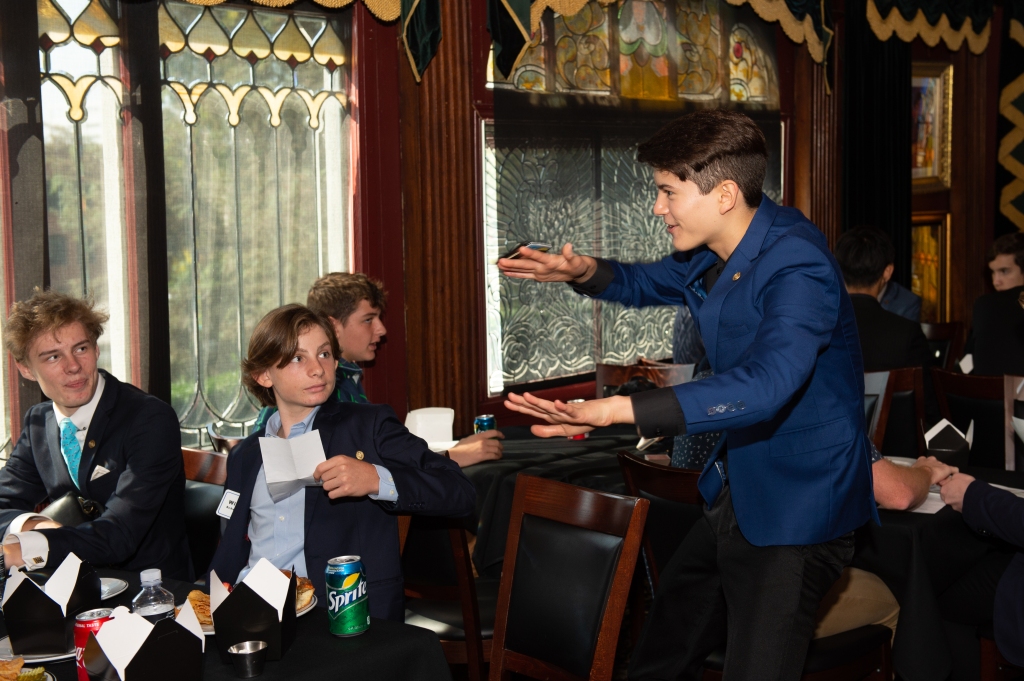


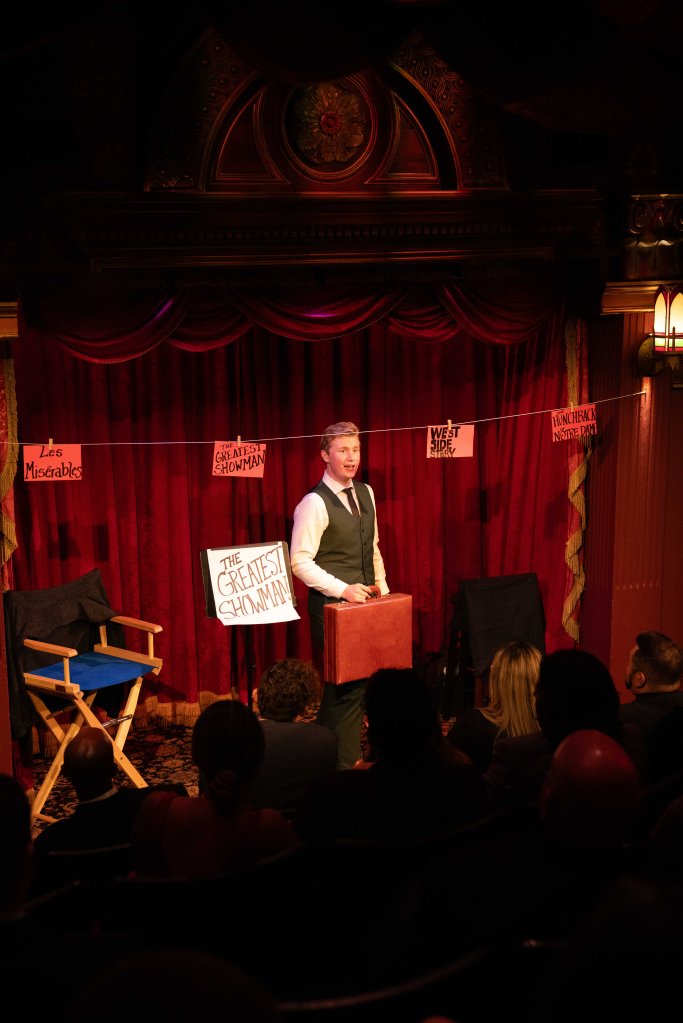

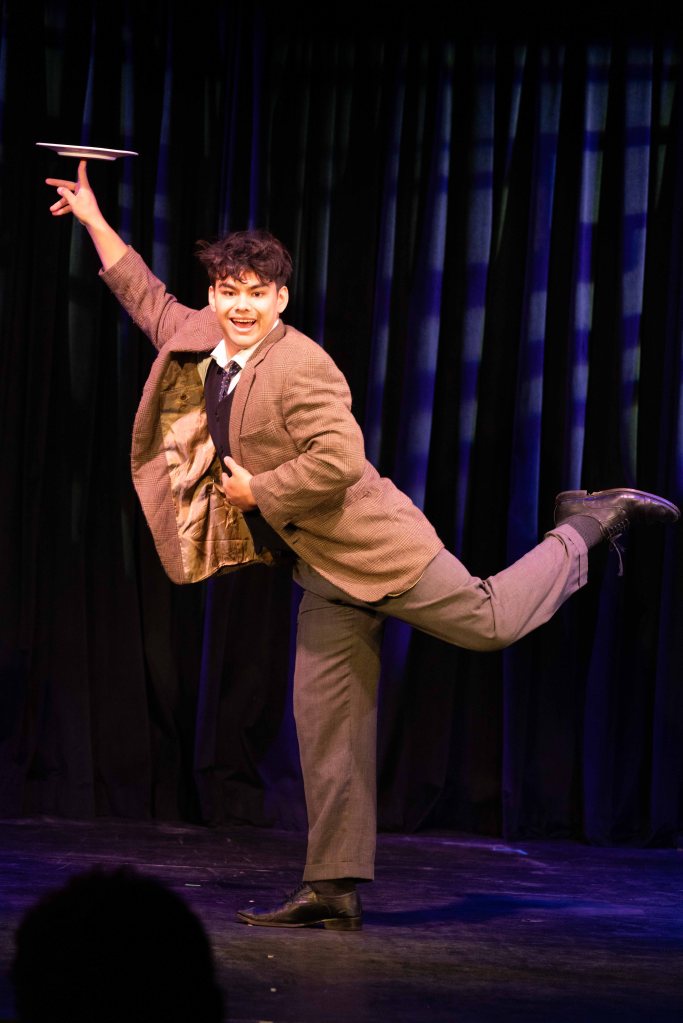
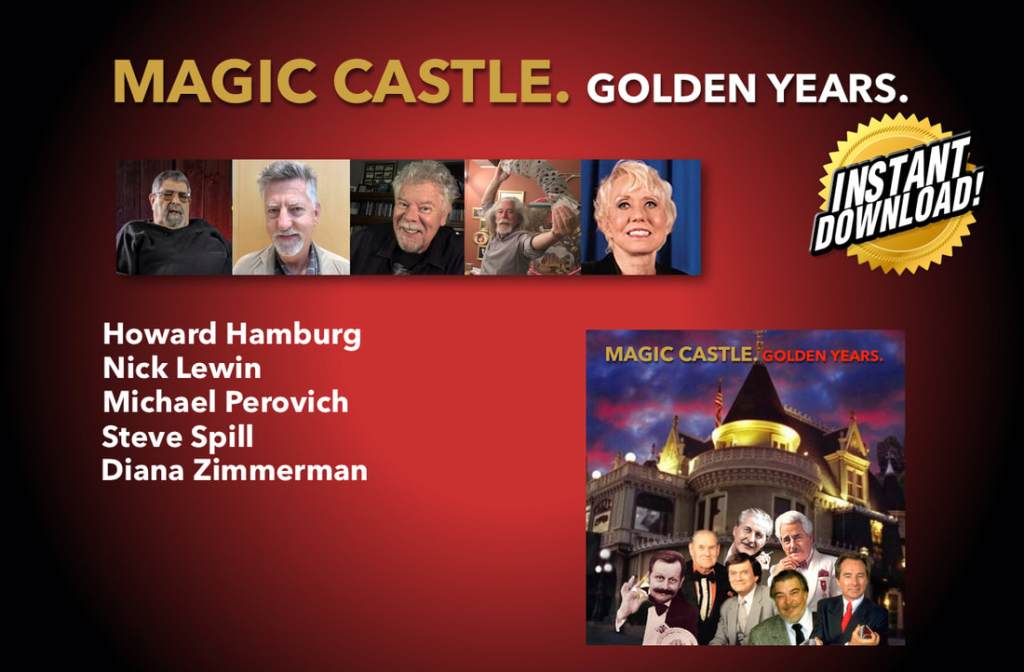


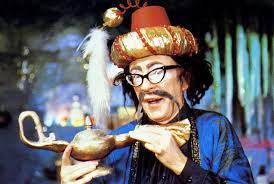













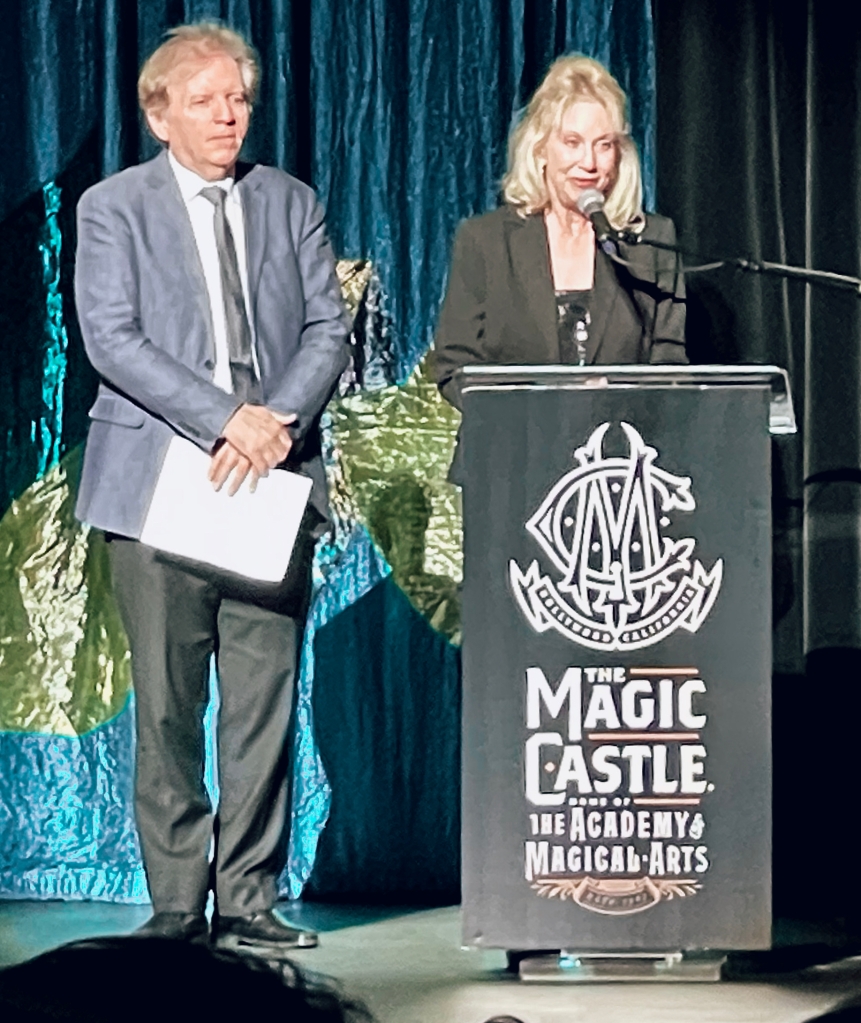

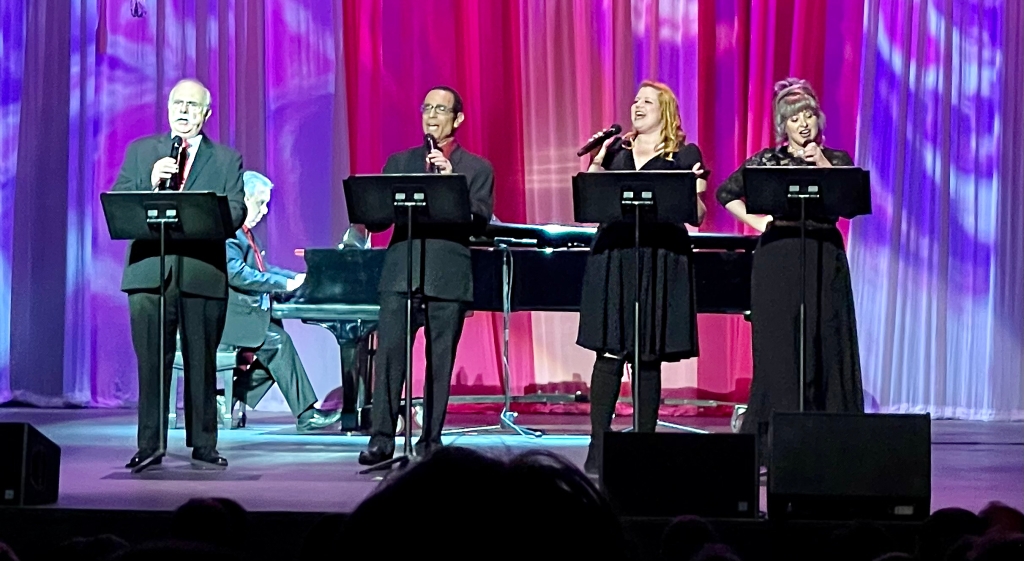


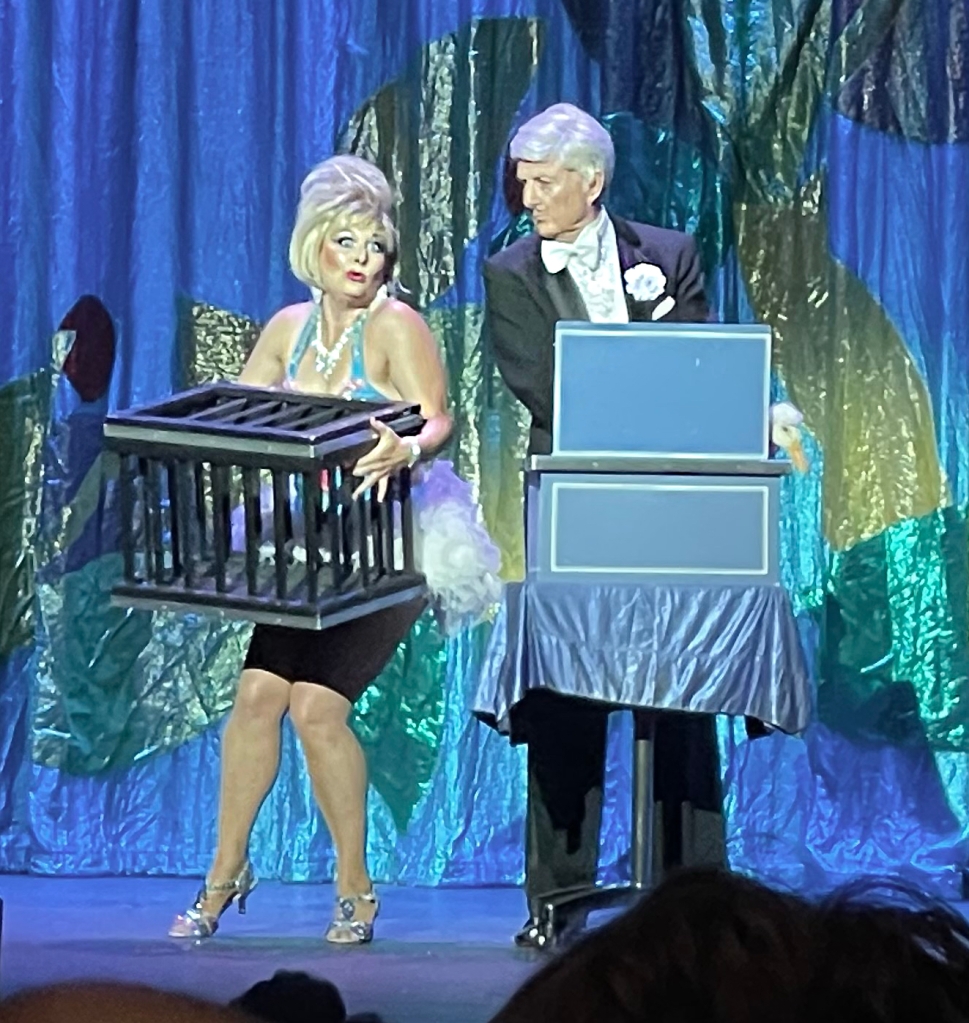
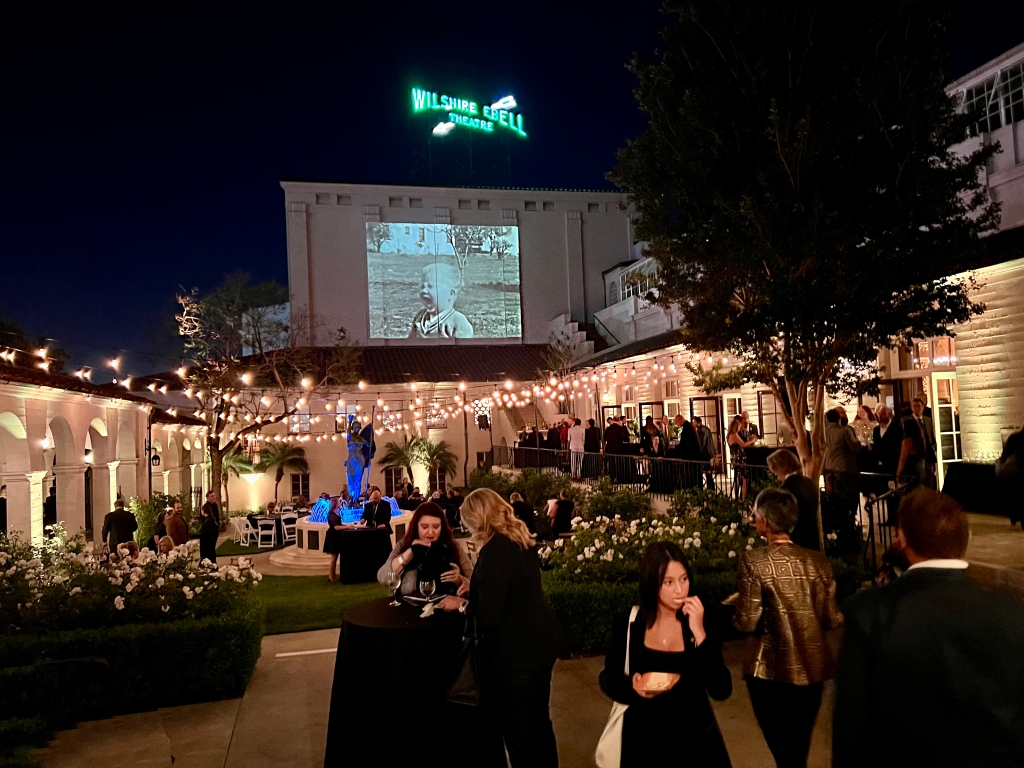












 REMARKABLE MAGIC