
Etiquette of Performing a Show in Someone’s Home.
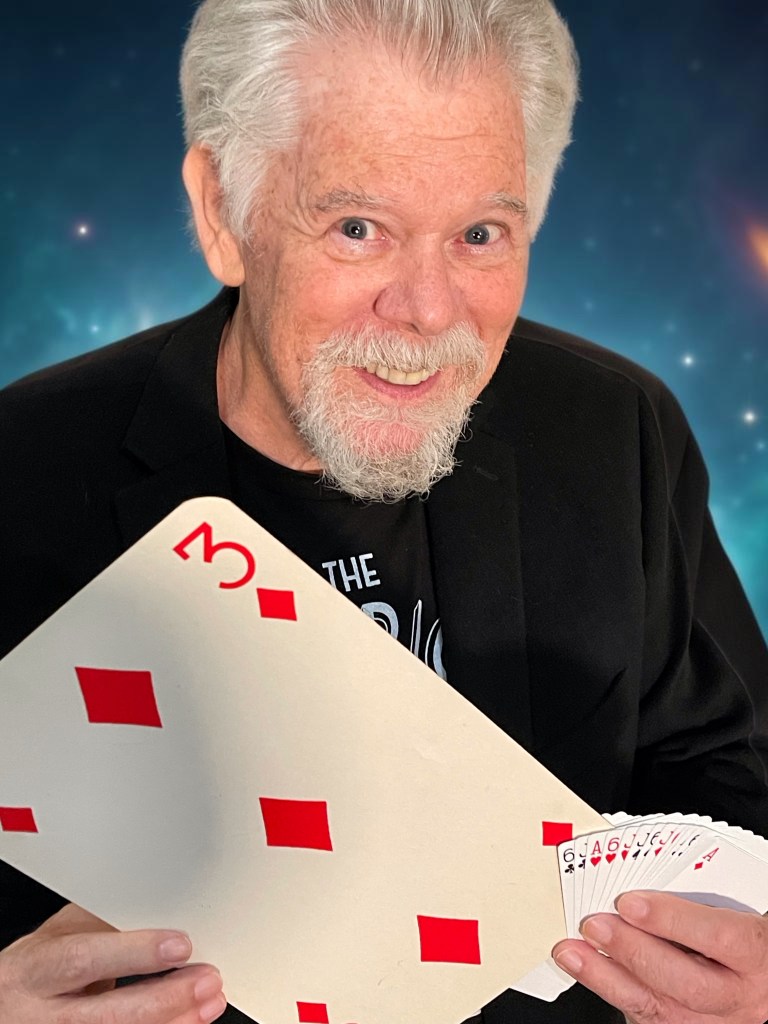
Performing a magic show in someone’s home is a unique experience that combines entertainment with intimacy. Unlike stage shows, home performances bring the magician directly into a guest’s personal space. That closeness makes etiquette even more important. A magician who respects boundaries, reads the room, and remains professional will leave a lasting, positive impression. One who doesn’t risks awkward moments, damaged property, or even social fallout. Here’s how to do it right.
1. Communicate Clearly Before the Event
Everything starts with clear communication. Once someone invites you to perform at their home, have a conversation that covers the basics:
- Time: Confirm the start time, expected duration, and when you should arrive to set up.
- Audience: Ask about the audience size, age range, and any sensitivities (e.g., cultural, religious, or personal topics to avoid).
- Space: Find out where you’ll perform — living room, backyard, basement? Ask about space, furniture arrangement, and access to power outlets if needed.
- Expectations: Are they expecting a close-up magic set, a stand-up routine, or a full mini-show? Will people be eating during your act? Will there be other entertainment?
This conversation ensures you bring the right equipment and tailor your performance to the crowd. It also shows respect for the host’s plans and sets a professional tone.
2. Arrive On Time — But Not Too Early
Punctuality matters, but showing up way too early can stress the host out. Aim to arrive 20–30 minutes before the show starts. That gives you time to greet the host, set up quietly, and get a feel for the environment. If something delays you, notify the host as soon as possible. Being late to a private event isn’t just inconvenient — it’s disrespectful.
Dress appropriately, too. The magician’s look should match the tone of the party. At a kid’s birthday, fun and colorful is fine. For a formal dinner party, go for neat and neutral. Never look sloppy or like you just rolled out of bed.
3. Respect the Home Like It’s Sacred
You’re a guest in someone’s private space. Treat it that way. Take off your shoes if everyone else is doing it. Don’t snoop, wander into rooms uninvited, or touch things that aren’t part of your setup.

Be mindful of furniture and surfaces. Don’t set props on their heirloom dining table without a cloth underneath. Don’t block walkways or doorways with your gear. If something gets knocked over or damaged,own up to it immediately and offer to make it right.
If you’re bringing assistants or helpers, make sure they follow the same standards. One person with bad manners reflects poorly on the whole team.
4. Read the Room
When the show starts, your job isn’t just to perform tricks — it’s to connect. Read the crowd. Watch their faces. Adjust your pacing and tone accordingly.
In a living room, people are often closer than in other settings. That intimacy means reactions are more visible — so is discomfort. Don’t pick on shy guests or single people out for jokes unless you’re 100% sure they’re into it. What feels like playful banter to you might embarrass someone else.
Keep the humor clean unless the host explicitly requests otherwise. Even if the adults seem open-minded, you don’t want to make off-color jokes that make someone uncomfortable — especially in their own home.
Audience participation is great, but not everyone wants to be part of the act. Ask for volunteers — don’t draft people. And when someone agrees to help, thank them, guide them clearly, and never make them feel foolish.
If kids are part of the show, take extra care to make them feel safe and successful. Magic is about wonder, not humiliation. Praising a child for doing something “magical” — even if you’re secretly doing the trick — creates a memory that sticks.
6. Don’t Overstay Your Welcome

Stick to the agreed runtime. People may be planning food, speeches, or other activities. Going long can throw everything off. Once your show ends, thank the host and make your exit smooth. Don’t linger unless you’re invited to stay.
If guests swarm you for impromptu tricks afterward, it’s fine to do a few more — but gauge the host’s vibe. If they’re cleaning up or trying to move on, wrap it up.
7. Leave the Place as You Found It
5. Include the Audience — Without Putting Them on the Spot
After your performance, pack up neatly and quickly. Check for stray cards, coins, props, or trash. Don’t leave any mess behind — even confetti or balloon scraps from a kids’ show should be cleaned up. The last thing a host wants is to find a card under the couch (or on the ceiling!) two weeks later.
If you used furniture or moved items to set up your show, put everything back where it was. And if the host offers you food or drink, accept politely or decline respectfully — don’t assume you’re entitled to anything just because you performed.
8. Follow Up.
A quick thank-you message the next day — via text or email — goes a long way. It shows appreciation and keeps the door open for future gigs or referrals. If they enjoyed the show, they might tell their friends, and that follow-up adds a layer of professionalism.
Afterthoughts
Home shows can be some of the most rewarding performances for a magician. They strip away the distance of the stage and let you create real, up-close experiences. But that same intimacy makes etiquette crucial.
You’re not just entertaining — you’re stepping into someone’s personal space. The right tone, behavior, and awareness can turn a good magic show into an unforgettable one — not just because of the tricks, but because the magician brought more than sleight of hand. They brought respect, presence, and professionalism.
That’s what people remember.
 REMARKABLE MAGIC